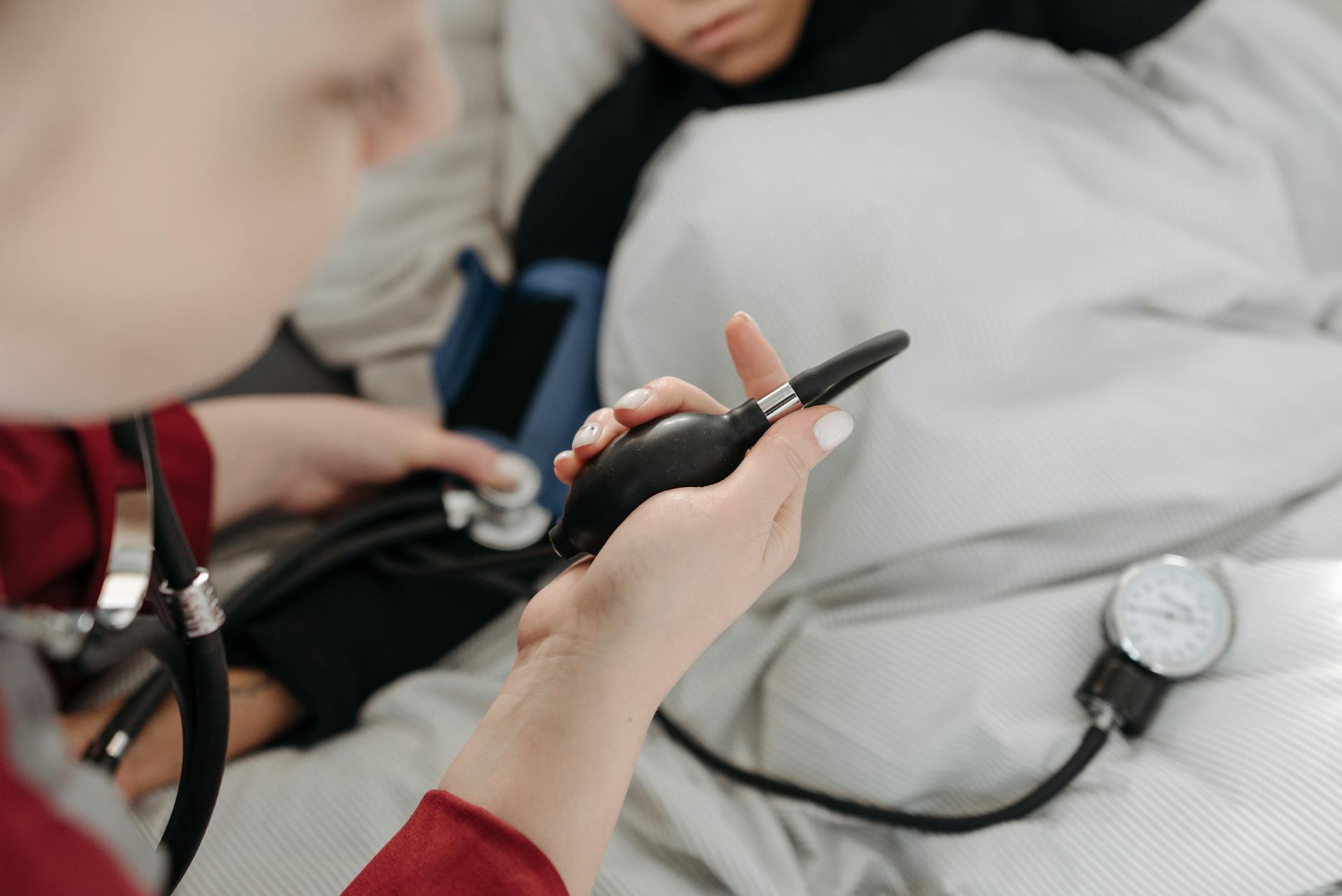
Understanding Gender Bias in Healthcare
Gender bias in healthcare refers to the systemic differences in how healthcare professionals perceive, diagnose, and treat patients based on their gender. This bias, often unconscious, can significantly impact the quality of care received, leading to delayed diagnoses, inadequate treatment, and poorer health outcomes, particularly for women and transgender individuals. Historically, medical research and practice have been male-centric, leading to a gap in understanding and addressing the health needs of diverse populations.
The Historical Roots of Gender Bias
The concept of gender bias in medicine is not new. For centuries, women's health issues were often dismissed or misunderstood. The term 'hysteria,' for instance, was widely used from ancient Egyptian and Greek medicine through the 18th and 19th centuries to describe any female behavior deemed 'irregular' or 'unfeminine.' This diagnosis was so pervasive that it contributed to the forced hospitalization of women well into the 20th century. The Diagnostic and Statistical Manual of Mental Disorders (DSM) only removed 'hysteria' as a diagnosis in 1980.
Furthermore, in the past, maternal mortality was often accepted as a natural consequence of childbirth, with little effort to explore safer birthing practices. This lack of investigation was largely due to the fact that women were legally barred from practicing medicine until the late 19th century, and even then, faced significant restrictions and harassment.
How Gender Bias Manifests in Modern Healthcare
Despite advancements, gender bias continues to affect healthcare today:
1. Dismissal of Symptoms and Pain
Studies consistently show that women's pain is often taken less seriously than men's. As of 2021, data suggests that doctors may still be less likely to believe women when they report pain. This can lead to delayed diagnosis and treatment for conditions that require prompt attention. For example, a 2015 study of over 18,000 individuals diagnosed with cancer found that women often waited longer for a diagnosis after their initial symptoms appeared compared to men.
Similarly, pelvic pain in women is sometimes dismissed as mere menstrual cramps, with over-the-counter pain relievers recommended instead of thorough investigation. This can mask serious underlying conditions like endometriosis or other gynecological issues.
2. Differences in Treatment Recommendations
Gender bias can also influence treatment plans. Research indicates that doctors are less likely to recommend timely treatment for heart disease and heart attacks in women. Instead of prescribing appropriate pain management, they might suggest therapy for women experiencing physical symptoms, a practice that reflects a historical tendency to attribute women's ailments to emotional or psychological causes.
3. Impact on Transgender and Gender Non-Conforming Individuals
Transgender and gender non-conforming individuals face unique challenges due to gender bias in healthcare. A 2021 report highlighted that 2 out of 3 transgender adults worry about negative judgments and discrimination affecting their healthcare. One in three transgender adults has had to educate their healthcare provider about transgender issues. This lack of understanding can lead to reluctance in seeking care, misdiagnosis, and inappropriate treatment.
4. Underrepresentation in Medical Research
Historically, medical research has predominantly focused on male subjects. This has led to a significant gap in understanding how diseases and treatments affect women differently. Many drugs and therapies have been developed and tested primarily on men, meaning their efficacy and side effects in women may not be fully understood.
Consequences of Gender Bias in Healthcare
The consequences of gender bias in healthcare can range from frustration and distrust in medical professionals to severe health outcomes:
- Delayed Diagnosis: Symptoms may be overlooked or dismissed, leading to conditions worsening before they are properly identified.
- Inadequate Treatment: Patients may receive less effective or inappropriate treatments based on gender stereotypes rather than their specific medical needs.
- Worsening Symptoms: Lack of timely and appropriate care can lead to the progression of diseases and increased suffering.
- Increased Mortality: In critical situations, gender bias can contribute to preventable deaths.
- Erosion of Trust: Patients who experience bias may become hesitant to seek medical help in the future, creating a cycle of poor health.
What Can Be Done to Address Gender Bias?
Addressing gender bias requires a multi-faceted approach involving healthcare providers, institutions, and patients:
For Healthcare Providers:
- Education and Training: Implement ongoing training on unconscious bias, gender-specific health issues, and cultural competency, especially concerning LGBTQ+ individuals.
- Active Listening: Practice empathetic and attentive listening to all patients, validating their experiences and concerns without judgment.
- Evidence-Based Practice: Rely on current medical research and guidelines, ensuring that treatment decisions are not influenced by gender stereotypes.
- Diverse Research: Encourage and participate in medical research that includes diverse populations, ensuring findings are applicable to all genders.
For Patients:
- Be Informed: Understand common health issues and how they might present differently based on gender.
- Advocate for Yourself: Do not hesitate to ask questions, seek second opinions, and clearly articulate your symptoms and concerns. If you feel your concerns are not being heard, ask for a referral to a specialist.
- Choose Providers Wisely: Research healthcare providers and practices that demonstrate a commitment to diversity and inclusive care.
- Share Your Experience: Provide feedback to healthcare institutions about your experiences, both positive and negative.
For Healthcare Institutions:
- Implement Policies: Develop and enforce clear policies against discrimination and bias.
- Promote Diversity: Foster a diverse workforce that reflects the patient population.
- Patient Feedback Mechanisms: Establish robust systems for collecting and acting on patient feedback regarding bias.
When to Consult a Doctor
It is crucial to consult a doctor for any persistent or concerning health symptoms, regardless of gender. Pay attention to the following:
- Unexplained pain, especially if severe or persistent.
- Changes in bodily functions or sensations that are unusual for you.
- Concerns about reproductive health, hormonal changes, or mental well-being.
- Symptoms that seem to be worsening or not improving with self-care.
- Any health issue that causes you significant distress or impacts your daily life.
If you feel your concerns are not being adequately addressed, do not hesitate to seek a second opinion or consult a specialist.
Mental Health Support Resources
Experiencing bias or dealing with health issues can be stressful. If you or someone you know needs support, consider these resources:
- Crisis Text Line: Text HOME to 741-741 to connect with a crisis counselor.
- National Suicide Prevention Lifeline: Call or text 988 (in the US) or call 1-800-273-8255 to reach a trained counselor.
Frequently Asked Questions (FAQ)
Q1: Is gender bias in healthcare only a problem for women?
A1: While women have historically been and continue to be significantly affected by gender bias in healthcare, transgender and gender non-conforming individuals also face unique challenges and discrimination. Men can also experience gendered expectations that affect their healthcare, though it is less documented than bias against women.
Q2: How can I ensure my doctor takes my symptoms seriously?
A2: Be prepared for your appointment. Write down your symptoms, when they started, what makes them better or worse, and any questions you have. Be clear and concise when describing your pain or discomfort. If you feel unheard, calmly state that you need further investigation or a referral to a specialist. Bringing a trusted friend or family member to your appointment can also be helpful.
Q3: What is the difference between gender bias and sex bias in medicine?
A3: Sex refers to biological differences (e.g., chromosomes, hormones, anatomy), while gender refers to socially constructed roles, behaviors, expressions, and identities. Sex bias in medicine occurs when biological differences are not adequately considered in research or treatment (e.g., assuming all people with a certain condition present the same symptoms regardless of biological sex). Gender bias occurs when social expectations and stereotypes associated with gender influence healthcare decisions and interactions.
Q4: Can gender bias in healthcare affect men?
A4: Yes. While less common than bias against women, men can face gendered expectations that impact their health. For example, societal pressure for men to be stoic might discourage them from seeking medical help for pain or emotional distress. Some conditions may also be under-researched in men due to a focus on women's health issues.
Q5: What can I do if I suspect I've experienced gender bias in my healthcare?
A5: You can report your experience to the healthcare facility's patient advocacy or patient relations department. You can also provide feedback through surveys or online reviews. In some cases, if the bias led to significant harm, you may consider seeking legal advice. Sharing your experience can help raise awareness and drive change.
Additional Medical Guidance
This section adds practical context and preventive advice to help readers make informed healthcare decisions. It is important to verify symptoms early, consult qualified doctors, and avoid self-medication for persistent health issues.
Maintaining healthy routines, following prescribed treatment plans, and attending regular checkups can improve outcomes. If symptoms worsen or red-flag signs appear, immediate medical evaluation is recommended.
Quick Checklist
Track symptoms and duration.
Follow diagnosis and treatment from a licensed practitioner.
Review medication side effects with your doctor.
Seek urgent care for severe warning signs.