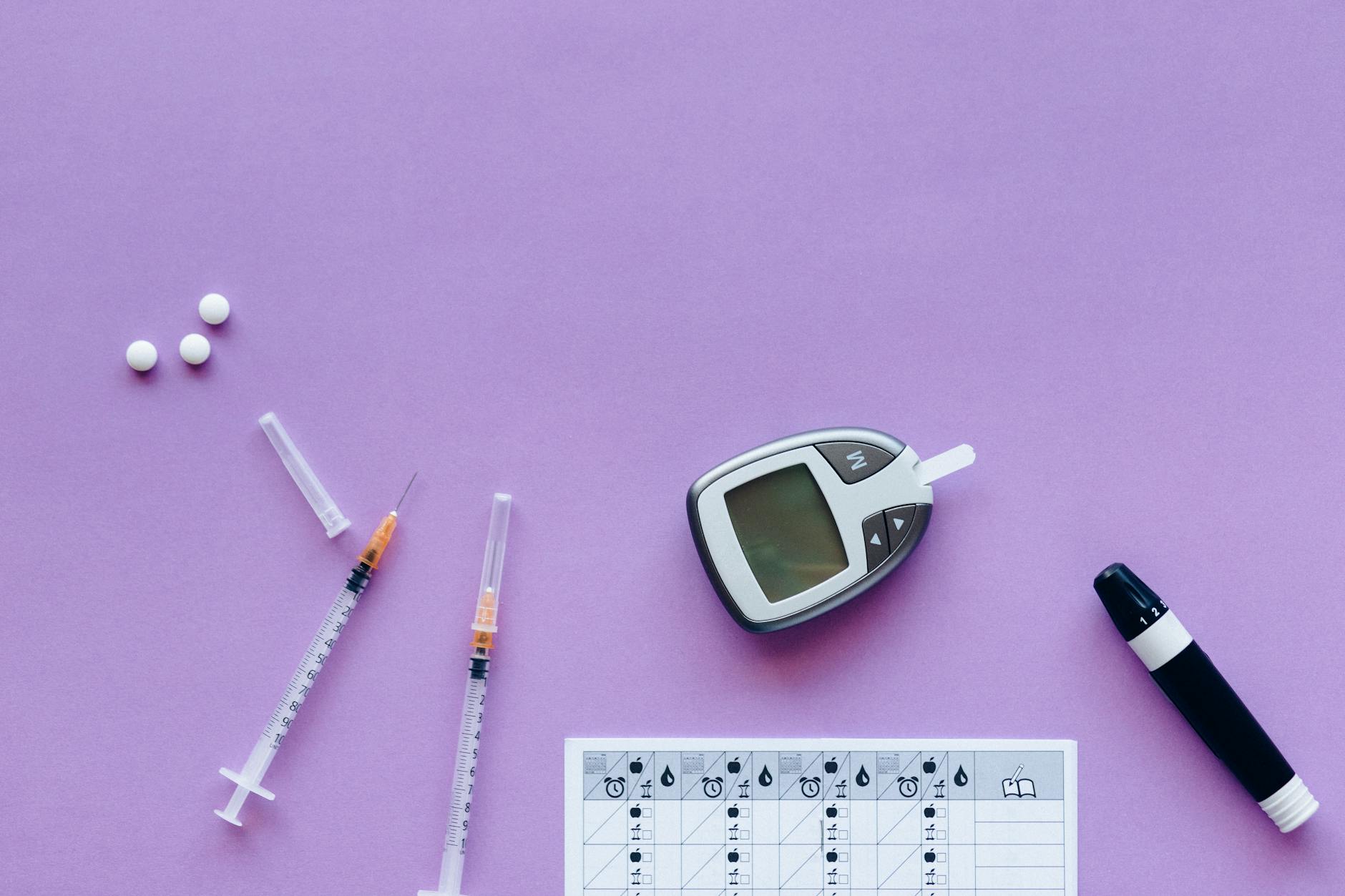
Understanding Gestational Diabetes and Stillbirth Risk Stillbirth, a heartbreaking event where a baby passes away in the womb at or after 20 weeks of pregnancy, is a concern for expectant mothers. While it is a rare occurrence, affecting approximately 1 in every 160 deliveries in the United States, understanding its potential risk factors is crucial. One such factor that has been a subject of discussion is Gestational Diabetes Mellitus (GDM), a type of diabetes that develops during pregnancy. This blog post aims to clarify the relationship between GDM and stillbirth, focusing on the risks, diagnosis, management, and prevention strategies, particularly for readers in India. What is Gestational Diabetes Mellitus (GDM)? Gestational diabetes is a condition where a pregnant woman, who did not have diabetes before pregnancy, develops high blood sugar levels. This typically occurs in the second or third trimester. During pregnancy, the placenta produces hormones that help the baby grow. However, these hormones can also block the action of the mother's insulin, leading to elevated blood sugar levels. If the mother's pancreas cannot produce enough insulin to overcome this blockage, GDM develops. What is Stillbirth? Stillbirth is defined as the death of a baby before or during birth, after 20 weeks of gestation. It's a devastating outcome for families, and understanding its causes is vital for prevention efforts. The causes of stillbirth are varied and can include placental problems, genetic abnormalities, infections, umbilical cord issues, and maternal health conditions. The Link Between Gestational Diabetes and Stillbirth The question of whether gestational diabetes increases the risk of stillbirth has been explored in numerous studies, with some producing conflicting results. Historically, pre-existing diabetes in pregnancy has been associated with a higher risk of stillbirth. However, the link between GDM specifically and stillbirth is more nuanced. Conflicting Research Findings Some older studies and those defining stillbirth after 28 weeks of gestation suggested an elevated risk of stillbirth in individuals with GDM. However, more recent analyses, including a 2021 review of scientific literature, have found no significant increase in the overall incidence of stillbirth in people with GDM. This discrepancy might be due to several factors: The rarity of stillbirth itself makes it challenging to establish definitive links. Changes in how GDM is diagnosed and managed over time. Overlap in risk factors for both GDM and stillbirth. How Uncontrolled GDM Can Pose Risks While well-managed GDM may not significantly increase stillbirth risk, uncontrolled high blood sugar levels can pose dangers to both the mother and the baby. Persistently high blood sugar can lead to: Placental Abnormalities: High glucose levels can affect the placenta's function, impairing its ability to deliver essential nutrients and oxygen to the growing fetus. Fetal Distress: Babies affected by uncontrolled GDM may be more likely to experience fetal distress, a condition where the baby is not getting enough oxygen. Macrosomia: GDM can lead to excessive fetal growth (macrosomia), which can complicate labor and delivery and increase the risk of birth injuries. Diagnosis of Gestational Diabetes Early and accurate diagnosis of GDM is paramount. In India, as in many other countries, screening for GDM is a routine part of prenatal care. Typically, a doctor will recommend screening between 24 and 28 weeks of gestation. This usually involves an oral glucose tolerance test (OGTT). The Oral Glucose Tolerance Test (OGTT) The OGTT involves: Fasting overnight. Drinking a sugary solution. Having your blood sugar level tested at specific intervals (e.g., one hour, two hours, and sometimes three hours later). Your doctor will interpret the results based on established diagnostic criteria to determine if you have GDM. Management and Treatment of Gestational Diabetes The primary goal of GDM management is to keep blood sugar levels within a safe range to protect the health of both mother and baby. Fortunately, in about 70% of cases, GDM can be effectively managed through lifestyle modifications. Dietary Changes A balanced, healthy diet is the cornerstone of GDM management. This involves: Focusing on whole grains, lean proteins, fruits, and vegetables. Limiting intake of refined carbohydrates, sugary drinks, and processed foods. Distributing carbohydrate intake throughout the day to avoid blood sugar spikes. Working with a registered dietitian or nutritionist can be highly beneficial. Regular Exercise Moderate physical activity, as approved by your doctor, can help improve insulin sensitivity and lower blood sugar levels. Recommended exercises often include: Walking Prenatal yoga Swimming It's essential to consult your doctor before starting or continuing any exercise routine during pregnancy. Medications (If Necessary) If diet and exercise alone are not sufficient to control blood sugar levels, your doctor may prescribe medication. This can include: Oral Medications: Certain oral medications, like metformin, are sometimes used to manage GDM. Insulin Therapy: In some cases, insulin injections may be necessary to regulate blood sugar effectively. Your healthcare provider will determine the most appropriate treatment plan for your individual needs. Delivery and Post-Pregnancy Care For individuals with well-managed GDM, doctors often plan for a full-term delivery, typically at or after 39 weeks of pregnancy. However, if GDM is difficult to manage even with medication, an earlier induction of labor might be recommended to mitigate risks. Resolving GDM In the majority of cases, gestational diabetes resolves spontaneously after delivery. However, having GDM does increase your risk of developing type 2 diabetes later in life. Therefore, follow-up care is crucial. Postpartum Screening After delivery, your doctor will likely recommend rescreening for type 2 diabetes between 4 to 12 weeks postpartum.
In summary, timely diagnosis, evidence-based treatment, and prevention-focused care improve long-term health outcomes.