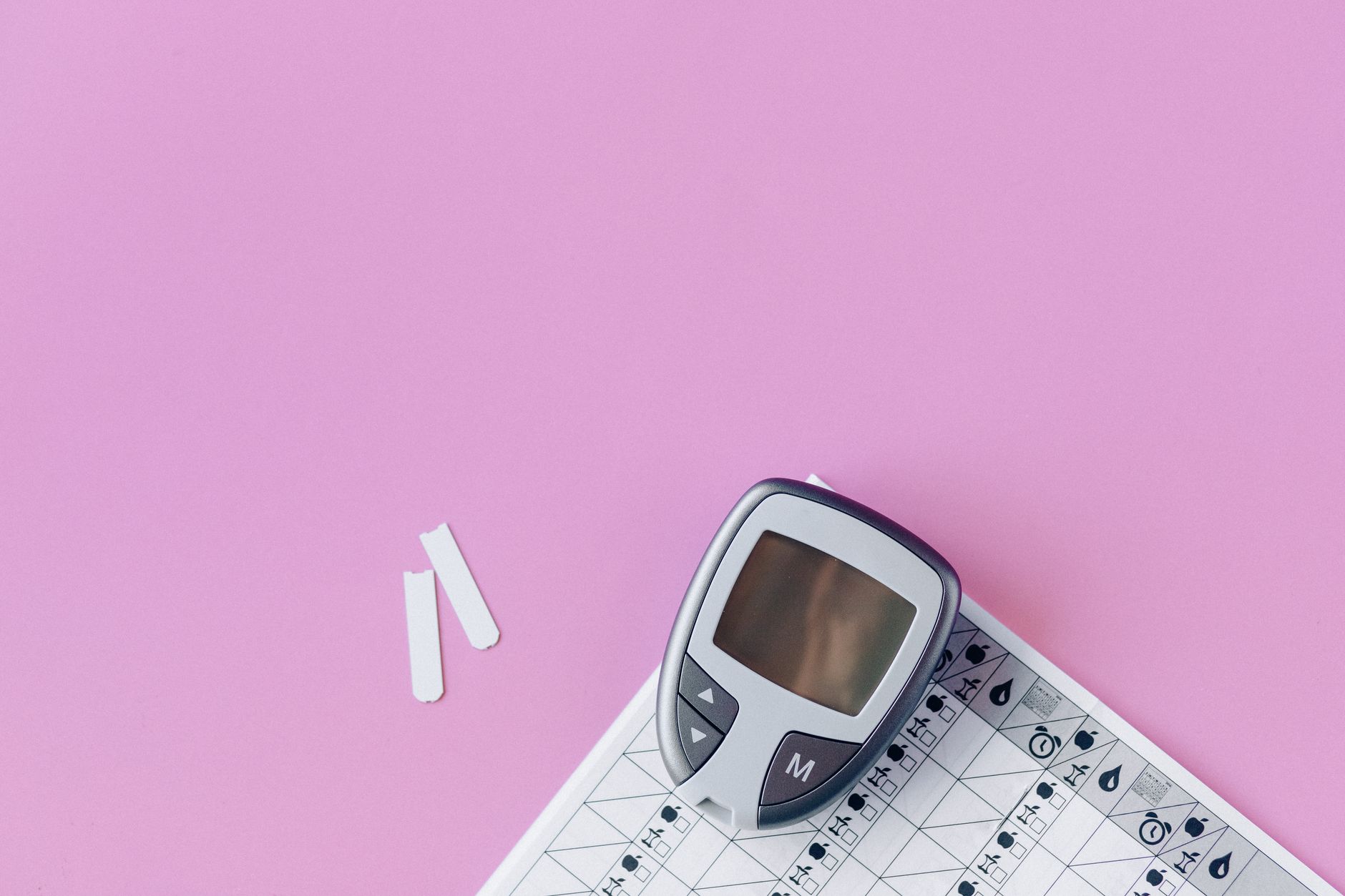
Understanding Gestational Diabetes and High-Risk Pregnancies Pregnancy is a transformative journey, but for some, it comes with added complexities. One such condition is gestational diabetes, a type of diabetes that develops during pregnancy. It's crucial to understand that gestational diabetes can indeed elevate the risk associated with your pregnancy, potentially classifying it as a 'high-risk' pregnancy. This means that both your health and your baby's health may require more careful monitoring and specialized care than in a typical pregnancy. While the term 'high-risk' might sound alarming, it's important to view it as a proactive measure to ensure the best possible outcomes for you and your little one. What is Gestational Diabetes? Gestational diabetes mellitus (GDM) is a condition characterized by high blood sugar (glucose) levels that are first detected during pregnancy. During pregnancy, the body's hormonal changes and increased demand for nutrients can sometimes interfere with the way insulin works, a condition known as insulin resistance. Normally, the pancreas produces more insulin to compensate for this resistance. However, if the pancreas cannot produce enough insulin to overcome the resistance, blood sugar levels rise, leading to gestational diabetes. Why Does Gestational Diabetes Make a Pregnancy High Risk? A high-risk pregnancy is defined as one that poses greater than usual risks to the health of the mother or the baby. Gestational diabetes is a significant factor that can contribute to a pregnancy being classified as high-risk. This classification is not meant to cause undue stress but rather to ensure that you receive the necessary attention and medical interventions to manage the condition effectively and prevent potential complications. Working closely with your healthcare provider is paramount in navigating a high-risk pregnancy. Symptoms of Gestational Diabetes One of the challenging aspects of gestational diabetes is that it often presents with no noticeable symptoms. Many women do not feel any different when they develop GDM. This is why routine screening is so important. However, in some cases, symptoms might include: Increased thirst Frequent urination Fatigue Blurred vision Increased hunger Recurrent infections, such as bladder or vaginal infections It's vital to remember that these symptoms can also be common during pregnancy, so a definitive diagnosis can only be made through medical testing. Screening and Diagnosis Healthcare professionals typically screen for gestational diabetes between 24 and 28 weeks of pregnancy. If you have specific risk factors, such as a previous diagnosis of gestational diabetes, a family history of diabetes, being overweight, or belonging to certain ethnic groups, your doctor may recommend screening earlier, around 20 weeks of gestation. The screening process usually involves a glucose challenge test (GCT), where you drink a sugary liquid, and your blood sugar is tested an hour later. If this test indicates high blood sugar levels, a glucose tolerance test (GTT) will be recommended for a more definitive diagnosis. The GTT involves fasting overnight, followed by a fasting blood draw, drinking a sugary liquid, and then having blood drawn at intervals over two to three hours. Potential Complications of Gestational Diabetes If left unmanaged, gestational diabetes can lead to several complications for both mother and baby: Complications for the Baby: Macrosomia (Excessive Birth Weight): High blood sugar levels in the mother can pass to the baby, leading to excessive growth. This can result in a larger baby, increasing the risk of birth injuries during vaginal delivery (like shoulder dystocia) and often necessitating a cesarean section. Hypoglycemia (Low Blood Sugar): After birth, the baby's body may continue to produce high levels of insulin in response to the high glucose levels from the mother. This can cause the baby's blood sugar to drop dangerously low shortly after birth. Breathing Problems: Babies born to mothers with gestational diabetes may have underdeveloped lungs, leading to respiratory distress syndrome. Jaundice: This is a common condition in newborns, but it can be more severe in babies born to mothers with GDM. Increased risk of obesity and type 2 diabetes later in life: Babies born to mothers with GDM have a higher predisposition to developing obesity and type 2 diabetes as they grow older. Complications for the Mother: Preeclampsia: This is a serious condition characterized by high blood pressure and signs of damage to other organ systems, often including the kidneys and liver. Increased risk of Cesarean Delivery: Due to the potential for a larger baby or other complications, a C-section may be recommended or become necessary. Polyhydramnios: This is a condition where there is too much amniotic fluid around the baby, which can cause discomfort and potentially lead to premature labor. Increased risk of developing Type 2 Diabetes: Approximately 50% of women who have had gestational diabetes will develop type 2 diabetes later in life. Management and Treatment of Gestational Diabetes The primary goal of managing gestational diabetes is to keep blood sugar levels within a healthy range. Fortunately, in many cases, this can be achieved through lifestyle modifications: Dietary Changes: This is often the first line of treatment. A registered dietitian can help create a personalized meal plan that focuses on balanced nutrition, controlling carbohydrate intake, and choosing complex carbohydrates over simple sugars. Emphasis is placed on whole grains, lean proteins, healthy fats, and plenty of fruits and vegetables. Regular meal timing and portion control are also key. Regular Exercise: Physical activity helps your body use insulin more effectively and lowers blood sugar levels. Your doctor will advise on safe exercises suitable for pregnancy, such as walking,
In summary, timely diagnosis, evidence-based treatment, and prevention-focused care improve long-term health outcomes.