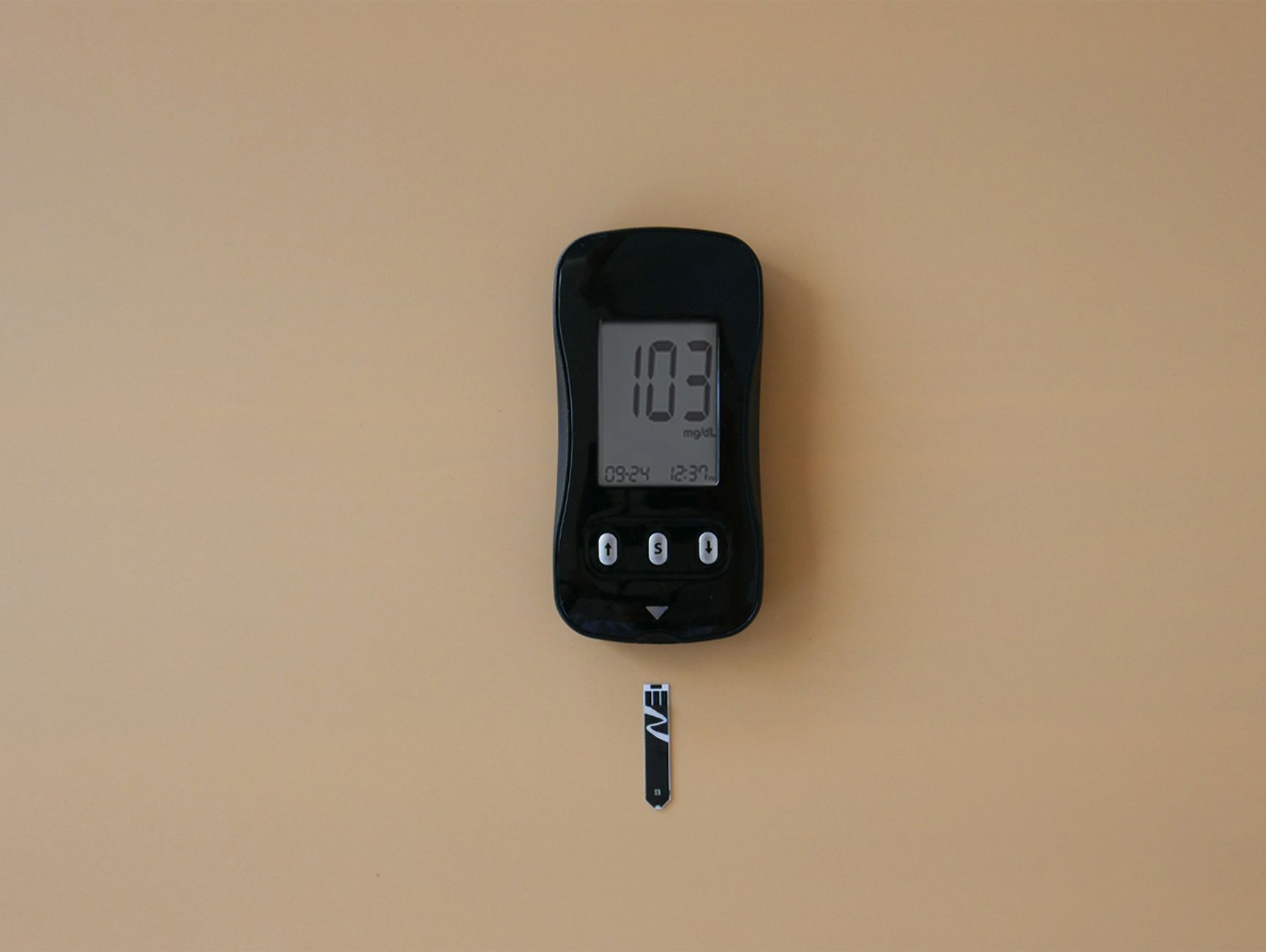
Understanding Gestational Diabetes: A Guide for Expectant Mothers in India Gestational diabetes mellitus (GDM) is a condition that affects some women during pregnancy. It is characterized by high blood sugar (glucose) levels. While it can be concerning, it's important to know that GDM is manageable, and with proper care, both mother and baby can remain healthy. This guide provides comprehensive information tailored for Indian readers, covering everything from symptoms and causes to diagnosis, treatment, and prevention. What is Gestational Diabetes? During pregnancy, the placenta produces hormones that help the baby grow. These hormones can sometimes block the action of the mother's insulin, leading to higher blood sugar levels. This is known as gestational diabetes. It typically develops in the second or third trimester and usually disappears after the baby is born. However, it increases the risk of developing type 2 diabetes later in life for both the mother and the child. Who is at Risk? While any pregnant woman can develop GDM, certain factors increase the risk: Being overweight or obese before pregnancy. Having a family history of diabetes (especially type 2). Being over 25 years of age. Having had gestational diabetes in a previous pregnancy. Giving birth to a large baby (over 4 kg or 9 pounds) in a previous pregnancy. Certain ethnicities, including South Asian, African American, Hispanic/Latina, Native American, and Pacific Islander backgrounds, have a higher prevalence. Symptoms of Gestational Diabetes Often, gestational diabetes has no noticeable symptoms. It is usually detected through routine screening tests during pregnancy. However, some women might experience: Increased thirst Frequent urination Fatigue Blurred vision Increased hunger Recurrent infections, such as urinary tract infections or yeast infections. If you experience any of these symptoms, it's crucial to consult your doctor. Diagnosis of Gestational Diabetes Doctors typically screen for GDM between the 24th and 28th week of pregnancy. The standard diagnostic process involves two steps: Glucose Challenge Test (GCT): You'll drink a sugary liquid, and your blood sugar level will be tested one hour later. If the result is above a certain threshold (usually below 140 mg/dL), you'll need further testing. Oral Glucose Tolerance Test (OGTT): This is a longer test. You'll fast overnight, then have your fasting blood sugar measured. After drinking a different, more concentrated glucose solution, your blood sugar will be tested every hour for two to three hours. If two or more of these readings are high, you are diagnosed with gestational diabetes. Target Blood Sugar Levels During Pregnancy Maintaining blood sugar levels within a target range is crucial for a healthy pregnancy. The recommended targets are: Before a meal: 95 mg/dL or less One hour after a meal: 140 mg/dL or less Two hours after a meal: 120 mg/dL or less Your doctor will help you understand these targets and monitor your levels regularly. Managing Gestational Diabetes: Treatment Options The primary goal of treatment is to keep blood sugar levels within the target range to prevent complications. Management typically involves a combination of lifestyle changes and, if necessary, medication. 1. Diet and Nutrition Dietary modifications are the cornerstone of GDM management. A balanced diet focusing on complex carbohydrates, lean proteins, and healthy fats is recommended. It's advisable to: Eat smaller, more frequent meals throughout the day. Choose whole grains, fruits, vegetables, and lean protein sources. Limit sugary drinks, processed foods, and refined carbohydrates. Work with a registered dietitian or nutritionist to create a personalized meal plan. 2. Physical Activity Regular, moderate exercise can help improve insulin sensitivity and lower blood sugar levels. Safe exercises during pregnancy include: Walking Swimming Prenatal yoga Always consult your doctor before starting or continuing any exercise program. 3. Blood Sugar Monitoring Regular self-monitoring of blood glucose levels using a glucometer is essential. Your doctor will instruct you on how often and when to check your blood sugar. 4. Medications If lifestyle changes are not enough to control blood sugar levels, medication may be prescribed. The primary treatment options are: Insulin: This is often considered the first-line medical treatment for GDM. It is administered via injections and is generally considered safe for both mother and baby. Pregnant individuals will be taught how to administer insulin injections themselves. Oral Medications: In some cases, oral medications like metformin or glyburide may be considered. While they are easier to take than injections, insulin remains the preferred first-line medical treatment according to major guidelines. Your doctor will discuss the risks and benefits of all medication options. Potential Complications If left unmanaged, GDM can lead to complications such as: High blood pressure and preeclampsia in the mother. Macrosomia (baby being too large), which can lead to birth injuries or the need for a C-section. Premature birth. Hypoglycemia (low blood sugar) in the newborn. Increased risk of the baby developing obesity and type 2 diabetes later in life. Increased risk of the mother developing type 2 diabetes later in life. Prevention of Gestational Diabetes While not all cases can be prevented, maintaining a healthy weight before and during pregnancy, eating a balanced diet, and staying physically active can significantly reduce the risk. Post-Pregnancy Care After delivery, blood sugar levels usually return to normal. However, it's vital to continue regular diabetes screening throughout your life, as women who have had GDM have a higher risk of developing type 2 diabetes. Your doctor will advise you on the recommended screening schedule. When to Consult a Doctor It is essential to consult your
In summary, timely diagnosis, evidence-based treatment, and prevention-focused care improve long-term health outcomes.