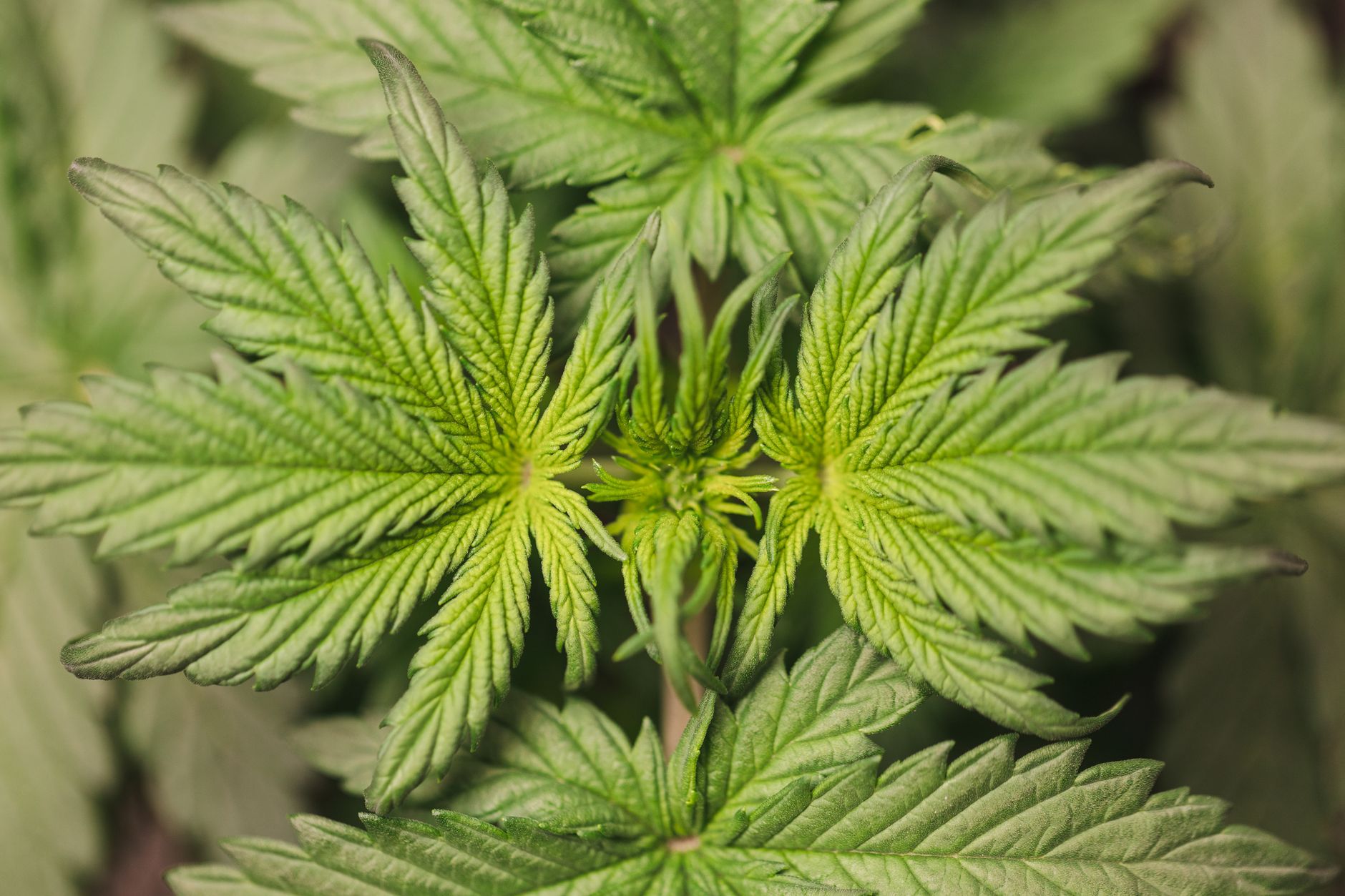
In recent years, you’ve probably heard a lot about both hemp and marijuana. They’re often discussed in the same breath, but are they really the same thing? It’s a common point of confusion, and understanding the difference is important, especially with changing laws and the growing popularity of products derived from these plants. Let’s break down what makes hemp and marijuana distinct, focusing on what matters most to you as a reader.
The Science Says: One Plant, Two Names
From a scientific standpoint, there’s no real difference between hemp and marijuana. Both are varieties of the same plant species: Cannabis sativa L. Think of it like dogs – a Great Dane and a Chihuahua are very different in appearance and temperament, but they are both still dogs. Similarly, hemp and marijuana are both cannabis, but they are cultivated and regulated differently, leading to vastly different uses and legal statuses.
The Legal Distinction: THC is the Magic Number
The primary way the law differentiates between hemp and marijuana is by its content of tetrahydrocannabinol, or THC. THC is the compound in cannabis that causes the intoxicating “high” effect.
What is Hemp Legally?
Hemp is legally defined as cannabis that contains 0.3% or less THC by dry weight. This specific threshold was first proposed decades ago and has been adopted into law, most notably in the United States through the 2018 Farm Bill. This means that even if a plant looks like marijuana, if its THC content is below this legal limit, it's classified as hemp.
What is Marijuana Legally?
Conversely, marijuana refers to cannabis that contains more than 0.3% THC by dry weight. These plants are typically grown for their psychoactive properties and are subject to different regulations depending on the region.
A Quick History: The Word 'Marijuana'
The word 'marijuana' itself has a complex and somewhat troubling history. It gained prominence in the United States in the early to mid-20th century. During a period of anti-immigrant sentiment, particularly against Mexican immigrants, the term 'marijuana' was used in propaganda campaigns to associate cannabis use with this group. This tactic helped fuel the prohibition of cannabis. Because of these racist origins, many people in the cannabis industry today prefer to use the term 'cannabis' to avoid perpetuating this history, while still acknowledging the legal distinction based on THC content.
What Can You Make from Hemp?
Because hemp has a very low THC content, it doesn't produce the intoxicating effects associated with marijuana. Instead, it's valued for its industrial and nutritional properties. Here's what hemp is used for:
- CBD Products: Cannabidiol (CBD) is another compound found in cannabis. Hemp is a legal source for CBD products, which are popular for their potential wellness benefits without the high. These products include oils, tinctures, edibles, and topicals.
- Food and Nutrition: Hemp seeds and hemp hearts are packed with protein, healthy fats, and essential nutrients. They are used in a variety of foods, from smoothies and salads to baked goods.
- Textiles: Hemp fibers are strong and durable, making them excellent for producing clothing, ropes, and other fabrics.
- Building Materials: Hemp can be processed into materials like hempcrete, a sustainable alternative for construction.
- Paper: Historically, hemp has been used to make paper.
- Bioplastics and Fuels: Research is ongoing into using hemp for more sustainable industrial applications.
What About Marijuana?
Marijuana, with its higher THC content, is primarily cultivated for recreational and medicinal purposes. Its use is regulated differently across states and countries. Medicinal marijuana is used to help manage symptoms of various conditions, while recreational marijuana is used for its psychoactive effects.
The Legal Landscape: A Patchwork of Rules
The legality of cannabis products is a constantly evolving area. In the United States, the 2018 Farm Bill legalized the cultivation of hemp (cannabis with less than 0.3% THC) nationwide. This also made hemp-derived CBD products federally legal. However, cannabis containing more than 0.3% THC (marijuana) is still not federally legal, and state laws vary widely. Some states have legalized it for medical and/or recreational use, while others have not.
Scenario: Imagine you're at a local market and see 'CBD oil' on display. You're curious about its benefits for sleep. You check the label and see it's derived from hemp and clearly states 'less than 0.3% THC'. You feel more confident knowing it's legally sourced and won't cause intoxication, allowing you to explore its potential wellness advantages without concern.
When to Consult a Doctor
If you are considering using CBD products, especially for a specific health condition, it's always a good idea to talk to your doctor. They can provide personalized advice based on your health history and any medications you might be taking.
Key Takeaways for You:
- Legally, the difference is THC content: Hemp has less than 0.3% THC; marijuana has more.
- Scientifically, they are the same species: Both are Cannabis sativa L.
- Uses differ: Hemp is for industrial, nutritional, and CBD products; marijuana is for psychoactive effects (recreational/medicinal).
- Laws are changing: Always be aware of the regulations in your specific location.
Understanding these distinctions empowers you to make informed choices about the products you use and navigate the evolving world of cannabis responsibly.
What This Means In Daily Life
Most people do not notice early warning signs right away. That is common. A simple symptom diary, basic routine checks, and timely follow-up visits can prevent small problems from becoming serious.
If you are already on treatment, stay consistent with medicines and lifestyle advice. If your symptoms change, do not guess. Check with a qualified doctor and update your plan early.
Simple Action Plan
Write down symptoms, triggers, and timing for a few days.
Carry old prescriptions and test reports to your consultation.
Ask clearly about side effects, red-flag signs, and follow-up dates.
Seek urgent care for severe pain, breathing trouble, bleeding, fainting, or sudden worsening.