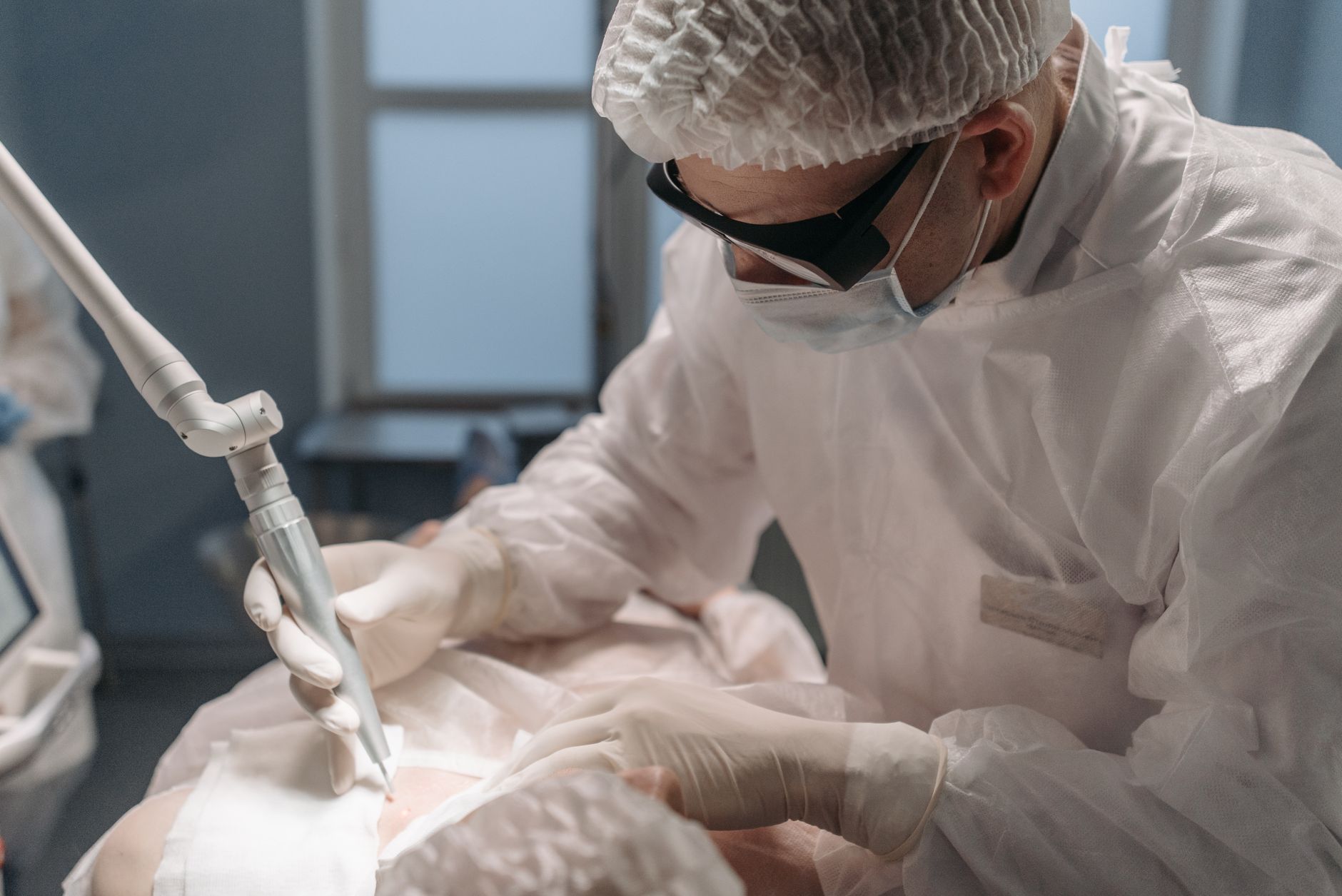
Understanding Hidradenitis Suppurativa (HS) Hidradenitis Suppurativa (HS) is a chronic and often painful skin condition that affects millions worldwide. It is characterized by the formation of painful lumps, boils, or abscesses, typically in areas where sweat glands are concentrated, such as the armpits, groin, buttocks, and under the breasts. These lesions can be deeply uncomfortable, lead to significant scarring, and severely impact a person's quality of life. HS is not contagious, but its persistent nature and the discomfort it causes can lead to emotional distress, social isolation, and difficulties in daily activities. How Does HS Develop? The exact cause of HS is not fully understood, but it is believed to involve a combination of genetic, hormonal, and immune system factors. It is thought to begin with a blockage or inflammation of the hair follicles. This blockage can lead to the rupture of the follicle and the release of its contents into the surrounding skin, triggering an inflammatory response. Over time, this inflammation can lead to the formation of tunnels (sinus tracts) under the skin, which can ooze pus and cause further pain and scarring. While not directly caused by poor hygiene, obesity and smoking are known risk factors that can worsen the condition. Symptoms of HS The symptoms of HS can vary in severity and may include: Painful lumps or boils that often occur in pairs or groups. Abscesses that can rupture and drain pus. Sinus tracts (tunnels under the skin) that may ooze fluid. Scarring, which can be significant and disfiguring over time. Redness and inflammation around the affected areas. A persistent or recurring nature of the lesions. Diagnosis of HS Diagnosing HS is typically done through a physical examination by a healthcare professional. Doctors will look for the characteristic lesions, sinus tracts, and scarring. There is no specific blood test or imaging scan for HS, but sometimes other tests may be done to rule out other conditions that can mimic HS symptoms. A thorough medical history, including details about the onset, duration, and location of lesions, is crucial for an accurate diagnosis. Traditional Treatments for HS Managing HS can be challenging, and treatment often involves a multi-faceted approach. Common treatments include: Medications: Antibiotics (topical and oral) to reduce inflammation and prevent infection, hormonal therapies, and biologic drugs (like adalimumab) that target the immune system. Topical treatments: Antiseptic washes and topical antibiotics can help manage inflammation and prevent infection. Pain management: Over-the-counter or prescription pain relievers. Surgery: In severe cases, surgical removal of affected skin or drainage of abscesses may be necessary. Introducing CO2 Laser Treatment for HS In the ongoing search for more effective and less invasive treatments for HS, Carbon Dioxide (CO2) laser therapy has emerged as a promising option. CO2 lasers are a type of ablative laser, meaning they work by removing or vaporizing tissue. In the context of HS, CO2 lasers are used to precisely target and remove the diseased tissue that forms the lesions and sinus tracts. How CO2 Laser Treatment Works for HS The CO2 laser works by delivering a high-energy beam of light that is absorbed by the water content in the skin. This energy precisely vaporizes the abnormal tissue, effectively removing the source of inflammation and infection. The procedure aims to: Remove diseased tissue: The laser precisely cuts away the affected skin, including sinus tracts and abscesses, reducing the areas where bacteria can thrive and inflammation can occur. Reduce inflammation: By removing the source of the problem, the laser helps to calm the inflammatory response in the skin. Promote healing: The controlled injury created by the laser also stimulates the skin's natural healing process and can encourage the production of collagen. Collagen is vital for skin repair and can help improve the texture and appearance of the skin after healing, potentially reducing scarring. Minimize recurrence: By thoroughly removing the affected tissue, the goal is to reduce the likelihood of lesions returning in the treated areas. Effectiveness of CO2 Laser Treatment Studies have shown encouraging results for CO2 laser treatment in managing HS. A study from 2015 evaluated the effectiveness of CO2 laser evaporation in 58 participants with HS. After an average follow-up of over 25 months, a remarkable 95% of participants reported significant improvement in their condition. Furthermore, 91% of these individuals stated they would recommend the procedure to others. However, it's important to note that recurrence was observed in 29% of participants within the treated areas after 12 months, with obesity identified as a potential risk factor for recurrence. Another study involving eight individuals with moderate to severe HS explored the use of a combined CO2 and Gallium Arsenide (Ga-As) laser. This mixed-technology approach also yielded positive outcomes, leading to a reduction in active lesions, inflammation, tenderness, and the frequency of flare-ups. Benefits of CO2 Laser Treatment The advantages of using CO2 laser therapy for HS include: Precision: The laser allows for highly precise targeting of affected tissue, minimizing damage to the surrounding healthy skin. This can lead to better cosmetic outcomes and faster recovery. Minimally invasive: Compared to traditional wide surgical excisions, laser treatment can be less invasive, potentially reducing pain and recovery time. Stimulates collagen production: As mentioned, the laser energy can promote collagen synthesis, aiding in skin regeneration and improving the appearance of scars. Reduced inflammation and drainage: By removing the source of the problem, the treatment effectively reduces the painful inflammation and problematic drainage associated with
In summary, timely diagnosis, evidence-based treatment, and prevention-focused care improve long-term health outcomes.