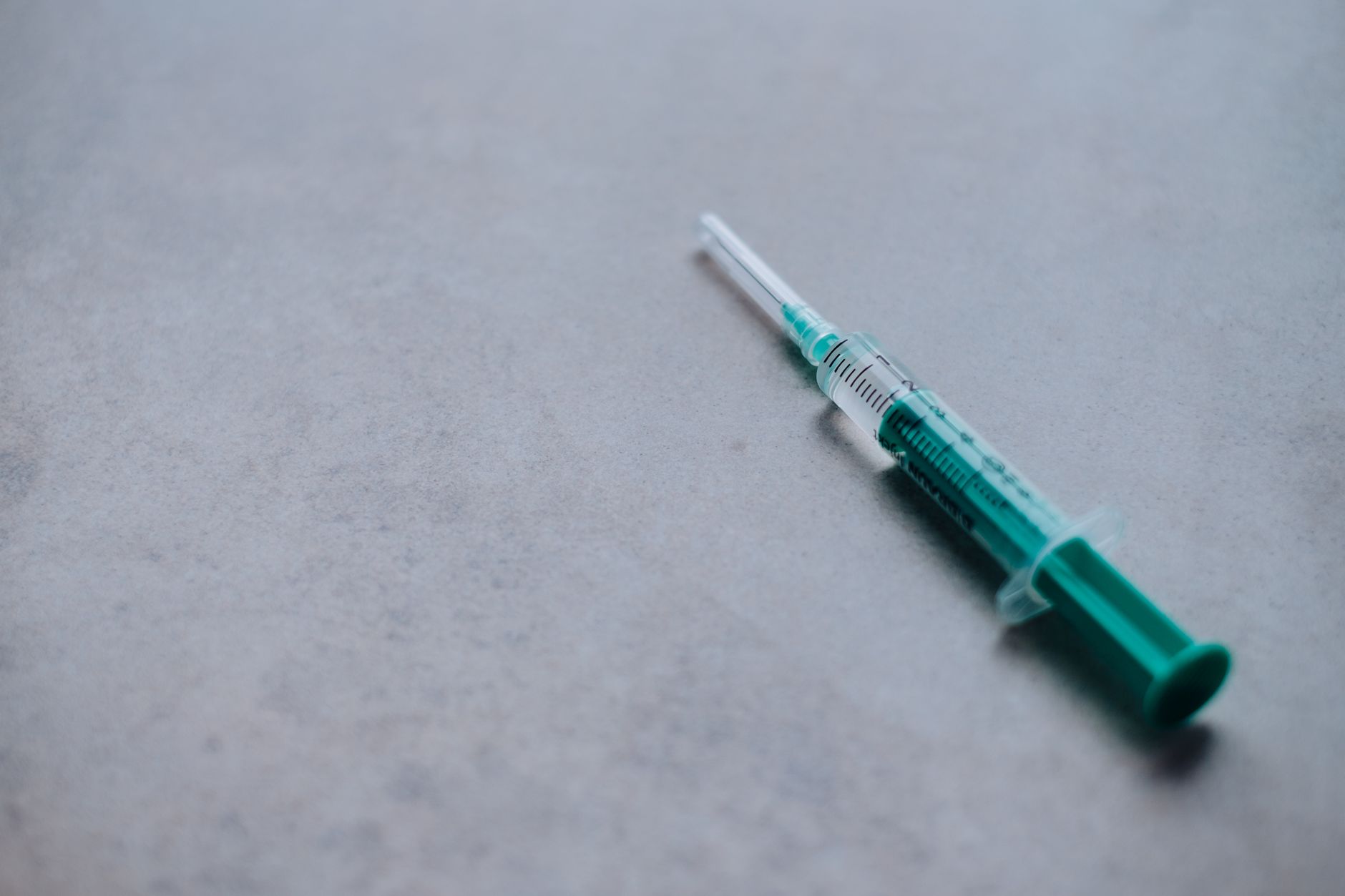
Understanding Flu Shots: Duration, Timing, and Effectiveness As the cooler months approach, the conversation around influenza, commonly known as the flu, intensifies. The flu is a highly contagious respiratory illness that can cause mild to severe symptoms and, in some cases, lead to serious complications. The most effective way to protect yourself and your loved ones from the flu is by getting an annual flu vaccination, often referred to as the flu shot. However, many people wonder: how long does the flu shot last, and what's the best time to get it? How Flu Vaccines Work Flu vaccines are designed to protect against the influenza viruses that research suggests will be most common during the upcoming flu season. These vaccines typically target two types of influenza viruses: influenza A and influenza B. They can be either trivalent (protecting against three strains) or quadrivalent (protecting against four strains). The development of these vaccines is a complex process that begins many months in advance, involving extensive research and surveillance to predict the circulating strains. When Does the Flu Shot Become Effective? It's crucial to understand that the flu shot doesn't provide immediate protection. After receiving the vaccine, your body needs approximately two weeks to develop antibodies that offer immunity. During this two-week window, you can still contract the flu. Therefore, it's essential to continue practicing preventive measures, such as avoiding close contact with sick individuals, practicing good hygiene like frequent handwashing, and avoiding touching your face, nose, and mouth. How Long Does the Protection Last? Generally, the protection offered by the seasonal flu vaccine lasts for the duration of the flu season. However, the effectiveness and duration can vary. Several factors influence how long the vaccine's protection lasts: Age: As we age, our immune systems naturally become less robust. This means that older adults may not develop as strong an immune response to the vaccine, and their protection might wane more quickly. For individuals aged 65 and older, a high-dose flu vaccine (like Fluzone High-Dose) is recommended. This higher dose is designed to elicit a stronger immune response and provide better protection for this age group, with studies showing increased effectiveness. Immune System Health: The overall health and strength of an individual's immune system play a significant role in how well they respond to the vaccine and how long the protection lasts. Viral Strain Changes: Influenza viruses are constantly evolving. The flu vaccine is updated annually to match the strains predicted to circulate. If the circulating strains differ significantly from those in the vaccine, its effectiveness may be reduced. Because of these factors, and the fact that immunity can decrease over time regardless of whether you've been vaccinated or had the flu, it is recommended that most people over 6 months of age receive a flu vaccine every year . When is the Best Time to Get Vaccinated? The Centers for Disease Control and Prevention (CDC) generally recommends getting vaccinated in September or October . This timing aims to ensure that you have protection by the time the flu season typically peaks. However, the flu can circulate as late as March or even later. Therefore, getting vaccinated later in the season can still be beneficial if you haven't been vaccinated earlier. For certain children between 6 months and 8 years old, the CDC recommends two doses of the influenza vaccine during their first season of vaccination to ensure adequate protection. Additionally, individuals 18 years old and younger who are on aspirin therapy should also receive the flu vaccine. Who Should Get the Flu Shot? The CDC recommends the flu vaccine for almost everyone 6 months of age and older, with rare exceptions. It is particularly important for: People who are at high risk of developing serious flu complications. This includes young children (especially those between 6 months and 5 years old), pregnant women, people 65 years and older, and people with certain chronic medical conditions (like asthma, diabetes, heart disease, and weakened immune systems). Healthcare workers and caregivers of people at high risk. People who live with or care for infants younger than 6 months old (as infants under 6 months are too young to be vaccinated). Important Considerations It's important to remember that even after vaccination, you can still contract the flu. This is why adopting healthy habits is crucial: Practice good hygiene: Wash your hands frequently with soap and water, or use an alcohol-based hand sanitizer. Avoid touching your face: Try not to touch your eyes, nose, or mouth. Avoid crowds: If the flu is circulating widely in your community, try to limit your time in crowded public places. Healthy lifestyle: Maintain a balanced diet, get enough sleep, and manage stress to support your immune system. The flu shot is a vital tool in preventing influenza and its complications. By understanding how it works, when to get it, and how long its protection lasts, you can make informed decisions to safeguard your health throughout the flu season. When to Consult a Doctor While the flu shot is highly recommended, it's important to know when to seek medical attention. Consult a doctor if you experience any of the following: Difficulty breathing or shortness of breath Chest pain or pressure Sudden dizziness Confusion Severe or persistent vomiting Flu-like symptoms that improve but then return with fever and worse cough High fever that doesn't respond to medication These could be signs of serious
In summary, timely diagnosis, evidence-based treatment, and prevention-focused care improve long-term health outcomes.