Navigating the Challenges of Type 2 Diabetes: Hyvelle's Story
Living with type 2 diabetes can feel like a constant balancing act. For many, the journey begins with a diagnosis that reshapes daily life. Hyvelle Ferguson-Davis's experience is a powerful testament to this, starting with gestational diabetes during pregnancy, which later evolved into type 2 diabetes. She reflects on how, in hindsight, she might have been living with the condition for years before it was formally diagnosed. This narrative highlights a common reality: the often-subtle onset of type 2 diabetes and the profound impact a diagnosis can have.
The Turning Point: Vision Problems and the A1C Test
At 45, Hyvelle faced a stark warning sign: difficulty reading words and numbers at work. This alarming symptom prompted her to seek medical attention, leading her to understand the significance of the A1C test. The A1C test, which provides a three-month average of blood glucose levels, became a crucial tool for her. She explains, "It was an indicator of 3 months of how my body was doing. The goal was to bring those numbers down so my body could be aligned with how I wanted to live. That’s what I focused on." This focus allowed her to bring her A1C levels down from a concerning 12% to a more manageable 6%.
Initial Management and Setbacks
Following her initial diagnosis, Hyvelle managed her diabetes with a combination of dietary changes, insulin, and oral medication. However, life's pressures, including job loss during pregnancy and subsequent lack of insurance, created significant financial and logistical hurdles. She admits to reverting to old eating habits and discontinuing medication for a period, prioritizing other responsibilities over her health. "There were tough choices to make because I didn’t have the money or insurance to really deal with it. And I was going to school, I was a mother, I was there for everyone else but not really addressing my own needs," she shares. This period underscores the socioeconomic factors that can complicate diabetes management.
A Wake-Up Call: Stroke and Heart Attack
The true catalyst for lasting change came with severe cardiovascular complications. A stroke, followed by a heart attack requiring a quadruple bypass and multiple stents, served as a critical wake-up call. Hyvelle recounts the frightening experience of realizing she was not making sense to her daughter, leading to the discovery of her stroke. The subsequent heart attack left her feeling vulnerable and questioning her future. "I came home and felt like I was going to die. My only dream was to wake up to see the sunrise. When I woke up and saw the sun, I was like, ‘Yes, I was given another day.’ I just held onto those days," she recalls. These life-threatening events instilled a profound appreciation for each day and a renewed determination to prioritize her health.
Embracing Technology for Diabetes Control
Following these health crises, Hyvelle embarked on a path of recovery and self-care. She began with simple steps like watching the sunrise and taking short walks, gradually incorporating more significant lifestyle changes. A key realization was the importance of consistent blood glucose monitoring. As someone who identifies as a "numbers person," her glucose readings provided tangible data to work with. She notes the evolution of glucose monitoring technology: "When I was [first] diagnosed, I was not someone who checked my numbers a lot because it really hurt. That was a major stumbling block. But now it’s evolved to be so much better than it used to be."
The Role of Modern Tools
Hyvelle now uses technology to her advantage. Instead of checking her glucose only when feeling unwell, she checks it every morning, aided by a device that provides timely reminders. This proactive approach, facilitated by modern technology, has been instrumental in keeping her blood glucose within the target range, thereby reducing the risk of long-term diabetes complications. The accessibility and user-friendliness of current monitoring devices have removed previous barriers, making consistent self-management a reality.
Benefits of Technological Integration in Diabetes Management
Hyvelle's story highlights several key ways technology aids diabetes management:
- Continuous Glucose Monitoring (CGM): Devices that track glucose levels in real-time provide immediate feedback and trend data, allowing for timely adjustments to diet, medication, and activity.
- Smart Insulin Pens and Pumps: These devices can automate insulin delivery, track doses, and help users understand their insulin needs more effectively.
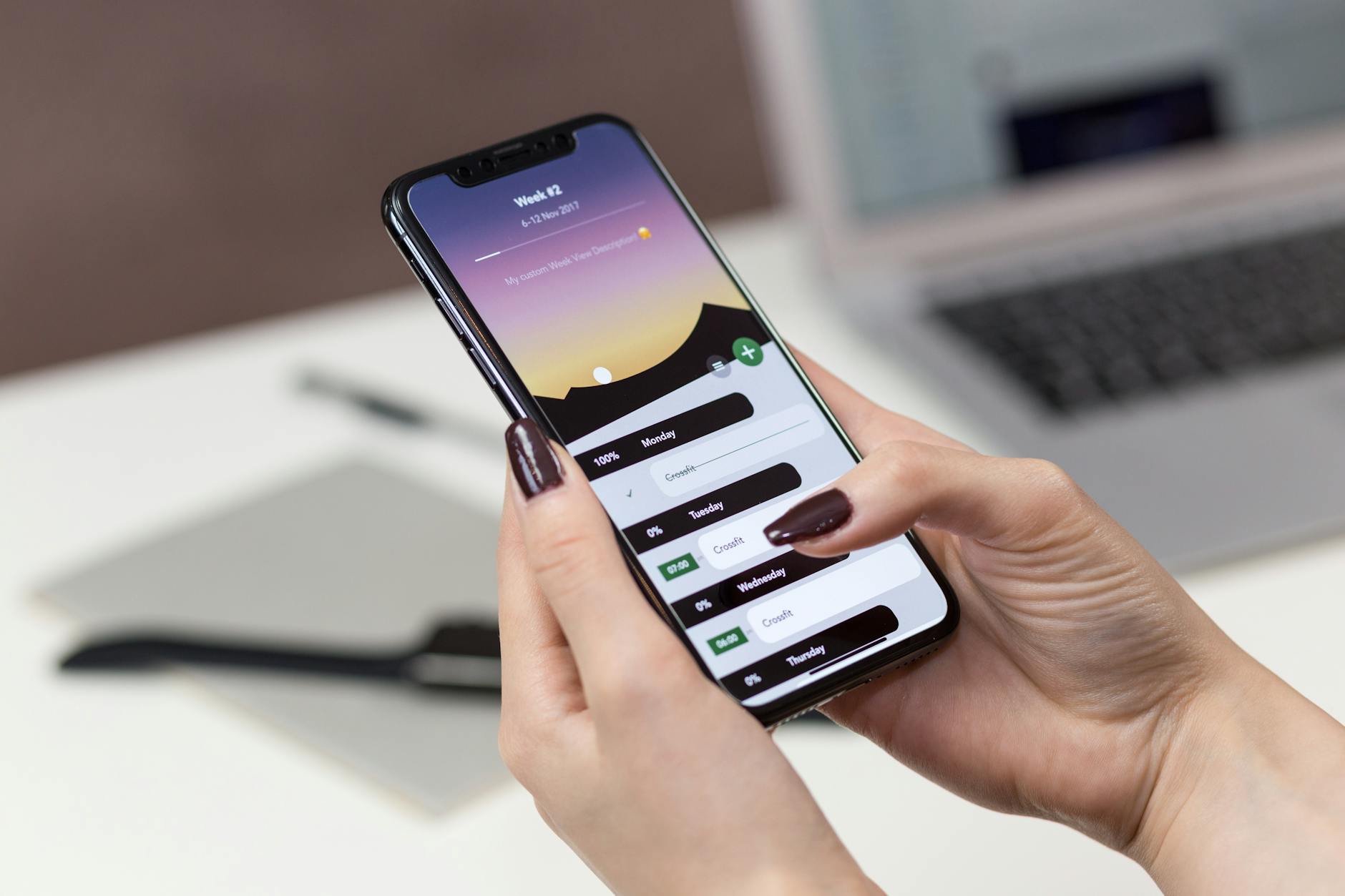
- Diabetes Management Apps: Mobile applications help users log food intake, physical activity, blood glucose readings, and medication. Many apps offer personalized insights, goal setting, and educational resources.
- Telemedicine: Virtual consultations with healthcare providers allow for regular check-ins, medication adjustments, and support without the need for in-person visits, which is particularly beneficial for those with mobility issues or living in remote areas.
- Wearable Fitness Trackers: These devices monitor physical activity, heart rate, and sleep patterns, providing valuable data that complements diabetes management efforts.
When to Consult a Doctor
It is crucial to consult a doctor if you experience any of the following:
- Persistent high or low blood glucose readings despite management efforts.
- Symptoms of diabetes complications, such as blurred vision, numbness in extremities, slow-healing sores, or frequent infections.
- Sudden, unexplained weight loss or gain.
- Unusual fatigue or changes in energy levels.
- Symptoms of cardiovascular issues, like chest pain, shortness of breath, or irregular heartbeat.
- Mental health concerns, such as depression or anxiety, which can impact diabetes self-care.
Prevention and Lifestyle Modifications
While type 2 diabetes often has a genetic component, lifestyle plays a significant role in its development and management. Key preventive measures and management strategies include:
- Balanced Diet: Focus on whole grains, lean proteins, fruits, vegetables, and healthy fats. Limit processed foods, sugary drinks, and excessive saturated fats.
- Regular Physical Activity: Aim for at least 150 minutes of moderate-intensity aerobic activity or 75 minutes of vigorous-intensity activity per week, along with muscle-strengthening activities.
- Weight Management: Achieving and maintaining a healthy weight can significantly reduce the risk of developing type 2 diabetes or improve its management.
- Adequate Sleep: Prioritize 7-9 hours of quality sleep per night, as poor sleep can affect blood sugar control.
- Stress Management: Incorporate stress-reducing techniques like deep breathing, meditation, or yoga into your daily routine.
Conclusion
Hyvelle Ferguson-Davis's journey powerfully illustrates how technology, combined with personal determination and medical support, can transform the landscape of diabetes management. From overcoming financial barriers and serious health crises to embracing modern tools for monitoring and control, her story offers hope and practical insights for anyone navigating the complexities of type 2 diabetes. The integration of technology into daily routines empowers individuals to take a more active and informed role in their health, leading to better outcomes and an improved quality of life.