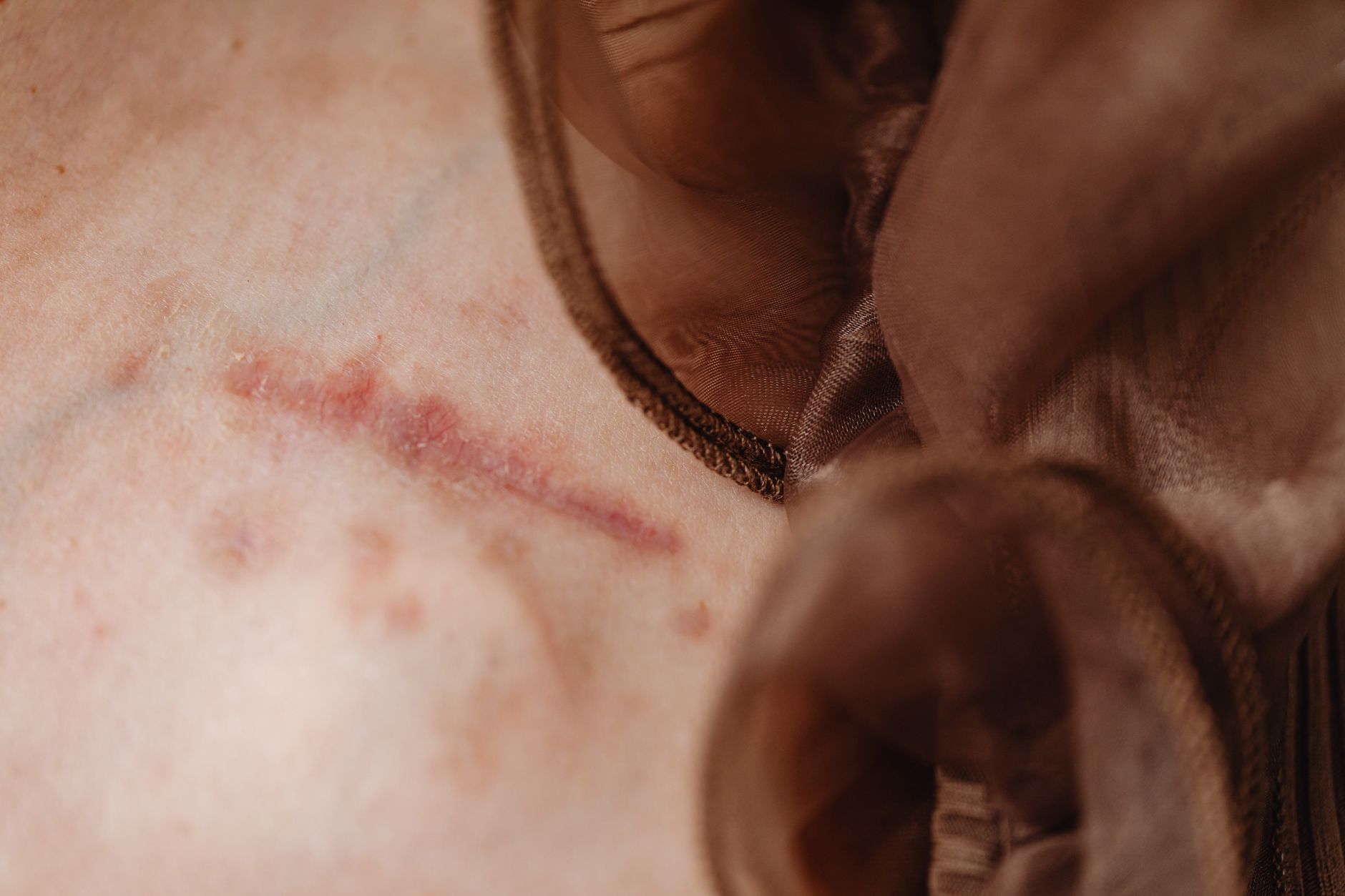
Understanding Hydrocolloid Bandages: A Modern Approach to Healing In the realm of wound care and skin treatment, innovation plays a crucial role in enhancing healing processes and patient comfort. Hydrocolloid bandages represent a significant advancement in this field, offering a unique approach to managing various skin conditions, from minor scrapes to persistent acne breakouts. Unlike traditional bandages, hydrocolloid dressings are designed to create an optimal healing environment, promoting faster recovery and reducing the risk of infection. This article delves into the composition, benefits, applications, and usage of hydrocolloid bandages, providing a comprehensive guide for Indian readers seeking effective and convenient solutions for their skin concerns. What Exactly Are Hydrocolloid Bandages? Hydrocolloid bandages are a type of advanced wound dressing that utilizes a unique material composition to facilitate healing. They are composed of two primary layers: an outer backing and an inner hydrocolloid matrix. The outer layer, typically made of thin foam or polyurethane film, acts as a protective barrier, sealing the wound from external contaminants like dirt and bacteria. This barrier can be nonpermeable, completely blocking air and moisture, or semipermeable, allowing air to pass through while still repelling moisture. The inner layer is the star of the show – a sticky, gel-like substance that contains absorbent materials. When this matrix comes into contact with wound exudate (fluid), it transforms into a gel, creating a moist, protected environment conducive to healing. The Science Behind Hydrocolloid Healing The effectiveness of hydrocolloid bandages lies in their ability to maintain a moist wound environment. This is a stark contrast to older methods that often aimed to keep wounds dry, which can sometimes impede healing. A moist environment offers several advantages: Accelerated Cell Growth: Cells responsible for healing, such as epithelial cells, migrate and multiply more rapidly in a moist setting. Reduced Scarring: Moist wound healing has been shown to lead to less prominent scarring. A 2021 study highlighted the efficacy of hydrocolloid bandages in improving the appearance of scars after dermatologic surgery. Autolytic Debridement: The gel formed by the hydrocolloid dressing helps to break down and absorb dead or damaged tissue, a process known as autolytic debridement. This naturally cleans the wound bed. Reduced Pain: By protecting nerve endings and keeping the wound moist, hydrocolloid bandages can significantly reduce pain and discomfort. Barrier Protection: The outer layer prevents bacteria and other contaminants from entering the wound, thus lowering the risk of infection. pH Balance: Hydrocolloid dressings help maintain an optimal acidic pH level, which is crucial for inhibiting bacterial growth and promoting healing. Temperature Regulation: They help maintain a consistent, warm temperature at the wound site, which is ideal for cellular activity and repair. Key Ingredients and Their Roles The specific composition of hydrocolloid bandages can vary between manufacturers, but they generally contain a combination of the following key ingredients: Sodium Carboxymethyl Cellulose (CMC): This is a primary component that gives the hydrocolloid its thickening and swelling properties. When it absorbs fluid, it forms the characteristic gel. Gelatin: Derived from collagen, gelatin can help stimulate blood clotting, which is an early and essential step in wound healing. Pectin: This natural substance, often derived from fruits, provides structural support, acting as a scaffold for new cell and tissue regrowth. Hydrocolloid Bandages for Acne: Pimple Patches Explained Hydrocolloid bandages are also widely used for acne treatment, often referred to as pimple patches or acne stickers. While they share the core hydrocolloid technology, these patches may contain additional active ingredients specifically targeted at combating breakouts. These can include: Tea Tree Oil: Known for its potent anti-inflammatory and antiseptic properties, it helps to reduce redness and fight acne-causing bacteria. Salicylic Acid: A beta-hydroxy acid (BHA) that exfoliates the skin, dissolves dead skin cells, and unclogs pores. Glycolic Acid: An alpha-hydroxy acid (AHA) that also exfoliates the skin and possesses antibacterial qualities. Niacinamide (Vitamin B3): This versatile ingredient helps regulate oil production, reduce inflammation and redness, and minimize the appearance of pores. Pimple patches work by drawing out pus and oil from blemishes, creating a protective barrier that prevents picking and further irritation, and delivering targeted acne-fighting ingredients directly to the spot. When to Use Hydrocolloid Bandages Hydrocolloid bandages are best suited for specific types of wounds and skin conditions. They are ideal for: Superficial Wounds: Such as minor cuts, scrapes, and abrasions (e.g., skinned knees, road rash). Oozing Wounds: Wounds that produce moderate amounts of fluid, as the hydrocolloid can absorb this and form a gel. Blisters: To protect the broken skin and promote healing. Post-Surgical Wounds: Especially after dermatologic procedures, as noted in research for scar improvement. Open Pimples: To absorb exudate and protect the lesion. How to Apply and Use Hydrocolloid Bandages Proper application is key to maximizing the benefits of hydrocolloid bandages: Clean the Area: Gently wash the wound or affected skin with mild soap and water. Pat the area dry thoroughly. Avoid using harsh antiseptics like alcohol or hydrogen peroxide, as they can sometimes hinder healing. Select the Right Size: Choose a bandage that is large enough to cover the entire wound or blemish, with a small margin extending onto the surrounding healthy skin. Apply Gently: Peel off the protective backing and carefully apply the hydrocolloid side directly onto the clean, dry skin. Press down gently around the edges to ensure a good seal. Leave it On: Hydrocolloid bandages are designed to stay in place for several days. Depending on the amount of exudate, they can typically be left on for 3 to 7 days. You'll know it's time to change it when the gel starts to swell significantly, or if the seal breaks. Removal: To remove, gently lift one edge of the bandage and slowly peel it back, stretching it parallel to the skin. Do not rip it off. Important Note: Always read and follow the specific instructions provided by the manufacturer, as materials and recommended wear times can vary. When NOT to Use Hydrocolloid Bandages While versatile, hydrocolloid bandages are not suitable for all types of wounds. They should generally be avoided for: Dry Wounds: Wounds that have no exudate will not activate the hydrocolloid's gelling properties. Heavily Draining Wounds: If a wound produces a very large amount of fluid, the hydrocolloid may become saturated quickly and require frequent changes, diminishing its benefits. Infected Wounds: Signs of infection include increased redness, warmth, swelling, pus, and fever. Infected wounds require medical attention. Deep Wounds: Very deep or puncture wounds may need different types of dressings and professional medical assessment. Fungal or Ulcerous Wounds: Certain chronic conditions like diabetic foot ulcers or severe pressure sores (bed sores) require specialized medical care and should not be managed solely with over-the-counter hydrocolloid bandages. A 2014 systematic review found no conclusive evidence that hydrocolloids were superior to other dressings for chronic bed sores, though they were effective for other conditions. When to Consult a Doctor While hydrocolloid bandages are excellent for minor issues, it's crucial to seek professional medical advice in the following situations: Signs of Infection: If you notice increased pain, redness, swelling, warmth, pus, or develop a fever. Worsening Condition: If the wound or skin condition does not improve or gets worse after a few days of using the bandage. Deep or Large Wounds: For any wound that is deep, large, or has jagged edges. Animal Bites or Puncture Wounds: These carry a high risk of infection. Chronic Conditions: If you have underlying health issues like diabetes, poor circulation, or a compromised immune system, consult your doctor before using any new wound dressing. Severe Acne: For persistent or severe acne, a dermatologist can offer more targeted treatments. Frequently Asked Questions (FAQ) Can I shower with a hydrocolloid bandage on? Yes, hydrocolloid bandages are waterproof and designed to stay in place during bathing or showering, providing continuous protection. How long can I leave a hydrocolloid bandage on? Typically, they can be left on for 3 to 7 days, depending on the wound's exudate level and the bandage's integrity. Change it if it starts to lift, swell excessively, or becomes soiled. Are hydrocolloid bandages good for blisters? Yes, they are excellent for covering and protecting blisters, especially broken ones, to promote healing and prevent infection. Can hydrocolloid bandages be used on dry wounds? No, they are most effective on wounds with some level of exudate (fluid). They need moisture to activate the gelling properties. For dry wounds, other types of dressings might be more appropriate. Are pimple patches the same as hydrocolloid bandages? Pimple patches are a type of hydrocolloid bandage specifically formulated for acne. They often contain additional active ingredients like salicylic acid or tea tree oil, which are not typically found in bandages used for general wound care. Conclusion Hydrocolloid bandages offer a sophisticated and effective solution for managing a variety of skin issues, from everyday scrapes to stubborn pimples. By creating a moist, protected, and clean healing environment, they accelerate recovery, reduce scarring, and enhance comfort. Understanding their composition, application, and limitations is key to harnessing their full potential. For minor wounds and
In summary, timely diagnosis, evidence-based treatment, and prevention-focused care improve long-term health outcomes.