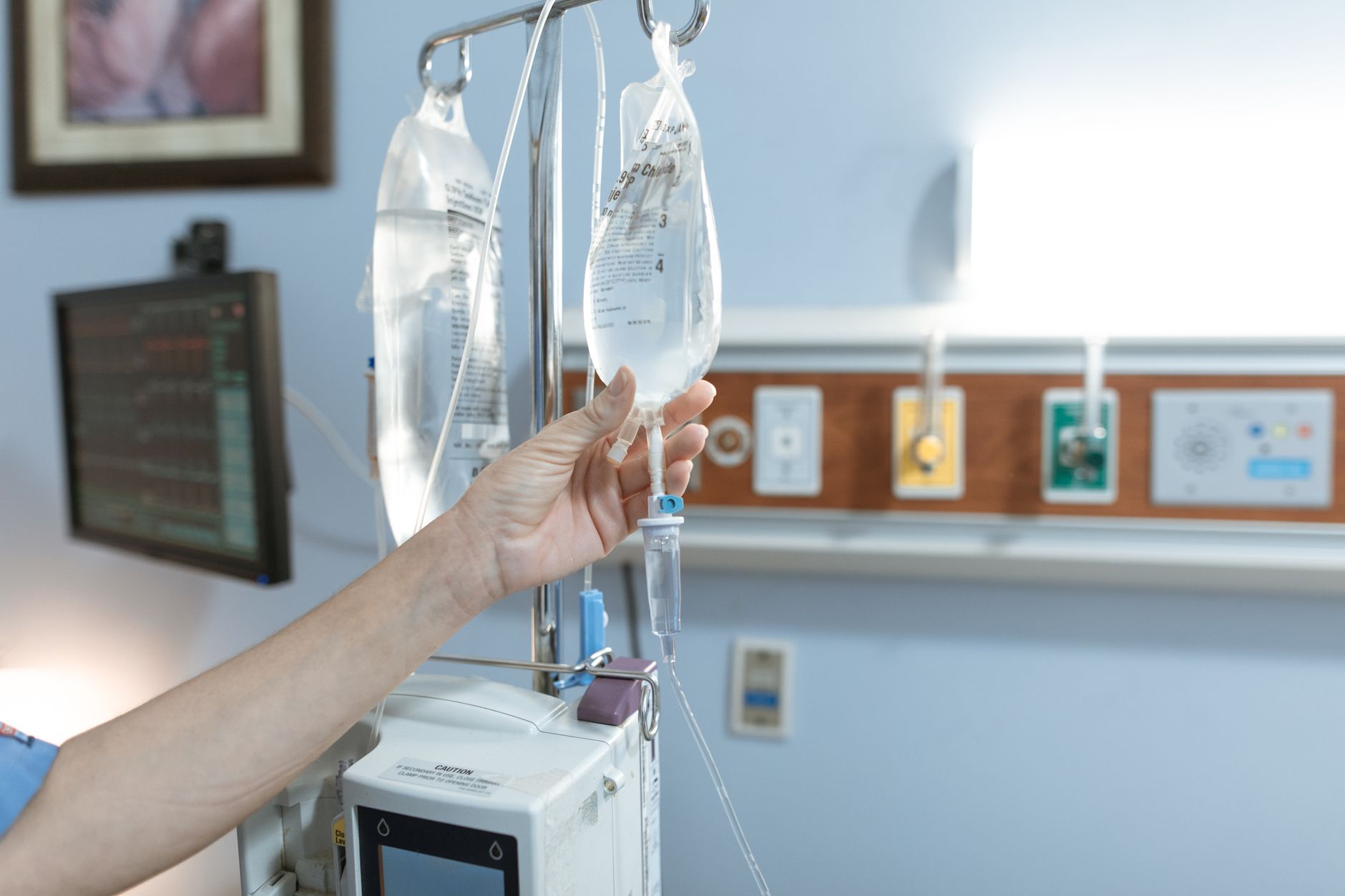
Have you ever wondered what infusion therapy is and why doctors recommend it? It's a common medical treatment, especially in hospitals, but many people aren't quite sure what it involves. Simply put, infusion therapy means giving medications or fluids directly into your bloodstream through a needle or catheter. Think of it as a precise way to deliver treatments that either can't be taken by mouth or need to be given at a very specific, controlled rate. We're here to break down everything you need to know about this important medical procedure, making it clear and easy to understand for you and your family. What Exactly is Infusion Therapy? At its core, infusion therapy is the process of administering substances like medications, fluids, or nutrition directly into a patient's vein. This is usually done intravenously, which is why you often hear it called IV therapy. However, it's not always an IV line. Some forms of infusion therapy involve delivering substances just under the skin or even into the spine. The main goal is to bypass the digestive system, ensuring that the medication reaches your bloodstream effectively and works as intended. This is particularly important for drugs that would otherwise be broken down by your stomach or intestines, losing their potency. Imagine you have a severe infection that needs a strong antibiotic, but the oral form just isn't strong enough or is too hard on your stomach. Infusion therapy can deliver a higher dose directly into your system, fighting the infection more effectively. Or, consider someone with a chronic condition like Crohn's disease who can't absorb nutrients well from food; infusion therapy can provide the necessary nourishment directly. It's a versatile tool in modern medicine, used for a wide range of health needs. Why is Infusion Therapy Sometimes Necessary? Several situations make infusion therapy a better, or even the only, option for treatment. Here are the primary reasons: Medications That Don't Work Orally: Some powerful drugs, like certain chemotherapy agents or biologics, are destroyed by the digestive process. Infusion ensures they reach the bloodstream intact and can do their job. Need for Controlled Dosing: Some treatments, especially in cancer care, require slow, steady delivery over hours. This precise control helps maximize effectiveness and minimize side effects. Severe Dehydration or Malnutrition: When a person can't keep fluids down or absorb nutrients adequately, IV fluids and nutrition can be life-saving. Rapid Delivery Needed: In emergencies, like severe allergic reactions or significant blood loss, medications or fluids need to enter the bloodstream very quickly. Infusion therapy allows for this immediate response. Inability to Take Oral Medications: Conditions like persistent vomiting, swallowing difficulties, or unconsciousness make oral medication impossible. Infusion provides a reliable alternative. Common Conditions Treated with Infusion Therapy Infusion therapy is a cornerstone in treating a vast array of medical conditions. While it's widely known for its role in cancer treatment, its applications extend much further: Cancer Treatment Chemotherapy is perhaps the most recognized use of infusion therapy. Many chemotherapy drugs are administered intravenously to target cancer cells throughout the body. It also allows for the delivery of supportive medications, such as anti-nausea drugs, directly into the system, helping patients manage treatment side effects more comfortably. Infections For severe infections that don't respond to oral antibiotics, such as cellulitis, pneumonia, or sepsis, IV antibiotics are often prescribed. They deliver potent antimicrobial agents directly into the bloodstream to combat the infection rapidly and effectively. Gastrointestinal Disorders Conditions like Crohn's disease, ulcerative colitis, and severe malabsorption syndromes often benefit from infusion therapy. This can involve delivering medications that reduce inflammation or providing essential nutrients and hydration when the gut can't absorb them properly. Autoimmune Diseases Many autoimmune conditions, such as multiple sclerosis, rheumatoid arthritis, and lupus, are managed with infusion therapies. These often involve biologic drugs or corticosteroids that modulate the immune system's activity, reducing inflammation and damage to the body's tissues. Blood Disorders For individuals with conditions like hemophilia, where blood clotting factors are deficient, infusion therapy is vital. It delivers the necessary clotting factors to prevent or treat bleeding episodes. Similarly, people with certain anemias might receive iron infusions. Pain Management Severe pain, especially from conditions like migraines or post-operative recovery, can sometimes be managed more effectively with IV pain medications. These provide rapid relief when oral painkillers are insufficient. Neurological Conditions Besides multiple sclerosis, other neurological conditions might require infusion therapy. This could include medications for severe epilepsy or treatments for certain types of brain inflammation. Nutritional Support Total Parenteral Nutrition (TPN) is a form of infusion therapy that provides complete nutrition intravenously. It's a lifeline for patients with non-functional digestive systems, ensuring they receive the calories, proteins, vitamins, and minerals they need to survive and recover. What to Expect During Infusion Therapy Understanding the process can ease any anxiety you might have. Here’s a general idea of what happens: Preparation Before your first infusion, your doctor will explain the procedure, discuss the medication, and answer any questions. You'll likely have some blood tests done to check your overall health and ensure you're a good candidate for the therapy. You'll be advised on what to eat or drink beforehand, and what medications you should or shouldn't take. The Infusion Site For shorter treatments, a small needle might be inserted into a vein in your arm or hand. This is a standard IV line. If you need frequent or long-term infusions, your doctor might suggest more permanent access options: PICC Line (Peripherally Inserted Central Catheter): A long, thin tube inserted into a vein in your arm and threaded up to a large vein near your heart. Central Line: Similar to a PICC line but inserted into a vein in your neck, chest, or groin. Port (Port-a-Cath): A small device surgically placed under the skin, usually on the chest. A special needle is inserted into the port for infusions, and it can remain in place for months or even years. Your healthcare team will choose the best option based on the type of medication, duration of treatment, and your specific needs. During the Infusion You'll typically receive your infusion in a comfortable chair or bed, often in a dedicated infusion center, hospital room, or sometimes even at home with a visiting nurse. The medical staff will prepare the medication and carefully connect it to your catheter or IV line. The rate of infusion is monitored closely. You can usually read, listen to music, use your phone, or just relax. The duration can vary significantly, from as little as 30 minutes to several hours, depending on the medication and your condition. For longer sessions, you might be offered snacks or drinks. After the Infusion Once the infusion is complete, the needle or catheter will be removed. You'll be monitored for a short period to ensure there are no immediate reactions. You can then usually resume your normal activities, though your doctor might give specific instructions based on the medication you received. Potential Side Effects and Risks Like any medical procedure, infusion therapy carries potential risks and side effects. It's important to discuss these thoroughly with your doctor. Common concerns include: Infection: The site where the needle or catheter is inserted can become infected if not kept clean. Phlebitis: Inflammation of the vein can occur, causing pain, redness, and swelling. Extravasation: If medication leaks out of the vein into the surrounding tissue, it can cause damage. This is more common with certain types of drugs. Allergic Reactions: Some people may experience allergic reactions to the medication being infused. Systemic Side Effects: Depending on the medication, you might experience side effects similar to those you'd get from oral versions, such as nausea, fatigue, or headaches. Your healthcare team will take every precaution to minimize these risks and will monitor you closely for any signs of problems. When to Consult a Doctor While infusion therapy is generally safe and effective, you should always consult your doctor if: You have questions or concerns about your treatment plan. You experience any new or worsening symptoms during or after your infusion. You notice signs of infection at the infusion site, such as increased redness, swelling, warmth, or pus. You develop a fever or chills. You experience severe pain at the infusion site. You have concerns about the duration or frequency of your treatments. Open communication with your healthcare provider is key to a successful and safe infusion therapy experience. They are your best resource for understanding your treatment and managing any potential issues. Frequently Asked Questions (FAQ) Q1: How long does an infusion therapy session typically last? The duration varies greatly depending on the medication and the condition being treated. Some sessions can be as short as 30 minutes, while others might take several hours. Q2: Can I receive infusion therapy at home? Yes, in many cases, especially for chronic conditions requiring regular infusions, home healthcare services can provide infusion therapy in the comfort of your own home. Your doctor will determine if this is a suitable option for you. Q3: Is
In summary, timely diagnosis, evidence-based treatment, and prevention-focused care improve long-term health outcomes.