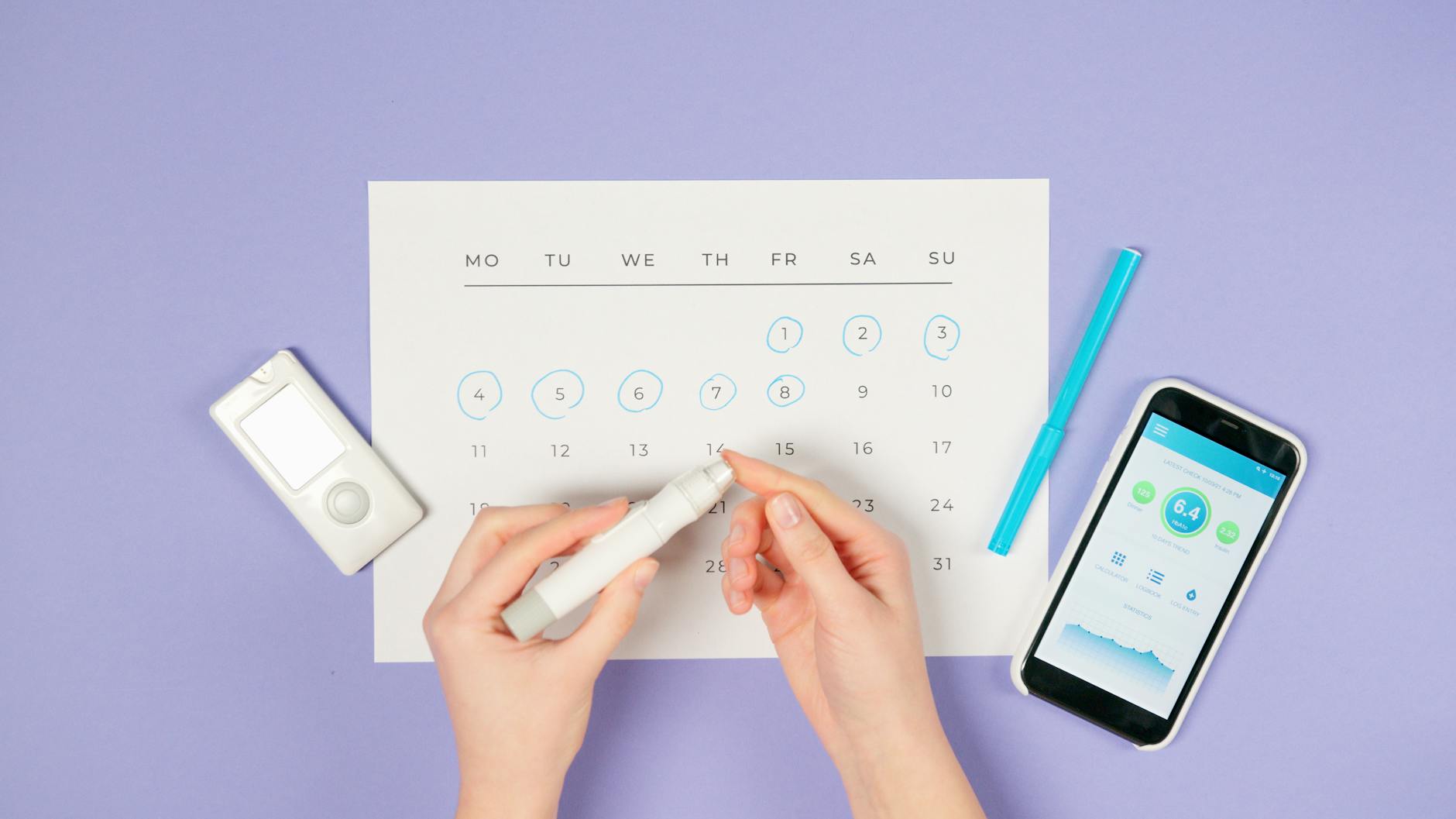
Understanding Insulin for Type 2 Diabetes
Type 2 diabetes is a chronic condition that affects how your body uses sugar (glucose) for energy. In type 2 diabetes, your body either doesn't produce enough insulin, or it resists insulin. Insulin is a hormone made by the pancreas that acts like a key, allowing glucose from your bloodstream to enter your cells for energy. When this process doesn't work effectively, glucose builds up in the blood, leading to high blood sugar levels. While lifestyle changes like diet and exercise are crucial, sometimes insulin therapy becomes a necessary part of managing type 2 diabetes. This guide aims to provide practical tips for incorporating insulin into your daily life, making the process manageable and less daunting for individuals in India.
Why Insulin Might Be Recommended
For many individuals with type 2 diabetes, lifestyle modifications are the first line of defense. However, as the condition progresses, or if blood sugar levels remain persistently high despite diet, exercise, and oral medications, your doctor may recommend insulin therapy. Insulin can help lower blood glucose levels, reduce the risk of diabetes-related complications, and improve your overall quality of life. It's important to remember that starting insulin is not a sign of failure, but rather a proactive step towards better health management.
Preparing Your Insulin Injection
Whether you use an insulin pen or a syringe, proper preparation is key to effective and safe administration. Here’s a breakdown of the steps:
Using an Insulin Pen:
- Verify the Pen: Always check the pen's label to ensure it's the correct type and dose prescribed by your doctor.
- Inspect the Insulin: Look for any changes in the color or consistency of the insulin. It should typically be clear and colorless. Gently roll the pen between your palms to mix it if indicated by the manufacturer – avoid shaking, as this can create air bubbles.
- Attach the Needle: Remove the protective cap and attach a new, sterile needle to the pen according to the manufacturer's instructions.
- Prime the Pen: This step is crucial to remove any air bubbles and ensure you get the correct dose. Prime the pen by dialing the recommended number of units for priming. Hold the pen upright and gently tap the insulin cartridge to help air bubbles rise. Push the injection button to confirm insulin is flowing. Repeat if necessary, especially with new pens or cartridges.
- Select Your Dose: Once primed, use the dosing dial to select the precise insulin dose prescribed by your doctor. Ensure you start at zero before dialing your dose.
Using a Syringe and Vial:
- Check the Vial: Examine the insulin vial for its expiration date and check the insulin for any unusual changes in color or consistency. Gently roll the vial between your palms to mix if needed.
- Prepare the Syringe: Draw air into the syringe by pulling back the plunger to match the dose of insulin you need.
- Inject Air into the Vial: Insert the needle into the rubber stopper of the insulin vial and inject the air. This helps to equalize the pressure inside the vial, making it easier to draw out the insulin.
- Draw Up Insulin: Turn the vial upside down and slowly pull the plunger back to draw the correct dose of insulin into the syringe. Ensure there are no air bubbles. If there are, gently tap the syringe and push the plunger slightly to remove them, then draw up the correct dose again.
- Wipe the Vial Top: Before drawing insulin, lightly wipe the top of the vial with an alcohol swab.
Choosing and Preparing the Injection Site
The location where you inject insulin can affect how quickly it works. Common injection sites include the abdomen, thighs, upper arms, and buttocks. Your doctor will advise you on the best site for your individual needs.
- Abdomen: Generally, insulin injected into the abdomen is absorbed the fastest.
- Thighs and Buttocks: Absorption may be slower from these sites.
- Upper Arms: Absorption can vary.
Site Preparation: Always clean the injection area thoroughly with soap and water. If you use an alcohol swab, allow the skin to dry completely before injecting to prevent stinging.
Administering the Insulin Injection
Once your insulin is prepared and your site is chosen and cleaned, it's time for the injection:
- Pinch the Skin: Gently pinch the skin at your chosen injection site to create a small fold.
- Insert the Needle: Insert the needle fully into the pinched skin. For most sites, a 45-degree angle is recommended. In areas with thicker tissue, you might need to insert the needle at a 90-degree angle (straight up and down). Your doctor or nurse will guide you on the correct angle.
- Inject the Insulin: Slowly push the plunger down or press the injection button on the pen to deliver the insulin.
- Wait and Withdraw: Hold the needle in place for about 5 seconds after injecting to ensure all the insulin is delivered. Then, carefully withdraw the needle.
- Dispose of Sharps: Safely dispose of the used needle or syringe in a designated sharps container. Never reuse needles.
Storing Your Insulin
Proper storage is vital to maintain insulin's effectiveness:
- Refrigeration: Unused insulin should be stored in the refrigerator at a stable temperature between 2°C to 8°C (36°F to 46°F).
- Room Temperature: Once opened or in use, insulin can typically be stored at room temperature (between 15°C to 30°C or 59°F to 86°F) for up to 28 days. Always check the manufacturer's instructions for specific storage guidelines.
- Avoid Extremes: Do not freeze insulin or expose it to direct sunlight or extreme heat, as this can damage it.
Packing Your 'To-Go' Bag
For individuals managing diabetes, having a 'to-go' bag or kit is essential for daily life and emergencies. This small container should hold all your necessary diabetes supplies:
- Blood glucose meter (with extra batteries)
- Fast-acting carbohydrates (e.g., glucose tablets, candy) for low blood sugar emergencies
- Healthy snacks (e.g., crackers, nuts)
- Written instructions for calculating insulin doses
- Ice packs to maintain insulin temperature
- Your insulin pen or syringes and vial (even if you usually use a pen, carrying a backup syringe and vial can be wise)
- Alcohol swabs
- Sharps container or a safe way to dispose of used needles
Keep this bag readily accessible, perhaps in your car or handbag, so you're always prepared when you leave home.
When to Consult Your Doctor
Regular communication with your healthcare provider is crucial. Consult your doctor or diabetes educator if you experience any of the following:
- Persistent high or low blood sugar readings
- Difficulty managing your blood sugar levels
- Signs of infection at the injection site (redness, swelling, pain)
- Unexplained changes in your insulin needs
- Concerns about your insulin regimen or injection technique
- Any new or worsening diabetes-related symptoms
Disclaimer: This information is for general knowledge and informational purposes only, and does not constitute medical advice. It is essential to consult with a qualified healthcare professional for any health concerns or before making any decisions related to your health or treatment.