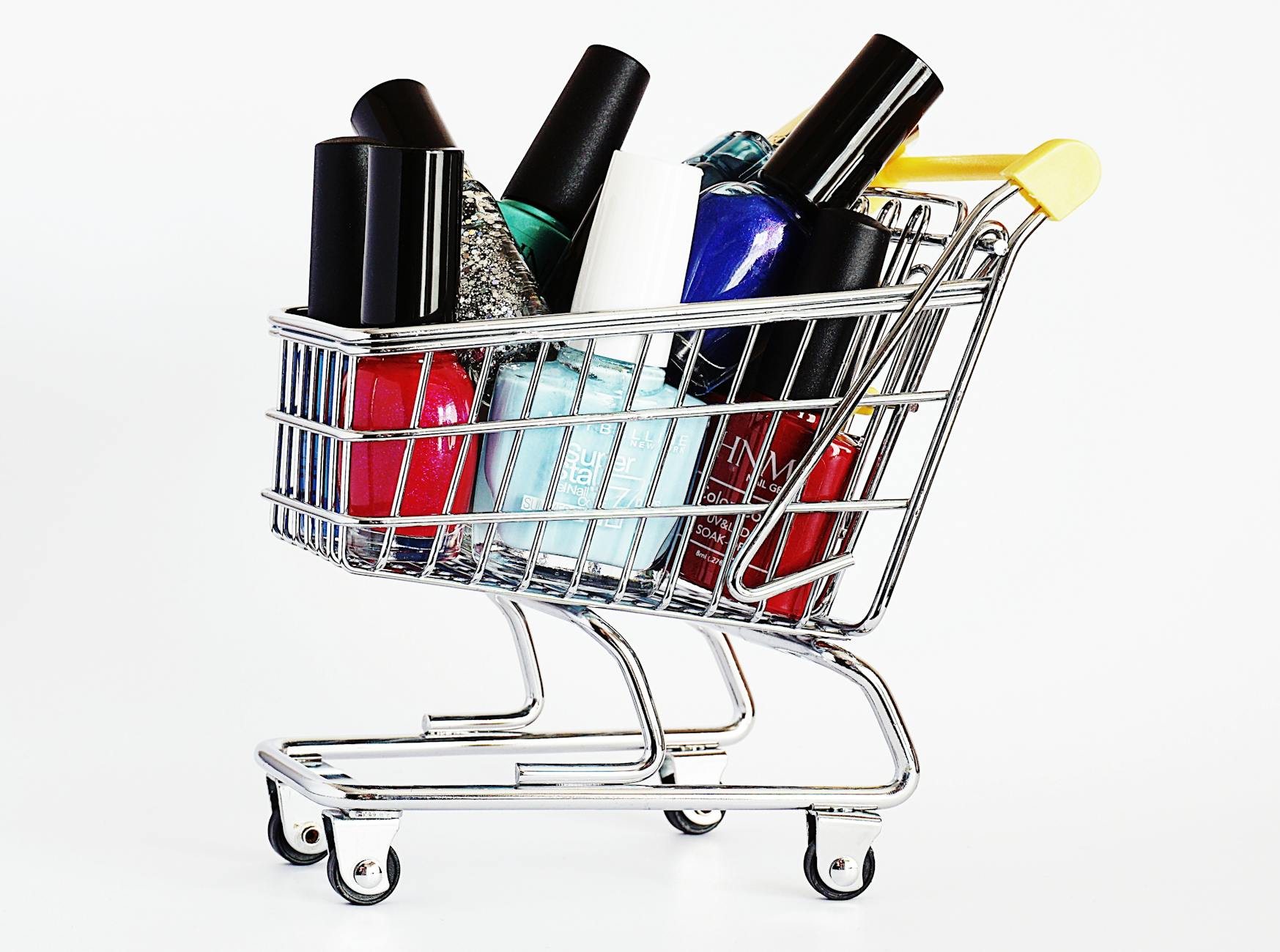
We love a good manicure. That pop of colour on your fingernails can boost your mood, complete your look, and just feel… polished. But have you ever paused to wonder what’s actually in that bottle of nail polish? Especially with terms like ‘non-toxic,’ ‘clean,’ and ‘X-Free’ popping up everywhere, it’s easy to assume these polishes are completely safe. But the reality, especially for us here in India, might be a little more complex. Let’s peel back the layers of the nail polish industry and see what we’re really painting onto our nails.
The Truth About 'X-Free' Claims
You’ve probably seen it: “3-Free,” “5-Free,” “10-Free,” even “15-Free.” These labels promise polishes free from certain harmful chemicals. It sounds great, right? But here’s the catch: these terms are largely unregulated. This means companies can decide what “X-Free” means to them. It’s a bit of a ‘Wild West’ out there, and frankly, it can be confusing. You might spend time researching, only to find that the label doesn’t tell the whole story.
Think about ingredients like ‘fragrance.’ This single word can hide up to 3,000 different chemicals! Some of these are questionable for our health, and even worse for aquatic life. So, when a polish is labelled ‘fragrance-free,’ it might still contain other unlisted, potentially concerning chemicals.
A Look Back: The Evolution of 'Free-From' Claims
About 15 years ago, the buzz started around polishes that ditched three specific chemicals: toluene, formaldehyde, and dibutyl phthalate (DBP). These are solvents and plasticizers that can cause health issues. So, the idea was that if a polish was “3-Free,” it was automatically healthier. But is that the full picture?
While removing these three is a step, it doesn’t mean the polish is entirely safe. Many other ingredients can still pose risks.
The Hidden Dangers: What's Really in Nail Polish?
Our nails might look tough, but they’re made of keratin, a protein that, while protective, isn’t completely impermeable. Mary Lennon, co-founder of Côte, points out, “The nail plate is porous, not hard. That means anything you paint onto your nails will soak into your bloodstream and can affect you.” Even the skin around our nails is highly permeable. And let’s not forget the fumes we inhale in salons or when doing our nails at home. All these factors mean the ingredients in your polish and remover are definitely entering your body.
Key Chemicals of Concern:
- Toluene: A solvent that helps polish spread smoothly. Exposure can lead to headaches, dizziness, and even reproductive harm.
- Formaldehyde: A known carcinogen used as a hardener. It can cause respiratory issues and skin irritation.
- Dibutyl Phthalate (DBP): A plasticizer that makes polish flexible. It’s linked to endocrine disruption and reproductive problems.
- Formaldehyde Resin: A derivative of formaldehyde, used to make polish more durable. It can cause allergic reactions.
- Camphor: A plasticizer that gives polish a glossy finish. It can cause nausea and headaches.
- Xylene: Another solvent that can cause dizziness and headaches.
- Parabens: Preservatives that can mimic estrogen in the body, potentially disrupting hormones.
- Triphenyl Phosphate (TPHP): A flame retardant and plasticizer. A small study found TPHP in the urine of women after painting their nails, suggesting it can be absorbed.
- Benzophenone-1 and Benzophenone-3 (Oxybenzone): These are UV filters. Benzophenone-3 (oxybenzone) is particularly concerning, similar to ingredients found in sunscreens that are under scrutiny for potential health effects.
Beyond 'X-Free': What About Other Ingredients?
Even polishes marketed as “X-Free” can contain ingredients that raise eyebrows. As cosmetic chemist Autumn Blum explains, the term “fragrance” can be a catch-all for many hidden chemicals. Plus, ingredients like benzophenone-1 are often found even in polishes claiming to be free of many common toxins. It’s a reminder that a simple label doesn’t always guarantee safety.
The 'Nail Polish Effect' Study
A 2015 study highlighted concerns about TPHP. Researchers found evidence of this chemical in the urine of women who had recently painted their nails. This suggests that nail polish might be a significant source of exposure, both short-term and long-term, depending on how often you get your nails done. It’s food for thought, isn’t it?
When 'Non-Toxic' Isn't Enough: The Need for Transparency
The lack of regulation means companies have a lot of leeway. What one brand calls “non-toxic,” another might not. It’s tough for consumers to make informed choices when the information isn’t clear or standardized. Even experts can find it challenging to know precisely what’s in a bottle they’re researching.
Some brands are taking a different approach. For example, Olive & June spent nearly two years developing their polish formulas, focusing on creating something genuinely better rather than just relabelling existing ones. This kind of dedication to quality and safety is what we need more of.
Making Safer Choices for Your Manicure
So, what can you do? It’s about being a savvy consumer. Just like you read food labels or check ingredients for your skincare, take a moment to look at your nail polish ingredients. Some brands are becoming more transparent about their formulations.
Tips for a Healthier Manicure:
- Read the Ingredients: Look beyond the “X-Free” claims. Familiarize yourself with common concerning ingredients.
- Choose Reputable Brands: Opt for brands known for their commitment to transparency and safer formulations. Some brands proudly list all their ingredients.
- Consider Water-Based Polishes: These are often made with fewer harsh chemicals and have less odour.
- Limit Salon Visits (or Choose Wisely): If you frequent salons, consider how often you’re exposed to fumes and chemicals. Ask about the products they use.
- Ventilation is Key: Always use nail polish and removers in a well-ventilated area.
- Take Breaks: Give your nails a break from polish occasionally.
- Proper Removal: Use acetone-free removers when possible, as they are generally gentler.
When to Consult a Doctor
While most nail polish ingredients are unlikely to cause immediate severe harm with occasional use, it’s wise to consult a doctor or dermatologist if you experience any of the following:
- Persistent skin irritation, redness, or itching around your nails after applying or removing polish.
- Allergic reactions such as rashes or hives.
- Respiratory issues like coughing or difficulty breathing when using nail products, especially in enclosed spaces.
- Concerns about long-term exposure or potential hormonal disruption.
Your doctor can help identify potential allergens or provide guidance on managing sensitivities.
The Bottom Line
The world of nail polish, especially with its “non-toxic” and “X-Free” marketing, can be confusing. While many brands are making efforts to offer safer options, it’s essential to remember that ‘free-from’ claims aren’t always a guarantee of safety. The best approach is to stay informed, read labels, choose brands that prioritize transparency, and practice safe application and removal habits. Your nails, and your body, will thank you!
Frequently Asked Questions (FAQ)
- What does ‘3-Free,’ ‘5-Free,’ etc., actually mean?
It means the nail polish is formulated without a specific number of certain chemicals traditionally found in nail polish, such as formaldehyde, toluene, and DBP. However, the exact chemicals excluded can vary between brands, and these claims are not standardized or regulated.
- Are all nail polishes with ‘non-toxic’ labels safe?
Not necessarily. The term ‘non-toxic’ is not strictly regulated in the cosmetics industry. While it suggests a move towards safer ingredients, it’s important to look at the full ingredient list and research individual components.
- Can nail polish ingredients be absorbed into my body?
Yes. Because the nail plate is porous and the skin around it is permeable, ingredients from nail polish and removers can be absorbed into your bloodstream and inhaled through fumes.
- What are the safest types of nail polish?
Water-based nail polishes are generally considered safer as they typically contain fewer harsh chemicals and have less odour. Choosing brands that are transparent about their ingredient lists and have certifications for safety can also be a good indicator.
- How often should I give my nails a break from polish?
There’s no strict rule, but giving your nails a few days or a week off from polish every month or two can allow them to breathe and reduce cumulative exposure to chemicals.