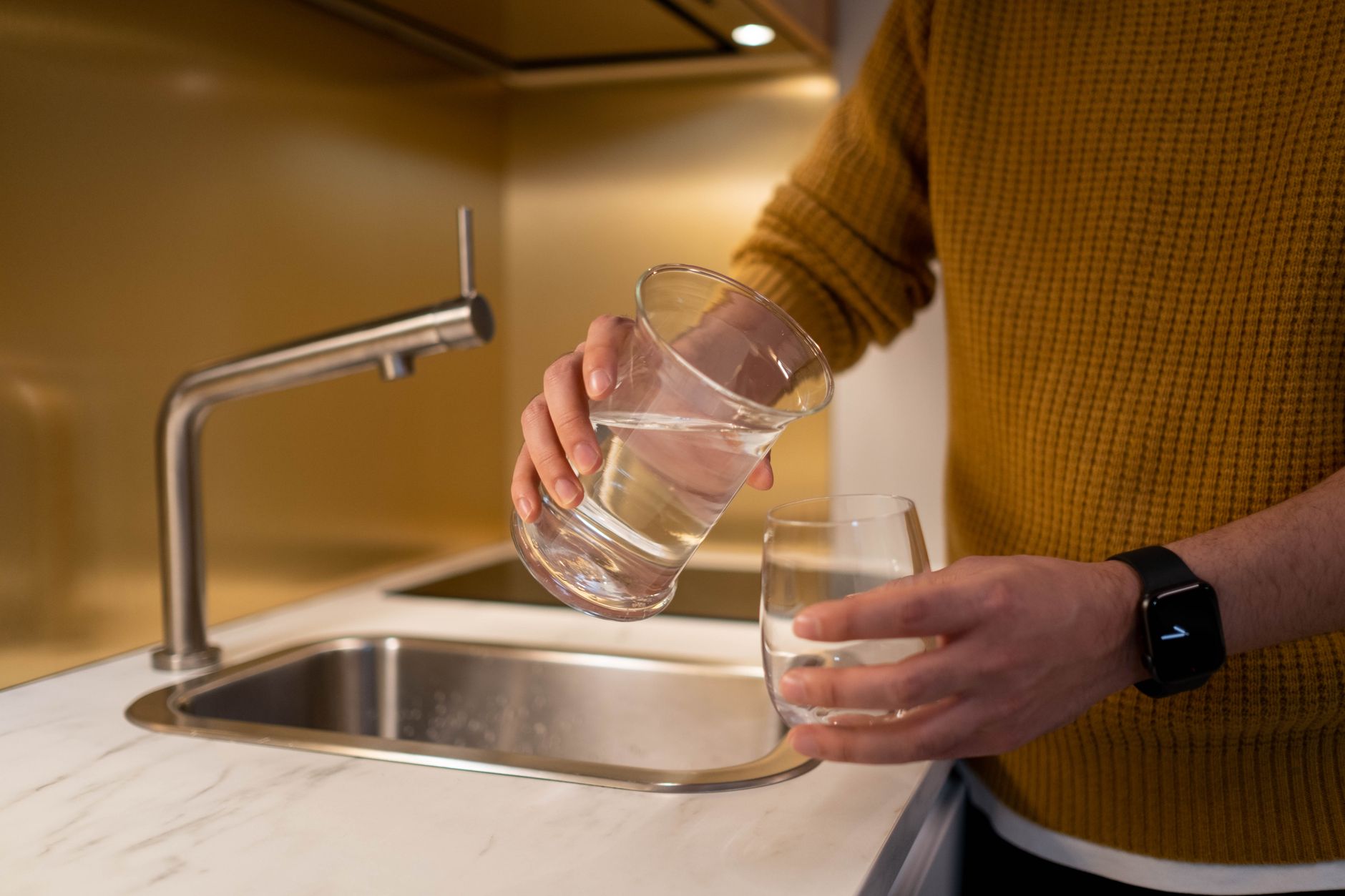
The simple act of turning on the tap and filling a glass of water is something many of us do without a second thought. But have you ever paused to wonder about the safety of that water? In India, where water sources can be diverse and infrastructure varies greatly, this question becomes even more pertinent. We're going to explore the complex world of tap water in India, examining its safety, the factors that influence it, and what you can do to ensure you're drinking water that's good for your health. Let's quench your thirst for knowledge!
Understanding Tap Water: More Than Just H2O
It’s a common misconception that safe-to-drink tap water is purely H2O. In reality, even the purest tap water can contain trace amounts of minerals and other substances. These are often present at levels considered safe for human consumption. Think of it like this: your body needs certain minerals, and water can be a source of some of them. For instance, in some countries, fluoride is intentionally added to tap water to help strengthen teeth and prevent decay. While not a universal practice in India, it highlights how water can be more than just a thirst quencher; it can be a carrier of beneficial elements.
However, this also means that tap water can contain other components. Some occur naturally, while others might be introduced during the treatment process. Understanding these components is key to understanding water safety.
Minerals: Friends or Foes?
Tap water can be a source of essential minerals like calcium, magnesium, and potassium. These minerals play vital roles in our body's functions, from bone health to nerve signalling. A quart of tap water might provide a small percentage of your daily requirement for these minerals. The exact mineral content can vary significantly depending on the original water source (river, lake, groundwater) and the treatment processes employed.
But what about taste? The dissolved minerals in water significantly influence its taste. High levels of iron, for example, might give your water a distinct metallic flavour. While often harmless, an unusual taste can sometimes be an indicator of other issues.
Contaminants: The Unwanted Guests
This is where the real concern about tap water safety often lies. Contaminants are substances that can make water unsafe for drinking. These can be broadly categorized:
- Microorganisms: These are tiny living things like bacteria, viruses, and parasites. They can enter the water supply through sewage contamination, animal waste, or inadequate treatment. Consuming water with these can lead to a range of illnesses, from mild stomach upset to severe infections.
- Chemicals: These can be naturally occurring or introduced through industrial pollution, agricultural runoff, or even household products. Examples include heavy metals like lead and arsenic, pesticides, herbicides, and industrial chemicals. Long-term exposure to certain chemicals can have serious health consequences.
- Physical Contaminants: This includes things like sediment, sand, or rust particles that can make water cloudy and unappealing, and sometimes indicate a problem with the pipes or treatment process.
The Indian Context: Challenges and Realities
India's water landscape is incredibly diverse. From the pristine Himalayan springs to the heavily populated plains and arid deserts, water sources differ dramatically. This diversity presents unique challenges for ensuring consistent water quality across the nation.
Varying Infrastructure and Treatment
The quality of tap water depends heavily on the infrastructure of the water supply system and the effectiveness of water treatment plants. In major metropolitan cities, there might be more advanced treatment facilities and regular monitoring. However, in smaller towns and rural areas, the infrastructure might be older, less maintained, or non-existent, leading to a higher risk of contamination.
The process of treating water usually involves several steps: coagulation, sedimentation, filtration, and disinfection. Disinfectants like chlorine are commonly used to kill harmful microorganisms. While these disinfectants are generally safe in the amounts used, their effectiveness can be compromised if the initial water quality is very poor, or if the distribution pipes are old and leaky.
The Role of Distribution Pipes
Even if water is perfectly treated at the source, it can become contaminated as it travels through the distribution network. Old, corroded pipes, particularly those made of lead or galvanized iron, can leach harmful substances into the water. Leaks in the pipes can also allow contaminants from the surrounding soil or sewage lines to enter the drinking water supply. This is a significant concern in many older urban areas.
Monsoon and Water Quality
India's monsoon season, while essential for replenishing water sources, can also pose a threat to water quality. Heavy rainfall can wash pollutants from the land into rivers, lakes, and groundwater. Flooding can overwhelm sewage systems, leading to contamination. This often results in an increase in waterborne diseases during and after the monsoon.
Assessing Tap Water Safety: What You Need to Know
So, how can you determine if the tap water in your home is safe to drink? It's not always straightforward, but here are key points to consider:
Local Water Quality Reports (Consumer Confidence Reports - CCRs)
In many countries, water suppliers are mandated to provide annual reports detailing the source and quality of the water. While this system might not be as widespread or standardized in India, it's worth inquiring with your local municipal water authority. Some larger cities may provide this information on their websites or through public notices. These reports can tell you about the levels of various substances found in your water and whether they meet regulatory standards.
Boil Water Advisories
Water authorities issue
Additional Medical Guidance
This section adds practical context and preventive advice to help readers make informed healthcare decisions. It is important to verify symptoms early, consult qualified doctors, and avoid self-medication for persistent health issues.
Maintaining healthy routines, following prescribed treatment plans, and attending regular checkups can improve outcomes. If symptoms worsen or red-flag signs appear, immediate medical evaluation is recommended.
Quick Checklist
Track symptoms and duration.
Follow diagnosis and treatment from a licensed practitioner.
Review medication side effects with your doctor.
Seek urgent care for severe warning signs.