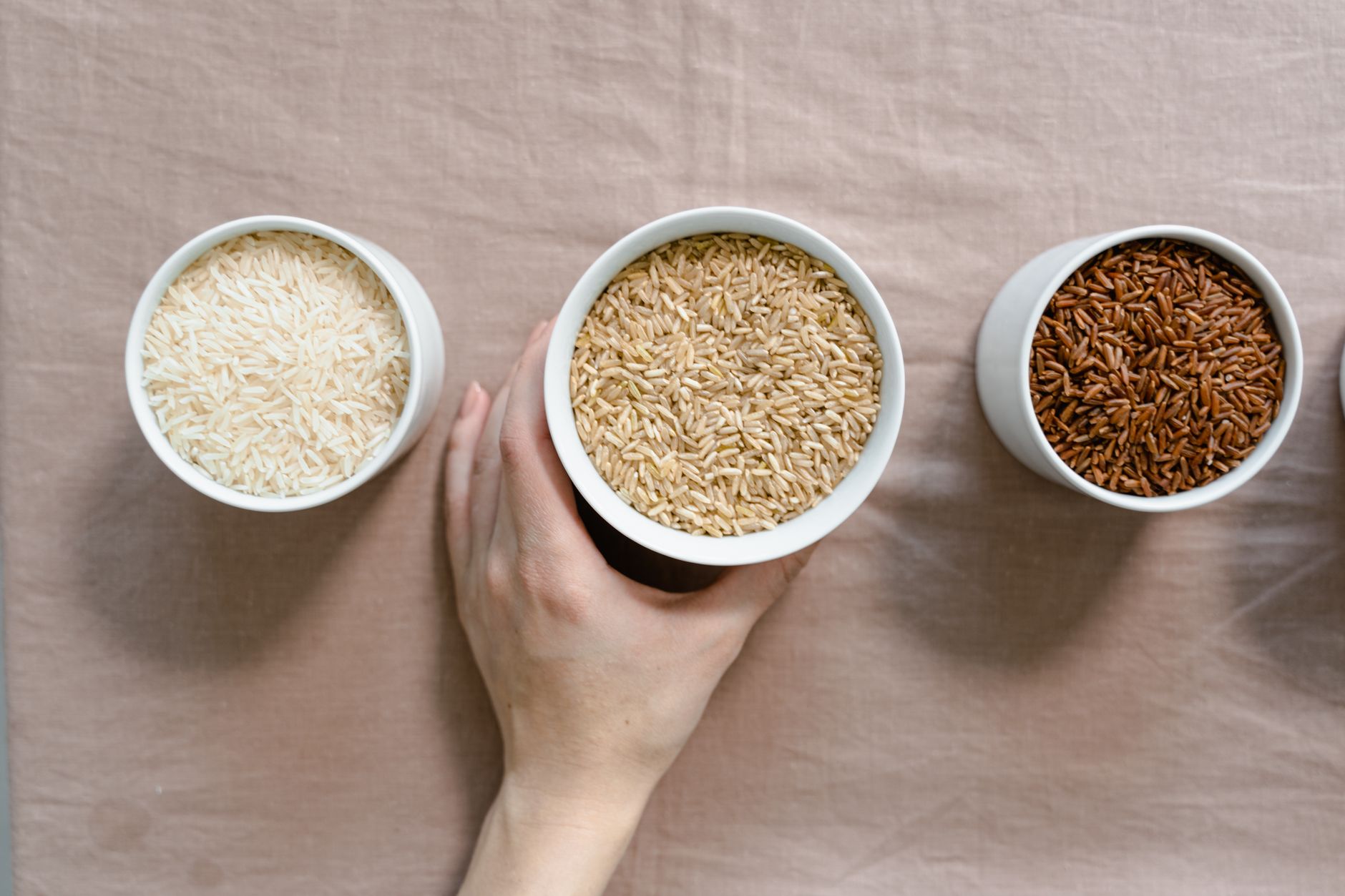
Understanding Irritable Bowel Syndrome (IBS) and Diet Irritable Bowel Syndrome (IBS) is a common gastrointestinal disorder that affects millions worldwide. It is characterized by a range of uncomfortable symptoms, including abdominal pain, bloating, gas, diarrhea, and constipation. For individuals living with IBS, managing their diet is often a cornerstone of symptom control. This involves understanding which foods can trigger flare-ups and which might offer relief. One such food that frequently comes up in discussions about IBS diets is white rice. This article delves into whether white rice is a suitable choice for those with IBS, exploring its benefits, potential drawbacks, and alternative options. What is IBS? Before we discuss diet, it's important to understand IBS itself. IBS is a functional gastrointestinal disorder, meaning there's a problem with how the gut works, but without any visible damage or structural abnormalities in the digestive tract. The exact cause of IBS is not fully understood, but it is believed to involve a combination of factors, including: Gut-brain interaction: Issues with the communication between the brain and the gut. Gut motility: Abnormal muscle contractions in the intestines. Visceral hypersensitivity: Increased sensitivity to pain and discomfort in the gut. Gut microbiota: Imbalances in the bacteria that live in the digestive system. Genetics and environment: Predisposition and external factors. The symptoms of IBS can vary significantly from person to person and can fluctuate over time. This variability makes managing IBS a personal journey, often requiring a tailored approach to diet and lifestyle. The Low FODMAP Diet and IBS A significant dietary approach for managing IBS is the low FODMAP diet. FODMAP stands for Fermentable Oligosaccharides, Disaccharides, Monosaccharides, and Polyols . These are short-chain carbohydrates that are poorly absorbed in the small intestine and can be rapidly fermented by bacteria in the large intestine. This fermentation process can lead to increased gas production, bloating, abdominal pain, and changes in bowel habits, particularly for individuals with IBS. A 2020 review highlighted that a low FODMAP diet is effective for managing IBS symptoms for a majority of individuals. The diet works by reducing the amount of fermentable carbohydrates reaching the large intestine, thereby decreasing gas and osmotic load (the amount of substances that draw water into the intestines). While beneficial, the long-term effects and potential risks of a strict low FODMAP diet require further research, and it is typically recommended to be followed under the guidance of a healthcare professional or a registered dietitian. Is White Rice a Good Option for IBS Flare-Ups? Yes, white rice is often considered a good option for calming IBS flare-ups. Here's why: Low FODMAP Content: White rice is naturally low in FODMAPs. Unlike whole grains that contain more fiber and complex carbohydrates, the processing of white rice removes much of its fiber and certain types of carbohydrates that can be problematic for sensitive guts. Ease of Digestion: Its simple carbohydrate structure makes white rice easy to digest. This means it is less likely to sit heavily in the stomach or ferment quickly in the intestines, reducing the chances of triggering symptoms like bloating and pain during a flare-up. Bland Nature: The mild flavor and texture of white rice make it a comforting and non-irritating food choice when the digestive system is highly sensitive. It provides a gentle source of energy without demanding a lot from the digestive system. During an IBS flare-up, the digestive system is particularly inflamed and sensitive. Opting for easily digestible, low-FODMAP foods like white rice can help to settle the stomach and provide necessary nourishment without exacerbating symptoms. It acts as a temporary measure to bring relief when symptoms are at their worst. Potential Drawbacks of Eating White Rice Too Often While white rice can be beneficial during IBS flare-ups, it's important to consider its limitations: Low in Nutrients and Fiber: The refining process that makes white rice easy to digest also strips away much of its natural fiber, vitamins, and minerals. Fiber is crucial for digestive health, and a diet consistently low in fiber can lead to other issues, such as constipation in the long run. High Glycemic Index: White rice has a relatively high glycemic index (GI), meaning it can cause a quicker and higher spike in blood sugar levels compared to low-GI foods. For individuals managing diabetes or those concerned about blood sugar regulation, this can be a significant consideration. Not a Long-Term Solution: Relying solely on white rice may not provide the balanced nutrition needed for overall health and may not address the underlying causes of IBS. Therefore, while white rice is a valuable tool for managing acute IBS symptoms, it should ideally be part of a varied and balanced diet when symptoms are under control. Can White Rice Help Prevent an IBS Flare-Up? White rice is primarily useful for managing symptoms during a flare-up rather than preventing them. Prevention of IBS flare-ups typically involves a broader strategy that includes: Identifying and Avoiding Triggers: This is a personalized process that may involve keeping a food diary to pinpoint specific foods or eating patterns that consistently cause symptoms. Maintaining a Balanced Diet: Incorporating a variety of nutrient-dense, low-FODMAP foods when symptoms are stable. Managing Stress: Stress is a well-known IBS trigger. Techniques like mindfulness, meditation, yoga, and cognitive behavioral therapy (CBT) can be very effective. Regular Exercise: Physical activity can help regulate bowel function and reduce stress. Adequate Sleep: Poor sleep can exacerbate IBS symptoms. While
In summary, timely diagnosis, evidence-based treatment, and prevention-focused care improve long-term health outcomes.