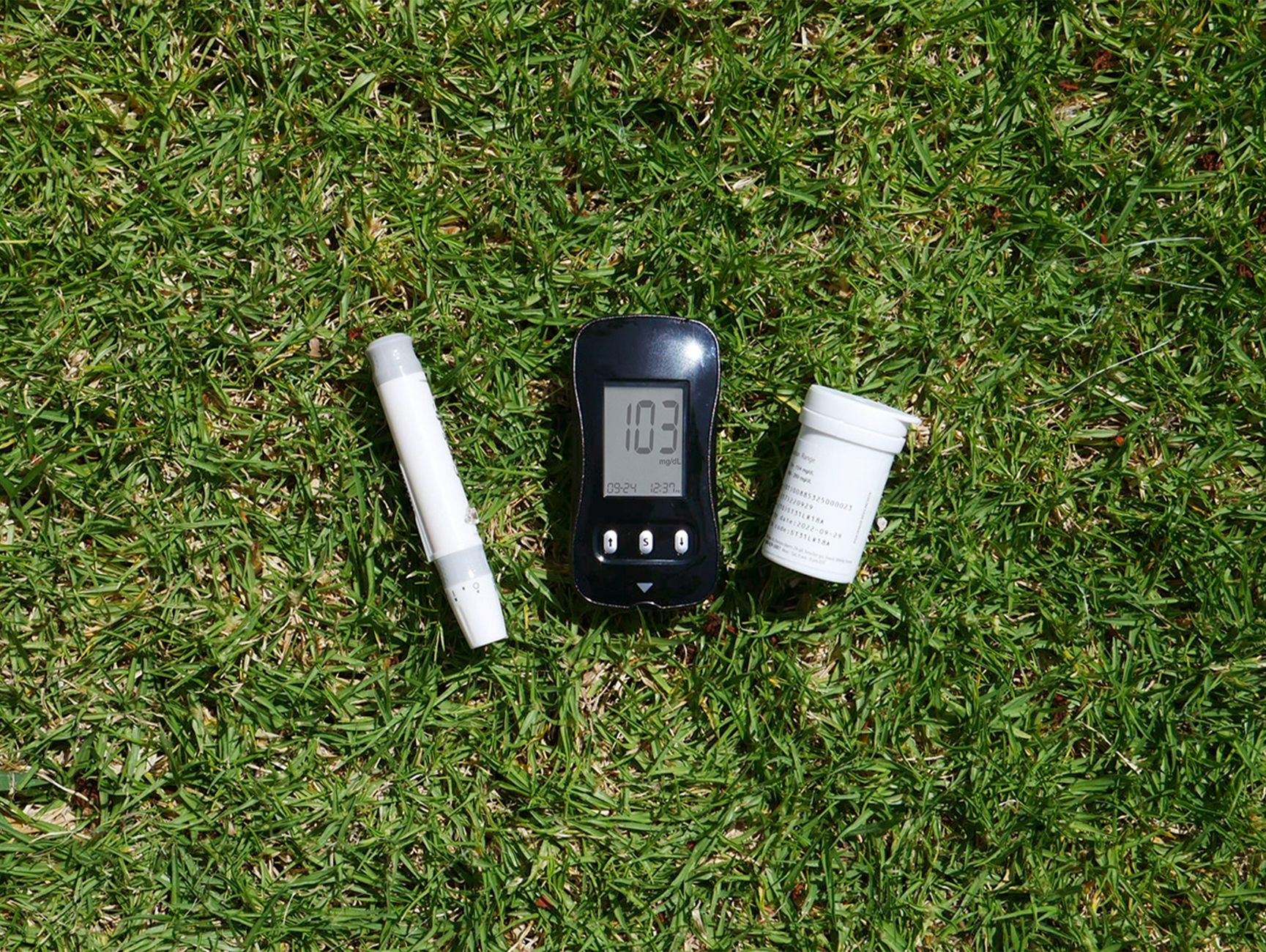
Understanding Ketotic Hyperglycemia: A Serious Complication of Diabetes Ketotic hyperglycemia is a medical condition characterized by elevated blood sugar levels, typically 250 mg/dL or higher, accompanied by the presence of ketones in both the blood and urine. This condition is a significant concern, particularly for individuals living with diabetes, as it can be a precursor to a more severe and life-threatening complication known as diabetic ketoacidosis (DKA). What is Ketotic Hyperglycemia? At its core, ketotic hyperglycemia signifies a state where the body is struggling to regulate blood glucose effectively. In individuals with diabetes, especially type 1 diabetes (T1D), the body may not produce enough insulin or may not be able to use insulin properly. Insulin is crucial for allowing glucose (sugar) from the bloodstream to enter cells for energy. When this process is impaired, blood sugar levels rise. Simultaneously, if the body's cells are deprived of glucose for energy, they begin to break down fat for fuel. This fat metabolism produces acidic byproducts called ketones. In ketotic hyperglycemia, these ketones accumulate in the blood and spill into the urine. While most commonly associated with type 1 diabetes, ketotic hyperglycemia can also occur in individuals with type 2 diabetes under certain circumstances. It's important to note that this is a relatively rare complication, and studies suggest it may be more prevalent in older adults with poorly controlled diabetes (indicated by high HbA1c levels, often 13% or higher). Symptoms of Ketotic Hyperglycemia Recognizing the symptoms of ketotic hyperglycemia is vital for prompt medical intervention. These symptoms can include: Increased thirst Frequent urination High blood sugar levels (above 250 mg/dL) Presence of ketones in urine and blood Nausea and vomiting Abdominal pain Fruity-smelling breath (due to ketones) Fatigue and weakness Confusion or difficulty concentrating Blurred vision or changes in eyesight Rapid breathing Dehydration If you are experiencing any of these symptoms, especially in conjunction with high blood sugar and moderate to high ketone levels that are not responding to your usual insulin regimen, it is crucial to seek medical advice immediately. Causes of Ketotic Hyperglycemia Several factors can trigger ketotic hyperglycemia in individuals with diabetes: Insulin Deficiency or Inadequacy: This is the primary driver. It can occur due to missed insulin doses, insufficient insulin dosage, or problems with insulin delivery systems like malfunctioning insulin pumps or continuous glucose monitors (CGMs). Illness or Infection: When the body is fighting an illness or infection, it releases stress hormones that can increase blood sugar levels and insulin resistance, exacerbating hyperglycemia. Expired Insulin: Using insulin that has passed its expiration date can reduce its effectiveness, leading to poor blood sugar control. Rationing Insulin: Some individuals may ration their insulin due to cost or availability issues, leading to inadequate insulin levels. Stress: Significant physical or emotional stress can trigger the release of hormones that raise blood sugar. Interestingly, in some rare cases, ketotic hyperglycemia can occur in individuals without a prior diabetes diagnosis, often linked to hyperthyroidism. Ketotic Hyperglycemia vs. Nonketotic Hyperglycemia It's important to distinguish ketotic hyperglycemia from regular, or nonketotic, hyperglycemia. People with diabetes frequently experience episodes of high blood sugar (hyperglycemia). When this occurs without the presence of ketones, it's termed nonketotic hyperglycemia. While still requiring management, nonketotic hyperglycemia is generally less immediately dangerous and easier to control if addressed promptly. Ketotic hyperglycemia, on the other hand, is more perilous because the presence of ketones indicates a more profound metabolic disturbance. The body's inability to efficiently clear these ketones and lower blood sugar levels quickly increases the risk of progressing to DKA. This progression can lead to severe dehydration, electrolyte imbalances, and potentially life-threatening complications like coma or death if not treated urgently. The Danger of Diabetic Ketoacidosis (DKA) When ketones build up to very high levels in the blood, the condition can escalate into diabetic ketoacidosis (DKA). DKA is a medical emergency that requires immediate hospitalization. Treatment typically involves intravenous (IV) insulin to lower blood sugar and ketone levels, fluid replacement to combat dehydration, and electrolyte correction. Without prompt and appropriate medical care, DKA can rapidly lead to a coma and can be fatal. Can You Have Ketosis Without High Blood Sugar? Yes, it is possible to be in a state of ketosis without having high blood sugar. This is often seen in individuals following ketogenic diets or during periods of prolonged fasting. In these scenarios, the body naturally shifts to using fat for energy, producing ketones. This type of ketosis is generally considered harmless and is a normal metabolic adaptation. The key difference lies in the simultaneous presence of significantly elevated blood sugar levels, which is the hallmark of ketotic hyperglycemia. Diagnosis of Ketotic Hyperglycemia The diagnosis of ketotic hyperglycemia is typically made based on: Blood Glucose Monitoring: Consistently high blood sugar readings (above 250 mg/dL). Urine and Blood Ketone Tests: The presence of moderate to high levels of ketones. Patient History: Information about diabetes status, recent illnesses, missed insulin doses, or other contributing factors. In some cases, further tests may be conducted to assess for complications or underlying causes. Treatment and Management The immediate goal in managing ketotic hyperglycemia is to lower blood sugar levels, eliminate ketones, and correct any dehydration or electrolyte imbalances. Treatment often involves: Insulin Therapy: Administering insulin, often intravenously in a hospital setting, to bring blood sugar and ketone levels down. Fluid Replacement: Intravenous fluids are crucial to rehydrate the body and help flush out ketones. Electrolyte Monitoring
In summary, timely diagnosis, evidence-based treatment, and prevention-focused care improve long-term health outcomes.