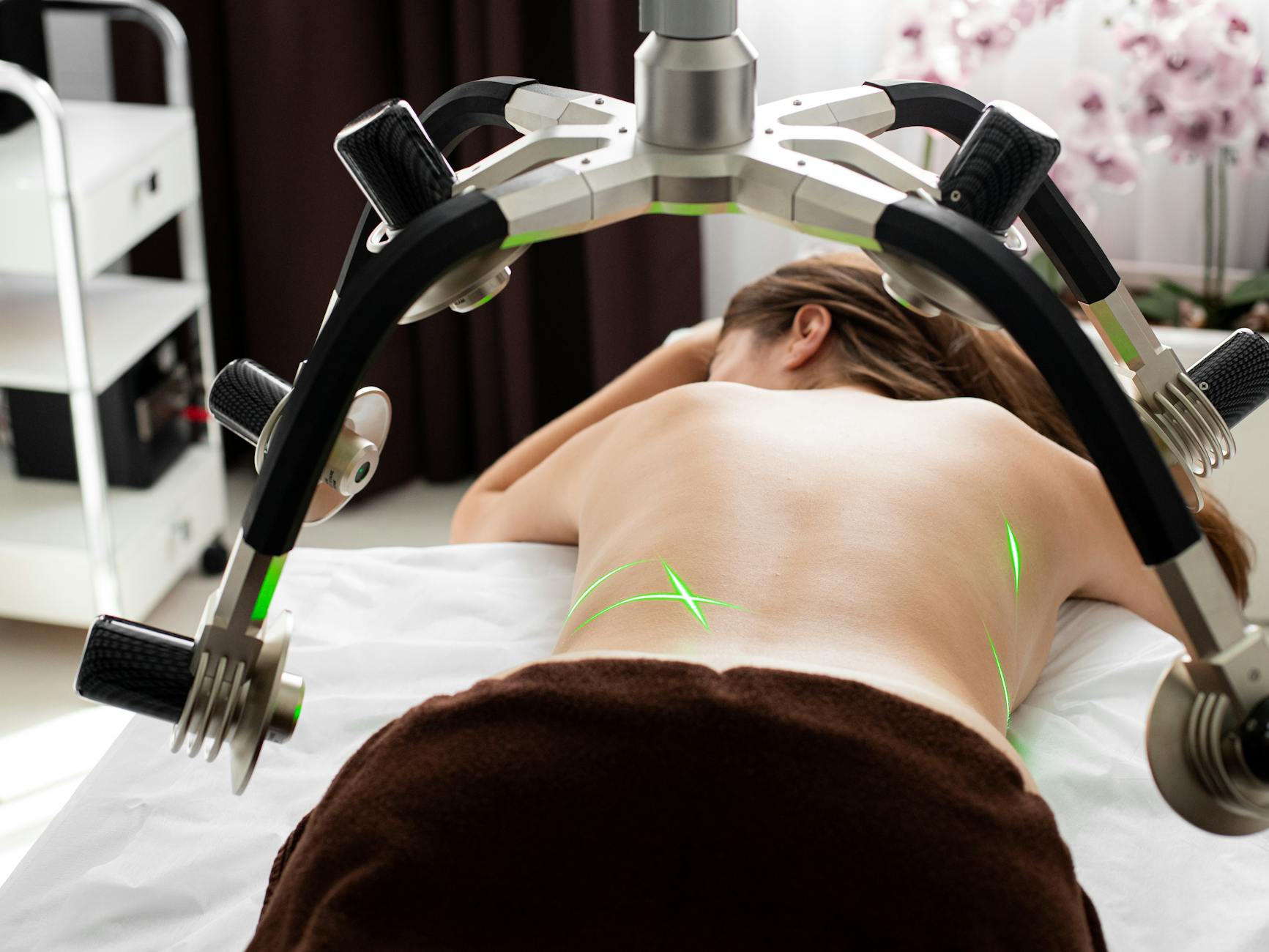
Eczema, a common skin condition that affects millions in India, can be a persistent and often frustrating ailment. Characterised by itchy, inflamed, and sometimes painful skin, it can significantly impact one's quality of life. While conventional treatments like topical creams and oral medications offer relief for many, some individuals find their eczema stubbornly resistant, persisting despite various therapeutic attempts. For these persistent cases, a beacon of hope shines through advanced medical technology: laser treatment. This article aims to demystify laser therapy for eczema, presenting a comprehensive guide tailored for our readers in India, exploring its mechanisms, benefits, potential drawbacks, and what to expect during the treatment journey.
Understanding Eczema and Treatment Challenges
Eczema, medically known as atopic dermatitis, is a chronic inflammatory skin disease. Its exact cause remains complex, often involving a combination of genetic predisposition, environmental triggers, and an overactive immune system. In India, with its diverse climate and lifestyle factors, eczema can manifest in various forms, from mild dryness and redness to severe, weeping lesions that can become infected. For many, the daily struggle involves managing itching, preventing flare-ups, and dealing with the emotional toll the condition can take. When standard treatments, including moisturizers, corticosteroid creams, and antihistamines, fall short, healthcare providers often explore alternative or advanced options. This is where the spotlight turns to phototherapy, and specifically, laser treatment.
What is Laser Treatment for Eczema?
Laser treatment for eczema falls under the umbrella of phototherapy, which essentially means using light to treat a medical condition. In this context, specific wavelengths of light, often ultraviolet (UV) light, are directed at the affected skin areas. The goal is to modulate the immune response in the skin, reduce inflammation, and alleviate the distressing symptoms of eczema, such as itching and redness. Unlike broad-spectrum UV light used in some traditional phototherapy units, lasers allow for more targeted and precise application of light energy. This precision can be particularly beneficial for treating localized patches of eczema or for individuals who may not tolerate systemic treatments well.
How Does Laser Therapy Work for Eczema?
The science behind laser therapy for eczema is rooted in its ability to influence the skin's immune cells and reduce inflammation. Here's a breakdown of the mechanisms:
- Immune Modulation: UV light, particularly from specific laser types like the excimer laser, can suppress the overactive immune cells in the skin that contribute to eczema flare-ups. This helps to calm the inflammatory process.
- Reduced Itching: Many patients report a significant reduction in itching after laser therapy sessions. This is thought to be due to the light's effect on nerve endings in the skin and its anti-inflammatory properties.
- Targeted Treatment: Lasers can deliver light energy directly to the affected areas, minimizing exposure to healthy skin. This precision makes it a valuable option for treating specific stubborn patches or when a large area needs treatment without affecting the entire body.
- Photobiomodulation: Laser therapy is a form of photobiomodulation, where light energy is absorbed by cells, leading to beneficial physiological effects. This can include promoting healing and reducing inflammation.
Types of Laser and Light Therapy for Eczema
While the term
Additional Medical Guidance
This section adds practical context and preventive advice to help readers make informed healthcare decisions. It is important to verify symptoms early, consult qualified doctors, and avoid self-medication for persistent health issues.
Maintaining healthy routines, following prescribed treatment plans, and attending regular checkups can improve outcomes. If symptoms worsen or red-flag signs appear, immediate medical evaluation is recommended.
Quick Checklist
Track symptoms and duration.
Follow diagnosis and treatment from a licensed practitioner.
Review medication side effects with your doctor.
Seek urgent care for severe warning signs.