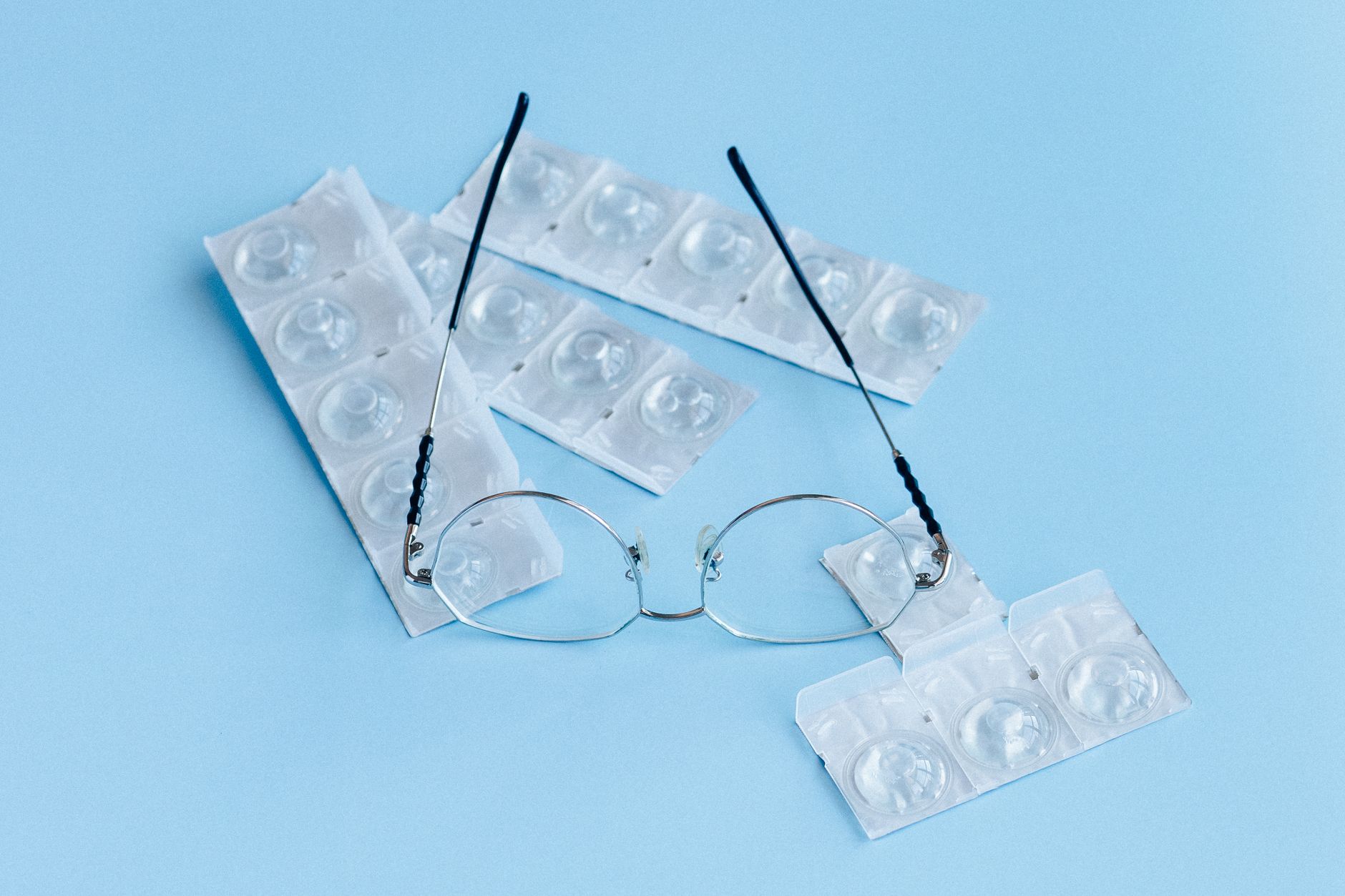
When it comes to vision correction, we often think of standard eyeglasses or contact lenses. However, there's a specialized type of lens that offers unique benefits for specific vision needs: the lenticular lens. While not as common as bifocals or progressives for everyday use, lenticular lenses play a significant role in correcting severe vision impairments and even contribute to fascinating visual effects in technology.
What Exactly Are Lenticular Lenses?
A lenticular lens is a type of corrective lens designed with a very high power. The term 'lenticular' itself comes from 'lenticula,' the Latin word for 'small lens.' Imagine it as a lens within a lens. Eyeglass manufacturers create a standard-sized lens and then integrate a smaller, higher-powered lens onto a specific area of it. When you look through this particular spot, your vision is corrected. This design is particularly useful for addressing conditions that require significant refractive power.
Think of it this way: regular eyeglass lenses can become quite thick and heavy when they need to correct severe farsightedness (hyperopia) or nearsightedness (myopia). Lenticular lenses offer a solution to this by concentrating the high-power correction into a smaller segment, thereby reducing the overall thickness and weight of the eyeglass. This makes them much more comfortable and practical to wear.
Lenticular Lenses and Familiar Designs
You might be surprised to learn that the principle behind lenticular lenses is the foundation for some familiar vision correction tools. Bifocal lenses, which allow you to see clearly at two different distances (usually for distance and reading), and trifocal lenses, which offer three distinct focal points, both utilize the concept of lenticular lenses. They essentially incorporate different powers in different parts of the lens to address varied visual needs.
Who Can Benefit from Lenticular Lenses?
Lenticular lenses are typically prescribed when standard lenses would be impractically thick or heavy. This often includes individuals with:
- Severe Farsightedness (Hyperopia): Difficulty seeing objects up close.
- Severe Nearsightedness (Myopia): Difficulty seeing objects far away.
- Cataracts: When the natural lens of the eye becomes cloudy. In cases where an artificial lens implant isn't possible or suitable, a lenticular lens can provide necessary correction.
Lenticular Lenses for Young People
Sometimes, eye doctors may recommend lenticular lenses for young individuals experiencing mild to moderate vision impairment early in life. This approach often involves a dual strategy: a contact lens to enhance overall vision and eyeglasses with lenticular lenses that act almost like a telescope, allowing clearer vision at a distance. This is generally not recommended for older individuals due to the potential for imbalance and dizziness.
Beyond Vision Correction: Lenticular Technology
The unique structure of lenticular lenses isn't just for improving sight. Lens manufacturers also employ lenticular technology for other fascinating applications, particularly in creating visual effects:
- 3-D Effects: By layering or strategically arranging lenticular lenses, it's possible to create a three-dimensional illusion for the viewer. This is commonly seen in lenticular printing, where an image appears to change or have depth when viewed from different angles. You might have seen this on novelty items or advertisements.
- Virtual Reality and Displays: Optics manufacturers utilize lenticular lenses in the creation of 3-D television screens and virtual reality (VR) headsets. These lenses help direct images to each eye separately, creating the perception of depth and immersion.
Potential Disadvantages and Considerations
While lenticular lenses offer significant advantages for those who need them, there can be a learning curve associated with their use. Because the high-power correction is concentrated in a specific area, users need to train themselves on where to look to optimize their vision.
- Visual Field Limitations: You need to consciously position your eyes to look through the correct part of the lens. This might mean adjusting your head position more than with standard lenses.
- Aesthetic Concerns: Although designed to reduce thickness, lenticular lenses can still be noticeable.
- Adaptation Period: It can take time to get used to looking through different parts of the lens for different distances.
What to Expect After Getting Lenticular Lenses
If you've been fitted with new eyeglasses featuring lenticular lenses, it's important to give yourself time to adapt. Your eye doctor will likely advise you on how to best use them.
Scenario: Mrs. Sharma recently got new glasses for her severe farsightedness. The lenses are much thinner than her old ones, but she finds herself tilting her head more than usual to read her newspaper. Her optician explained that she needs to learn to look slightly down and through the specific reading segment of her lenses.
If your vision doesn't feel right after a week or two, don't hesitate to follow up with the place where you purchased your glasses. Many optical practices offer a follow-up examination to ensure your new prescription is working well for you.
Cost of Lenticular Lenses
The cost of lenticular lenses can vary significantly depending on the prescription, materials, and any additional features. A standard bifocal lens might cost around ₹7,000-₹8,000 (approximately $105 USD), but lenses designed to correct more complex visual concerns, like those requiring lenticular designs for severe refractive errors or post-cataract surgery, can be considerably more expensive.
When to Consult an Eye Doctor
It's always best to consult an eye care professional if you experience any changes in your vision or have concerns about your current eyewear. Specifically, you should see an eye doctor if you notice:
- Sudden blurred vision or double vision.
- Difficulty seeing at specific distances that isn't corrected by your current glasses.
- Any pain, redness, or irritation in your eyes.
- If you're considering vision correction for severe refractive errors and want to explore all available options.
An eye examination can determine if lenticular lenses are the right solution for your vision needs.
Frequently Asked Questions (FAQ)
Are lenticular lenses the same as bifocals?
Lenticular lenses are the basis for bifocal and trifocal lenses. Bifocals and trifocals are types of lenses that use the lenticular principle to provide correction for multiple distances within a single lens. A true lenticular lens, however, is specifically designed for very high power corrections and often has a more pronounced segment for the high-power area.
Can lenticular lenses be made into contact lenses?
Yes, lenticular designs can be incorporated into contact lenses, especially for managing certain types of vision impairments. As mentioned earlier, a combination of lenticular eyeglasses and specialized contact lenses might be prescribed for some young patients.
Are lenticular lenses heavy?
While they are designed to be less thick and heavy than a standard lens with the same high power, lenticular lenses can still be heavier than conventional lenses due to the concentrated optical power. However, modern materials like high-index plastics can help mitigate this.
How long does it take to adjust to lenticular lenses?
The adjustment period varies from person to person. Some individuals adapt within a few days, while others may take a couple of weeks to get fully comfortable with looking through the specific power zones of the lens. Consistent use and following your eye doctor's advice are key.
Lenticular lenses are a specialized tool in the world of vision correction, offering powerful solutions for significant visual challenges. By understanding their design and benefits, individuals can have more informed discussions with their eye care providers about the best options for their unique vision needs.