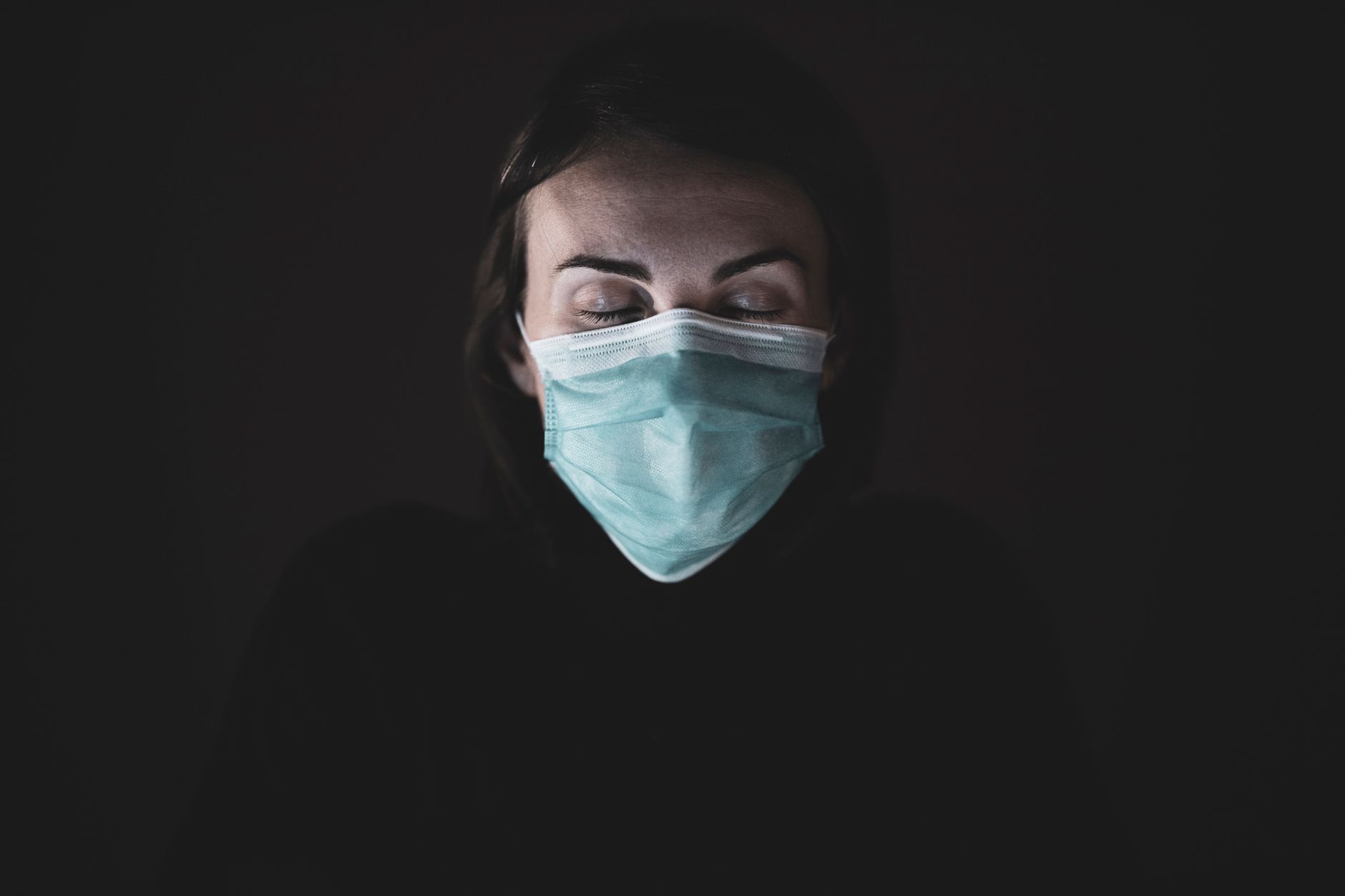
In recent times, the conversation around wearing masks has become more prominent than ever. While initially associated with specific professions or cultural practices, masks have now entered mainstream public health discussions, especially concerning the spread of respiratory viruses like the flu and COVID-19. But how effective are they, really? Let's explore the science behind mask-wearing and understand how it can be a valuable tool in protecting ourselves and our communities.
The question of whether masks truly prevent the spread of viruses has been a subject of scientific inquiry for years. However, a growing body of evidence suggests that masks can indeed play a significant role in reducing transmission, particularly when used correctly and in conjunction with other preventive measures.
Understanding How Viruses Spread
Respiratory viruses, such as influenza (the flu) and coronaviruses, primarily spread through respiratory droplets. These tiny droplets are expelled when an infected person coughs, sneezes, talks, or even breathes. When these droplets enter the eyes, nose, or mouth of another person, or when they land on surfaces that are then touched, the virus can infect a new host.
The Role of Masks in Preventing Transmission
Masks act as a physical barrier, helping to contain these virus-laden droplets. There are several types of masks, each offering different levels of protection:
- Cloth Masks: These are generally made from common fabrics and are best suited for general public use. They provide a basic level of source control, meaning they help reduce the number of droplets an infected person exhales.
- Surgical Masks: These disposable masks are typically made of a non-woven material and offer a better barrier than cloth masks. They are designed to protect both the wearer and others from larger droplets.
- Respirators (e.g., N95 Masks): These masks are designed to filter out very small particles from the air, including viruses. They fit snugly to the face, creating a seal that offers a high level of protection to the wearer. Healthcare professionals often use these when dealing with highly infectious diseases.
The effectiveness of a mask depends on several factors, including the type of mask, how well it fits, and how it is used. Studies have shown that masks can significantly reduce the number of virus-containing droplets expelled into the air by an infected person. For example, one study found that masks led to a more than threefold reduction in the amount of virus people sprayed into the air when they exhaled.
Masks and the Flu
During outbreaks like the swine flu in 2009 and more recently, the novel coronavirus, masks have been a visible part of public health strategies. Research, including studies involving thousands of schoolchildren, has indicated that wearing a mask can reduce the likelihood of developing seasonal influenza. When masks were combined with good hand hygiene, flu rates were observed to be even lower.
Masks and COVID-19
The Centers for Disease Control and Prevention (CDC) recommends that people wear face coverings or masks to cover their nose and mouth when in community settings. This recommendation is an additional public health measure to help curb the spread of COVID-19, complementing other vital actions like social distancing, frequent handwashing, and vaccination.
When is Masking Most Important?
Wearing a mask is particularly recommended in situations where maintaining physical distance is difficult, such as:
- In crowded indoor spaces like markets or public transport.
- When you are within 6 feet of other individuals.
- If you are feeling unwell and need to be around others, to protect them from potential exposure.
Proper Mask Usage: The Key to Effectiveness
Simply wearing a mask isn't enough; proper usage is crucial for maximum protection. Here's what you need to know:
- Coverage: Ensure the mask completely covers both your nose and mouth. A loose-fitting mask leaves gaps that allow virus particles to enter or escape.
- Fit: The mask should fit snugly against the sides of your face without any gaps.
- Avoid Touching: Refrain from touching your face, especially the front of the mask, while wearing it.
- Removal: When removing the mask, do so by the ear loops or ties. Avoid touching the front of the mask, as it may be contaminated.
- Hygiene: Wash your hands thoroughly with soap and water or use an alcohol-based hand sanitizer after removing the mask.
- Cleaning Cloth Masks: Wash cloth masks regularly with soap and water, preferably after each use.
Imagine this scenario: Priya is visiting her elderly mother, who has a weakened immune system. Priya has a slight cough, though she doesn't feel significantly unwell. To protect her mother, Priya wears a well-fitting surgical mask throughout her visit and practices frequent hand sanitization. This simple act significantly reduces the risk of her mother contracting any potential infection.
Who Should Avoid Certain Masks?
Certain individuals should exercise caution or avoid specific types of masks:
- Children under 2 years old should not wear masks due to the risk of suffocation.
- People who have trouble breathing or have certain medical conditions that impair breathing should consult a doctor before wearing a mask.
- Individuals who are unable to remove their own masks independently should also be supervised or use alternative protective measures.
Masks as Part of a Comprehensive Strategy
It's essential to remember that masks are just one part of a multi-layered approach to preventing the spread of respiratory viruses. They are most effective when combined with other preventive measures:
- Frequent Handwashing: Wash your hands thoroughly with soap and water for at least 20 seconds, especially after touching surfaces in public places or after removing your mask.
- Social Distancing: Maintain a physical distance of at least 6 feet (about 2 arms' length) from others, especially those who are not from your household.
- Vaccination: Stay up-to-date with recommended vaccinations, as they are a cornerstone of protection against many infectious diseases.
- Respiratory Etiquette: Cover your coughs and sneezes with a tissue or your elbow, and dispose of tissues properly.
Frequently Asked Questions (FAQs)
Can I reuse my mask?
Cloth masks can and should be washed regularly. Disposable masks (surgical masks and respirators) are generally intended for single use. Check the manufacturer's instructions for specific guidance.
Do masks protect against all viruses?
Masks are most effective against respiratory viruses that spread through droplets. Their effectiveness against airborne viruses can vary depending on the type of mask and its fit.
What is the best type of mask for general public use?
For general public use, a well-fitting cloth mask or a surgical mask offers a good balance of protection and comfort. N95 respirators are typically reserved for healthcare workers and those in high-risk environments.
When should I consult a doctor about mask-wearing?
Consult your doctor if you have underlying respiratory conditions that might be aggravated by mask-wearing, or if you experience discomfort or difficulty breathing while using a mask.
Incorporating mask-wearing into your routine, alongside other preventive habits, can be a powerful way to safeguard your health and the health of those around you. By understanding how masks work and using them correctly, you contribute to a healthier community for everyone.