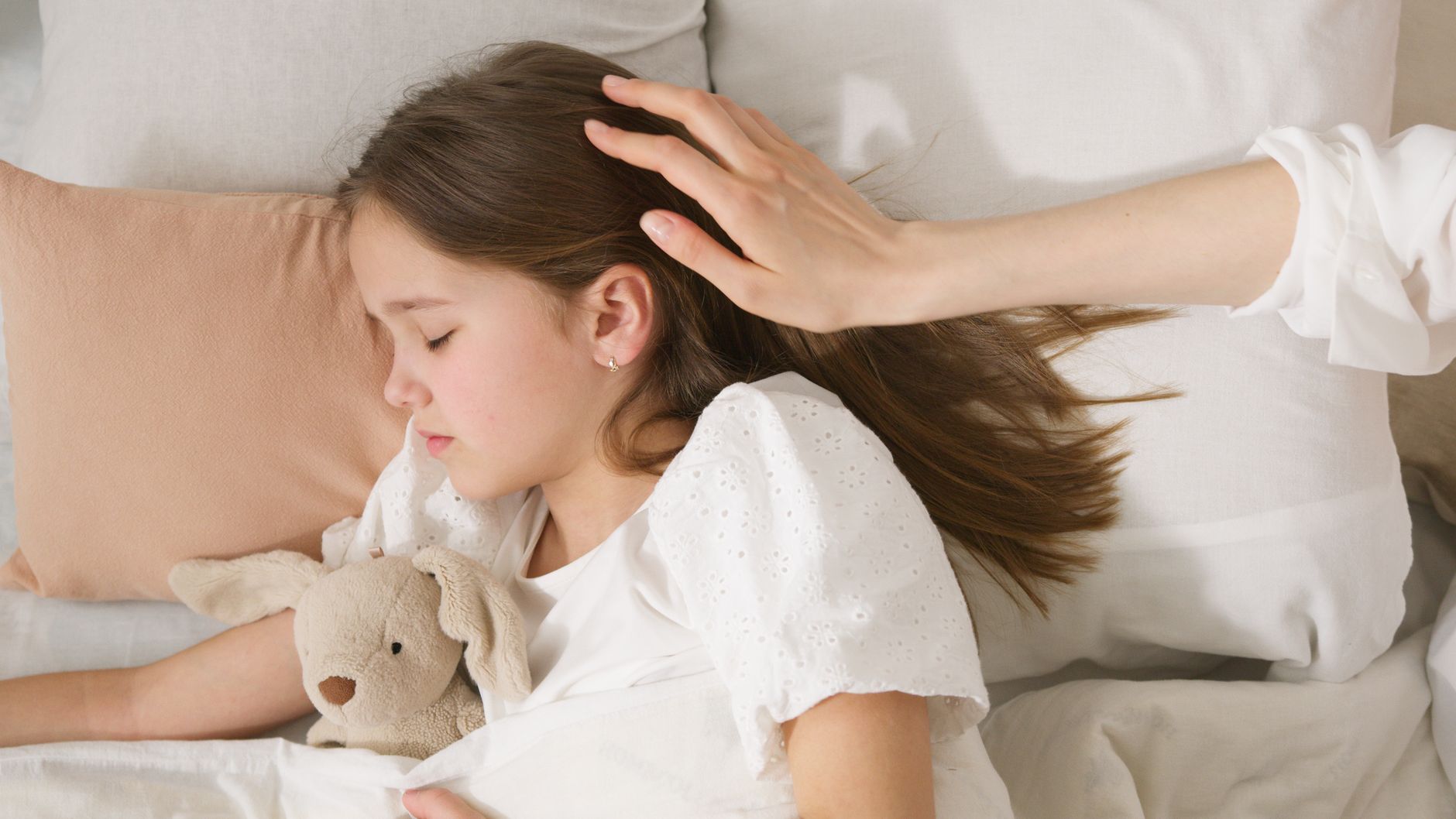
Narcolepsy is a chronic, lifelong sleep disorder that can be particularly challenging when it affects children. It’s characterized by overwhelming daytime sleepiness, often accompanied by sudden muscle weakness, vivid dreams, and sleep paralysis. The name itself, derived from Greek words meaning 'seized by sleep,' hints at the profound impact this condition can have on a child's life. Understanding narcolepsy in children is the first step towards effective management and ensuring they can lead fulfilling lives.
What is Narcolepsy?
Narcolepsy is not just occasional tiredness; it's a neurological disorder that affects the brain's ability to regulate sleep-wake cycles. While adults can experience narcolepsy, its onset in childhood or adolescence can be especially disruptive. The primary symptom is an irresistible urge to sleep during the day, often at inappropriate times. This can manifest as sudden “sleep attacks” that can last anywhere from a few seconds to several minutes. For children, this means struggling to stay awake during school, playtime, or even while eating.
Types of Narcolepsy
There are two main types of narcolepsy:
Type 1 Narcolepsy (Narcolepsy with Cataplexy)
This type is characterized by the loss of specific brain cells that produce hypocretin (also known as orexin). Hypocretin is a vital hormone that helps regulate wakefulness and sleep. The hallmark symptom of Type 1 narcolepsy is cataplexy. Cataplexy is a sudden, brief loss of muscle tone that can be triggered by strong emotions like laughter, surprise, or anger. This muscle weakness can range from a slight drooping of the eyelids to a complete collapse of the body, though the child remains conscious throughout the episode.
Type 2 Narcolepsy (Narcolepsy without Cataplexy)
In Type 2 narcolepsy, the cause is less clear, and individuals may still have hypocretin-producing brain cells. While they experience excessive daytime sleepiness, they do not typically exhibit cataplexy. Some individuals with Type 2 narcolepsy may develop cataplexy later on.
Secondary Narcolepsy
This less common form occurs as a result of damage to the hypothalamus, a part of the brain that plays a role in sleep regulation. This damage can be caused by injury, tumors, or other neurological conditions. Symptoms can overlap with Type 1 or Type 2 narcolepsy, often accompanied by other significant neurological issues.
Narcolepsy in Children: Symptoms to Watch For
Diagnosing narcolepsy in children can be particularly tricky. Many of its symptoms can be mistaken for common childhood issues like hyperactivity, moodiness, or simply not getting enough sleep. However, there are specific signs parents should be aware of:
- Excessive Daytime Sleepiness (EDS): This is the most prominent symptom. Children with narcolepsy struggle to stay awake during the day, even after a full night's sleep. They might appear drowsy, yawn frequently, or fall asleep suddenly during activities like reading, watching TV, or even during class.
- Cataplexy: As mentioned, this sudden muscle weakness, triggered by emotions, is a key indicator, especially for Type 1 narcolepsy. In children, it might manifest as brief slurred speech, jaw slackening, or knees buckling.
- Sleep Paralysis: This is a temporary inability to move or speak that occurs when waking up or falling asleep. It can be frightening for a child, making them feel paralyzed.
- Hallucinations: Children may experience vivid, dream-like hallucinations while falling asleep (hypnagogic) or waking up (hypnopompic). These can sometimes be mistaken for nightmares.
- Disrupted Nighttime Sleep: Despite excessive daytime sleepiness, children with narcolepsy often have fragmented and poor-quality sleep at night, waking up frequently.
- Behavioral Changes: The constant fatigue and sleep disruptions can lead to irritability, mood swings, difficulty concentrating, and even hyperactivity, which can be mistaken for ADHD.
It's important to remember that not all children with narcolepsy will experience every symptom. The severity and combination of symptoms can vary greatly.
Causes of Narcolepsy in Children
The exact cause of narcolepsy, particularly Type 2, remains somewhat elusive. However, research points to a combination of genetic and environmental factors. In Type 1 narcolepsy, the loss of hypocretin-producing neurons in the hypothalamus is a key factor. While the precise trigger for this loss is often unknown, an autoimmune response where the body's immune system mistakenly attacks these healthy cells is strongly suspected. Genetic predisposition also plays a role; while most cases are sporadic, a small percentage of individuals with narcolepsy have a close family member with the condition. Adolescents and teens are particularly susceptible to developing narcolepsy, with symptoms often beginning between the ages of 7 and 25.
Diagnosis: The Path to Understanding
Given the overlap of symptoms with other conditions, diagnosing narcolepsy in children requires a thorough medical evaluation. A doctor will likely:
- Take a Detailed Medical History: This includes discussing the child's sleep patterns, symptoms, and any emotional triggers for muscle weakness.
- Ask for a Sleep Journal: Parents will be asked to keep a detailed record of the child's sleep and wake times, naps, and any observed symptoms for one to two weeks. This helps track sleep-wake patterns and symptom frequency.
- Perform a Physical Examination: To rule out other underlying medical conditions.
- Conduct Blood Tests: To check for certain genetic markers (like the HLA-DQB1*06:02 gene, which is common in people with narcolepsy) and to rule out other conditions.
- Order Sleep Studies: These are essential for a definitive diagnosis.
- Polysomnography (PSG): This overnight sleep study monitors brain waves, eye movements, heart rate, and breathing to assess sleep stages and identify disruptions.
- Multiple Sleep Latency Test (MSLT): Conducted the day after a PSG, this test measures how quickly a child falls asleep during several short nap opportunities throughout the day. It helps quantify daytime sleepiness and identify rapid eye movement (REM) sleep onset, which is characteristic of narcolepsy.
The diagnostic process can sometimes take time, as symptoms may develop gradually and mimic other disorders.
Managing Narcolepsy in Children: Empowering Families
While there is currently no cure for narcolepsy, a combination of lifestyle adjustments, supportive strategies, and sometimes medication can significantly help children manage the condition and improve their quality of life. The goal is to help children stay alert, manage symptoms, and participate fully in daily activities.
Lifestyle Adjustments and Support
- Consistent Sleep Schedule: Establishing a regular bedtime and wake-up time, even on weekends, is paramount.
- Scheduled Naps: Short, planned naps (around 15-20 minutes) can help combat daytime sleepiness without causing grogginess.
- Healthy Diet: Avoiding heavy meals, caffeine, and alcohol, especially close to bedtime, can improve sleep quality.
- Regular Exercise: Moderate physical activity during the day can promote better sleep at night. However, strenuous exercise close to bedtime should be avoided.
- School Accommodations: Working with the school to implement accommodations like flexible schedules, permission for short naps, and a quiet place to rest can make a huge difference.
- Open Communication: Educating family members, friends, and teachers about narcolepsy helps foster understanding and provides a supportive environment for the child.
Medication
In some cases, medication may be prescribed to manage specific symptoms:
- Stimulants: Medications like methylphenidate or modafinil can help reduce daytime sleepiness.
- Antidepressants: Certain antidepressants may be used to manage cataplexy, sleep paralysis, and hallucinations.
It's vital that any medication is prescribed and closely monitored by a healthcare professional experienced in treating narcolepsy in children.
When to Consult a Doctor
If you notice persistent and excessive daytime sleepiness in your child, especially if it's accompanied by sudden muscle weakness, hallucinations, or sleep paralysis, it's time to seek medical advice. Don't dismiss these symptoms as just a phase or typical childhood tiredness. Early diagnosis and intervention are key to managing narcolepsy effectively and preventing it from significantly impacting your child's development and well-being. If your child's sleepiness is interfering with their school performance, social life, or overall happiness, a consultation with a pediatrician or a sleep specialist is highly recommended.
Living with Narcolepsy
Narcolepsy is a lifelong condition, but with proper understanding, diagnosis, and management, children can lead active and fulfilling lives. Open communication within the family and with healthcare providers, along with a supportive environment at school and home, are essential. Empowering children with knowledge about their condition helps them feel more in control and less alone. By addressing the challenges head-on, families can navigate the complexities of narcolepsy and help their children thrive.