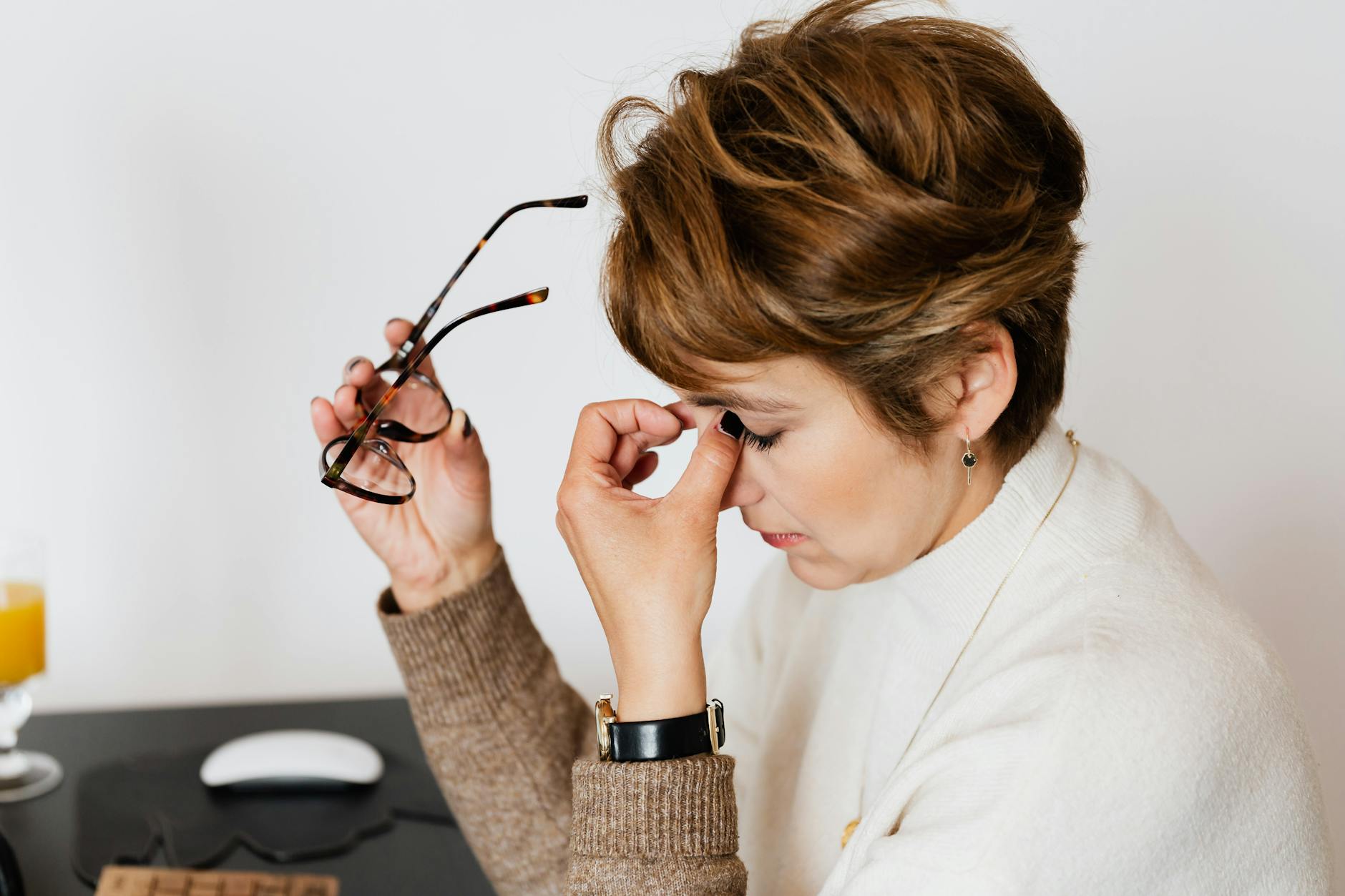
Every month, it's the same story for some of us. That time of the month arrives, and along with the usual cramps and mood swings, a pounding headache decides to join the party. It’s not just a mild annoyance; for many, it’s a debilitating pain that can completely derail their day. We're talking about headaches that strike during your period, and they often have a name: hormonal headaches or menstrual migraines. These aren't just random occurrences; they're closely tied to the dramatic ebb and flow of hormones that define a woman's menstrual cycle. But what exactly causes these headaches? And more importantly, how can you find relief? Let’s dive deep into the world of period headaches, explore the science behind them, and arm you with practical strategies to manage and prevent this unwelcome monthly visitor.
The menstrual cycle is a complex symphony of hormonal changes orchestrated by your body. Two key players in this orchestra are estrogen and progesterone. Estrogen, the primary female sex hormone, plays a vital role in regulating various bodily functions, including ovulation – the release of an egg from the ovary. Its levels typically rise mid-cycle, peaking around ovulation. Progesterone, another crucial hormone, prepares the uterus for a potential pregnancy after ovulation. Following ovulation, if pregnancy doesn't occur, both estrogen and progesterone levels begin to drop. It’s this significant decline, particularly the sharp fall in estrogen just before your period starts, that often acts as a trigger for headaches in susceptible women.
While the drop in hormones is the primary culprit, other factors can exacerbate or trigger these headaches. Dehydration is a common aggravator for any headache, and period headaches are no exception. Skipping meals can lead to low blood sugar, another known headache trigger. Stress, a constant companion for many, can also amplify hormonal fluctuations and increase headache susceptibility. Lack of sleep, poor sleep quality, and even certain foods can contribute to the onset or severity of these headaches.
Understanding the Difference: Hormonal Headache vs. Menstrual Migraine
While both hormonal headaches and menstrual migraines stem from fluctuating hormones, their intensity and impact on your daily life set them apart. Think of it as a spectrum of pain.
Hormonal Headaches
A hormonal headache is generally a milder affair. It might present as a persistent ache or a throbbing sensation, typically ranging from mild to moderate in intensity. While uncomfortable, it usually doesn't completely incapacitate you. You might be able to push through your day, albeit with some discomfort. These headaches can occur before, during, or even after your period, reflecting the ongoing hormonal shifts.
Menstrual Migraines
Menstrual migraines, on the other hand, are a whole different beast. They are a more severe form of headache, often characterized by intense, throbbing pain that can feel like it’s pulsing on one side of your head, and sometimes spreading to the other. The pain can be so severe that it makes it difficult to keep your eyes open, concentrate on tasks, or even think clearly. These migraines can be debilitating, forcing you to retreat to a dark, quiet room. A significant characteristic of menstrual migraines is that they often occur without an aura – those visual disturbances like flashing lights or zigzag lines that some people experience before a regular migraine attack. Approximately 60% of women experience menstrual migraines, highlighting how common yet impactful they are.
Symptoms to Watch For
Recognizing the signs is the first step towards managing your period headaches. While symptoms can vary from person to person, here are some common indicators:
- Pain Characteristics: Often described as throbbing or pulsing.
- Location: Typically starts on one side of the head, but can spread.
- Intensity: Can range from moderate to severe, impacting daily activities.
- Associated Symptoms (Migraine Specific): Nausea, vomiting, extreme sensitivity to light (photophobia), and extreme sensitivity to sound (phonophobia).
- Other Menstrual Symptoms: You might also experience typical period symptoms alongside your headache, such as bloating, fatigue, mood swings, and breast tenderness.
When Hormonal Changes Go Beyond Your Period
It’s important to remember that hormonal headaches aren't exclusive to menstruation. Fluctuations in hormones at other life stages can also trigger them:
- Menopause and Perimenopause: As hormone levels shift dramatically during these transitional phases, many women experience an increase in headaches.
- Pregnancy: Hormonal surges and shifts during pregnancy can also lead to headaches for some women.
- Hormone Therapy and Birth Control Pills: Changes in hormone levels due to medications like birth control pills or hormone replacement therapy can also be a trigger.
Diagnosis: Pinpointing the Cause
Diagnosing period headaches usually involves a thorough discussion with your doctor. They will likely ask about:
- Your headache patterns: When they occur, their intensity, duration, and any associated symptoms.
- Your menstrual cycle: The regularity of your periods, any irregularities, and symptoms you experience during your cycle.
- Your medical history: Including any history of migraines, other medical conditions, and medications you are taking.
Your doctor might also perform a physical and neurological examination to rule out other potential causes of headaches. In some cases, they may recommend keeping a headache diary to track patterns and triggers more effectively. This diary should include details about your menstrual cycle, food intake, sleep patterns, and stress levels.
Treatment Strategies: Finding Relief
Managing period headaches involves a combination of lifestyle adjustments, over-the-counter (OTC) medications, and, in some cases, prescription treatments.
1. Over-the-Counter Pain Relief
For mild to moderate headaches, OTC pain relievers can offer quick relief. Options include:
- NSAIDs (Nonsteroidal Anti-inflammatory Drugs): Ibuprofen (Advil, Motrin) and naproxen sodium (Aleve) are often effective because they reduce inflammation. It's best to take them at the first sign of a headache.
- Acetaminophen (Tylenol): A good alternative if you cannot take NSAIDs, though it doesn't have the same anti-inflammatory effect.
Important Note: Avoid overusing OTC pain relievers, as this can lead to medication-overuse headaches (rebound headaches).
2. Lifestyle Modifications and Home Remedies
These can make a significant difference in preventing and managing headaches:
- Stay Hydrated: Drink plenty of water throughout the day. Dehydration is a common headache trigger.
- Regular Meals: Don't skip meals. Maintaining stable blood sugar levels is key.
- Adequate Sleep: Aim for 7-9 hours of quality sleep each night. Maintain a consistent sleep schedule.
- Stress Management: Incorporate stress-reducing activities like deep breathing exercises, meditation, or gentle yoga.
- Cold Compress: Applying a cold pack to your forehead or the back of your neck for 10-15 minutes can help numb the pain and reduce inflammation.
- Warm Bath or Shower: Sometimes, warmth can relax tense muscles and ease headache pain.
3. Supplements and Nutritional Support
Certain vitamins and minerals have shown promise in reducing the severity and frequency of migraines. However, always talk to your doctor before starting any new supplements, especially if you are pregnant, breastfeeding, or taking other medications.
- Magnesium: Studies suggest magnesium may help reduce migraine frequency.
- Vitamin B2 (Riboflavin): High doses of B2 have been shown to be effective for migraine prevention.
- Coenzyme Q10 (CoQ10): This antioxidant may also play a role in reducing migraine attacks.
4. Prescription Medications
If OTC options and lifestyle changes aren't enough, your doctor may prescribe stronger medications:
- Triptans: These are specifically designed to treat migraines. They work by constricting blood vessels and blocking pain pathways in the brain.
- Ergots: Another class of migraine-specific drugs, though triptans are generally preferred due to fewer side effects.
- Preventive Medications: For frequent or severe migraines, your doctor might recommend daily medications to prevent them from occurring. These can include certain antidepressants, anti-seizure drugs, or blood pressure medications.
- Hormone Therapy: In some cases, especially for menstrual migraines, your doctor might suggest hormone therapy, such as estrogen patches or pills, to stabilize hormone levels during your period.
Prevention: Taking Proactive Steps
Prevention is always better than cure. Here’s how you can proactively reduce your chances of experiencing period headaches:
- Track Your Cycle: Use a calendar or an app to note your period dates and any headaches you experience. This helps identify patterns.
- Consistent Routine: Maintain a regular sleep schedule, eat balanced meals at consistent times, and stay hydrated.
- Gentle Exercise: Regular physical activity can help regulate hormones and reduce stress, but avoid overexertion, which can sometimes trigger headaches.
- Identify and Avoid Triggers: Pay attention to foods, smells, or situations that seem to precede your headaches and try to avoid them. Common triggers can include certain cheeses, processed meats, alcohol, and strong perfumes.
- Mindfulness and Relaxation Techniques: Practice daily relaxation techniques to manage stress levels.
When to Consult a Doctor
While occasional headaches are normal, you should seek medical advice if:
- Your headaches are severe and debilitating, significantly impacting your quality of life.
- Your headache pattern changes suddenly.
- You experience new symptoms along with your headache, such as fever, stiff neck, confusion, visual changes, or weakness.
- Over-the-counter medications are not providing relief.
- You are pregnant or breastfeeding and experiencing severe headaches.
- You suspect your headaches are related to your menstrual cycle and want a personalized management plan.
Don't let period headaches dictate your month. By understanding their causes and exploring the various treatment and prevention strategies, you can take control and reclaim your well-being. Your body is sending you signals; listen to them, and seek the support you need for a more comfortable and pain-free cycle.
Disclaimer: This information is for general knowledge and informational purposes only, and does not constitute medical advice. It is essential to consult with a qualified healthcare professional for any health concerns or before making any decisions related to your health or treatment.