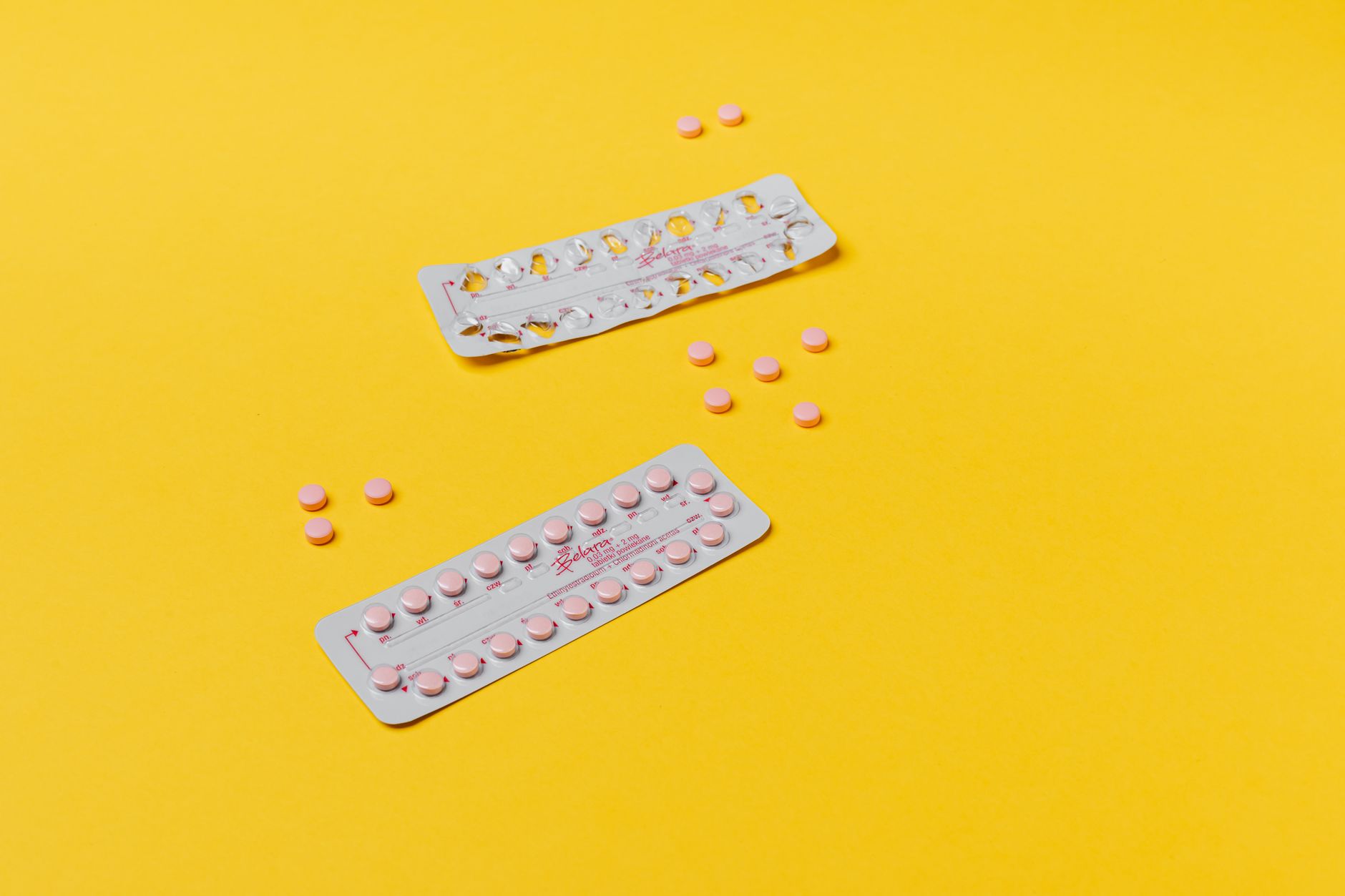
Understanding Plan B: Emergency Contraception Explained for Indian Women
Life can throw curveballs, and sometimes, despite our best intentions, unprotected sex happens. In India, like in many parts of the world, understanding emergency contraception options is vital for reproductive health and well-being. Plan B, often referred to as the 'morning-after pill,' is a widely recognized method. But what exactly is it? How does it work? And critically, when and how should you use it? This guide aims to provide clear, practical, and empathetic information tailored for Indian readers, demystifying Plan B and other similar emergency contraceptives.
What is Plan B?
Plan B is a type of emergency contraception (EC). Think of it as a backup plan, not a regular birth control method. Its primary purpose is to prevent pregnancy after unprotected intercourse has occurred. It is not an abortion pill; it cannot end an existing pregnancy. Its effectiveness lies in preventing a pregnancy from starting in the first place.
How Does Plan B Work?
Plan B contains a synthetic hormone called levonorgestrel. This is a progestin, a hormone that plays a key role in the female reproductive system. When taken, levonorgestrel works primarily by delaying or preventing ovulation. Ovulation is the process where an ovary releases an egg. If an egg is not released, sperm cannot fertilize it, and thus, pregnancy cannot occur. In some cases, levonorgestrel might also work by thickening cervical mucus, making it harder for sperm to reach the egg. It's important to understand that Plan B is most effective when taken before ovulation has occurred.
When Should You Consider Using Plan B?
Emergency contraception like Plan B is intended for specific situations. These include:
- When a condom breaks or slips off during intercourse.
- If you had sexual intercourse without using any form of contraception.
- If your regular birth control method failed, for example, if you missed taking your birth control pills.
- In cases of sexual assault, where emergency contraception can be a crucial step in preventing an unwanted pregnancy.
It's a safety net, a way to regain control when contraception plans go awry.
Effectiveness and Timing: The Sooner, The Better!
The effectiveness of Plan B is highly dependent on when you take it. Generally, it's recommended to take it as soon as possible after unprotected sex. While it can be taken up to 120 hours (5 days) after intercourse, its effectiveness significantly decreases over time. It is most effective when taken within the first 72 hours (3 days). Studies suggest that taking levonorgestrel pills within 72 hours can reduce the chance of pregnancy by 75% to 89%. Remember, this is not a guarantee, but it significantly lowers the odds.
Plan B vs. Other Emergency Contraceptives: Ella and Generic Options
Plan B is not the only option available. Another common emergency contraceptive is Ella (ulipristal acetate). Ella works slightly differently; it primarily delays ovulation and may be more effective for some individuals. It's also taken within 120 hours (5 days) of unprotected sex. It's crucial to note that you should avoid taking a levonorgestrel pill (like Plan B) and Ella within 5 days of each other, as they can counteract each other's effects.
When it comes to cost, brand-name medications like Plan B can be more expensive than their generic counterparts. Generic levonorgestrel pills are available and function in the exact same way. Choosing a generic option can be a more budget-friendly choice without compromising on effectiveness.
Weight and Effectiveness: What You Need to Know
There's ongoing discussion and research regarding the effectiveness of emergency contraception in individuals with higher body weight. While there isn't an official weight limit for Plan B, some older research suggests that levonorgestrel pills might be less effective in people weighing 165 pounds (approx. 75 kg) or more, or those with a BMI of 30 or higher. For individuals in this weight range, alternative options like Ella might be considered, though Ella's effectiveness can also be impacted at very high weights (over 195 pounds or approx. 88 kg). It's always best to have a conversation with a healthcare provider about the most suitable option for you, regardless of weight.
Potential Side Effects of Plan B
Like any medication, Plan B can have side effects. Most are temporary and mild. Common side effects include:
- Changes in your menstrual cycle (your next period might be early, late, heavier, or lighter).
- Nausea or vomiting.
- Headache.
- Dizziness.
- Fatigue.
- Breast tenderness.
If you vomit within 2 hours of taking Plan B, it's essential to consult a healthcare professional. You might need to take another dose because your body may not have absorbed the medication properly.
Interactions with Other Medications
Certain medications and supplements can reduce the effectiveness of Plan B. It's vital to inform your doctor or pharmacist if you are taking any of the following:
- Certain medications for epilepsy or seizures (e.g., carbamazepine, phenytoin, topiramate).
- Certain HIV medications (e.g., protease inhibitors, non-nucleoside reverse transcriptase inhibitors).
- Antifungal medications (e.g., griseofulvin).
- Certain sedatives (e.g., barbiturates).
- Medications for high blood pressure in the lungs (e.g., bosentan).
If you are on any of these medications, discuss with your healthcare provider about the best emergency contraception strategy for you. Even if interactions are possible, taking Plan B might still be beneficial, so don't hesitate to seek advice.
Can You Use Plan B More Than Once?
Plan B is designed for emergency use only. It is not a substitute for regular, ongoing contraception. While it is generally considered safe to take Plan B more than once in a single menstrual cycle or year, it's not ideal. Frequent use might lead to more irregular menstrual cycles and doesn't offer the same level of protection as consistent birth control methods. If you find yourself needing emergency contraception repeatedly, it's a strong signal to discuss long-term, reliable birth control options with your doctor.
Important Considerations for Indian Readers
Accessing emergency contraception in India is becoming easier. Plan B and generic versions are often available at pharmacies without a prescription. However, the availability and specific brand names might vary. It's always a good idea to:
- Know your cycle: Understanding your menstrual cycle helps in assessing the potential risk of pregnancy after unprotected sex.
- Consult a pharmacist: Pharmacists can be a valuable source of information regarding availability and usage.
- Talk to a doctor: For personalized advice, especially if you have underlying health conditions or are on other medications, consulting a doctor is the best approach. They can guide you on the most suitable EC option and discuss regular contraception methods.
- Confidentiality: Rest assured that discussions about reproductive health are confidential.
When to Consult a Doctor Immediately
While Plan B is generally safe, seek medical attention if:
- You vomit within 2 hours of taking the pill.
- You experience severe abdominal pain.
- You have signs of an allergic reaction (rash, itching, swelling, severe dizziness, trouble breathing).
- Your next period is more than a week late after taking Plan B.
- You suspect you might already be pregnant.
Frequently Asked Questions (FAQ) about Plan B
Q1: Is Plan B an abortion pill?
A: No, absolutely not. Plan B is an emergency contraceptive that works by preventing or delaying ovulation. It does not terminate an existing pregnancy.
Q2: Can I get pregnant immediately after taking Plan B?
A: Plan B does not prevent future pregnancies. If you have unprotected sex again after taking Plan B, you could become pregnant. It's essential to use a reliable form of contraception for ongoing protection.
Q3: How soon after unprotected sex can I take Plan B?
A: You can take Plan B up to 120 hours (5 days) after unprotected sex, but it is most effective when taken within the first 72 hours (3 days).
Q4: What if my period is late after taking Plan B?
A: It's common for Plan B to cause slight changes in your menstrual cycle. However, if your period is more than a week late, it's advisable to take a pregnancy test and consult a healthcare provider.
Q5: Can Plan B be used as regular birth control?
A: No. Plan B is intended for emergency situations only. It is not a reliable method for ongoing birth control.
In Conclusion
Understanding emergency contraception like Plan B is a vital part of responsible sexual health. It offers a crucial safety net when regular contraception methods fail or are not used. Remember that timing is key, and consulting with a healthcare professional or pharmacist can provide personalized guidance. By staying informed, you empower yourself to make the best decisions for your reproductive health.
Additional Medical Guidance
This section adds practical context and preventive advice to help readers make informed healthcare decisions. It is important to verify symptoms early, consult qualified doctors, and avoid self-medication for persistent health issues.
Maintaining healthy routines, following prescribed treatment plans, and attending regular checkups can improve outcomes. If symptoms worsen or red-flag signs appear, immediate medical evaluation is recommended.
Quick Checklist
Track symptoms and duration.
Follow diagnosis and treatment from a licensed practitioner.
Review medication side effects with your doctor.
Seek urgent care for severe warning signs.