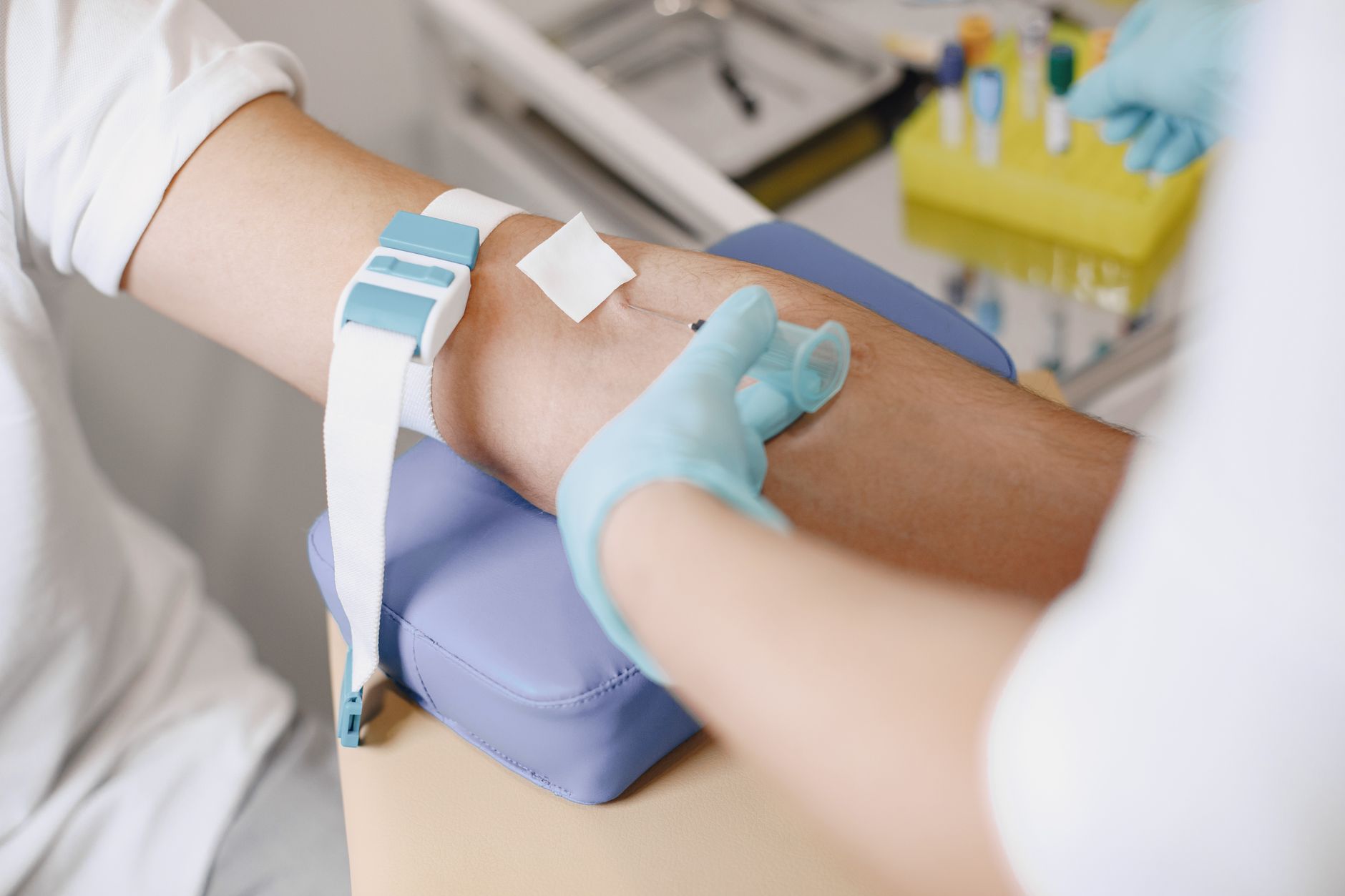
Understanding Plasma Transfusions: A Lifesaving Procedure Plasma, the liquid component of your blood, plays a crucial role in maintaining overall health. It constitutes about 55% of your blood and carries essential substances like proteins, electrolytes, and antibodies. When the body's own plasma is insufficient or compromised, a plasma transfusion can be a life-saving intervention. This procedure involves transferring plasma from a donor into a recipient's bloodstream to restore vital functions, particularly blood volume and clotting ability. What is Plasma and Why is it Important? Plasma is a straw-colored liquid that makes up the largest portion of your blood. It's primarily composed of water, but it also contains vital proteins, including albumin, globulins, and clotting factors. These components are essential for various bodily functions: Blood Clotting: Plasma contains proteins like fibrinogen, which are critical for stopping bleeding by forming clots. Immune Function: Antibodies, also found in plasma, are proteins that help the body fight off infections and diseases. Nutrient and Waste Transport: Plasma acts as a medium to transport nutrients, hormones, and waste products throughout the body. Maintaining Blood Pressure: The proteins in plasma help regulate the osmotic pressure of the blood, which is essential for maintaining blood volume and blood pressure. When these functions are impaired due to illness, injury, or certain medical conditions, a plasma transfusion may be necessary. When is a Plasma Transfusion Needed? Plasma transfusions are typically reserved for serious medical situations where the body's ability to clot blood is compromised or when there's a significant loss of blood volume. Common reasons for needing a plasma transfusion include: 1. Bleeding Disorders and Clotting Deficiencies: Hemorrhagic Shock: This occurs when a person loses a large amount of blood, leading to a dangerous drop in blood pressure. Plasma helps restore blood volume and pressure. Disseminated Intravascular Coagulation (DIC): A complex condition where widespread clotting and bleeding occur simultaneously. Plasma transfusions can help replenish clotting factors. Liver Disease: The liver produces many clotting factors. Severe liver disease can impair this function, necessitating plasma transfusions. Vitamin K Deficiency: Vitamin K is essential for the production of certain clotting factors. Severe deficiency can lead to bleeding issues. Inherited Clotting Disorders: Conditions like hemophilia, although often managed with specific factor concentrates, may sometimes require plasma in emergencies. 2. Trauma and Major Surgery: In cases of severe trauma or extensive surgery, significant blood loss can occur. Plasma transfusions help to replace lost blood volume and essential clotting factors, aiding in recovery and preventing complications. 3. Burn Injuries: Extensive burns can lead to a loss of plasma from the damaged skin, resulting in reduced blood volume and impaired clotting. Plasma transfusions are crucial in managing fluid balance and preventing shock in burn patients. 4. Sepsis and Severe Infections: In severe infections like sepsis, the body's clotting system can become dysregulated. Plasma transfusions may be used to support clotting function and manage complications. 5. Reversal of Anticoagulant Medications: In certain emergency situations, such as major bleeding while on blood-thinning medications like warfarin, plasma transfusions can be used to provide clotting factors and help reverse the effects of the medication. The Plasma Transfusion Procedure: What to Expect A plasma transfusion is a medical procedure performed in a hospital setting, typically in an emergency room, intensive care unit, or a specialized transfusion center. The process is similar to a standard blood transfusion: Preparation: Before the transfusion, a healthcare professional will explain the procedure to you and obtain your consent. They will likely draw a small blood sample to confirm your blood type and ensure compatibility with the donor plasma. An intravenous (IV) line will be inserted into a vein, usually in your arm or hand. The Transfusion: Frozen plasma is thawed in a controlled water bath before administration. The thawed plasma is then connected to the IV line. The plasma will slowly infuse into your bloodstream over a period of 1 to 4 hours, depending on the amount of plasma needed and your medical condition. Throughout the transfusion, your vital signs, including blood pressure, heart rate, and temperature, will be closely monitored by the healthcare team. During and After: You may feel a slight coolness as the plasma enters your body. It's important to communicate any discomfort, itching, chills, or shortness of breath to your healthcare provider immediately. After the transfusion is complete, the IV line will be removed, and you will continue to be monitored for a period to ensure there are no adverse reactions. Risks and Side Effects of Plasma Transfusion While plasma transfusions are generally safe and life-saving, like any medical procedure, they carry a small risk of complications. The risks are significantly reduced due to rigorous screening and testing of donor plasma. Potential side effects include: Allergic Reactions: Mild reactions can include itching or hives. Severe reactions are rare but can involve difficulty breathing. Fever: A slight increase in body temperature can occur. Transfusion-Associated Circulatory Overload (TACO): This can happen if the transfusion is given too quickly, leading to fluid overload in the circulatory system, especially in individuals with heart or kidney conditions. Symptoms include shortness of breath and high blood pressure. Transfusion-Related Acute Lung Injury (TRALI): A rare but serious complication where antibodies in the donor plasma react with the recipient's white blood cells, causing lung inflammation and breathing difficulties. Infection Transmission: Although extremely rare due to stringent screening, there is a theoretical risk of transmitting infections like HIV, hepatitis, or syphilis. Soreness or Bruising: Discomfort, bruising, or pain at the IV insertion site is common. Individuals with pre-existing cardiopulmonary disease or systemic inflammation may be at a slightly higher risk for certain side effects. Blood Types and Plasma Transfusions Blood type compatibility is crucial for plasma transfusions, though it differs slightly from red blood cell transfusions. The key factor is the presence of antibodies in the plasma. Type AB plasma is considered the universal donor for plasma because it contains neither anti-A nor anti-B antibodies. It can be safely transfused to individuals of any blood type. Type O plasma contains both anti-A and anti-B antibodies, so it can only be given to individuals with Type O blood. Type A plasma contains anti-B antibodies and can be given to Type A or Type AB individuals. Type B plasma contains anti-A antibodies and can be given to Type B or Type AB individuals. Healthcare providers will ensure that the donor plasma is compatible with the recipient's blood type to minimize the risk of adverse reactions. Plasma Donation: How It Works Plasma can be donated directly through a process called plasmapheresis, or it can be separated from whole blood donations. In a plasma-only donation (plasmapheresis), blood is drawn from the donor, passed through a centrifuge that separates the plasma, and then the red blood cells and other components are returned to the donor. This process allows for the collection of larger volumes of plasma more frequently than whole blood donation. Plasma Transfusions and COVID-19 During the COVID-19 pandemic, convalescent plasma (plasma from individuals who have recovered from the infection) was explored as a potential treatment. While research showed some potential benefits for critically ill patients, the World Health Organization (WHO) has stated that there are no proven benefits of plasma transfusions for non-severe COVID-19 cases. Ongoing research continues to evaluate its efficacy in specific severe scenarios. When to Consult a Doctor A plasma transfusion is a critical medical intervention initiated by healthcare professionals in response to specific, serious conditions. You would typically not seek a plasma transfusion directly. Instead, if you experience symptoms such as severe bleeding, unexplained bruising, prolonged clotting times, or signs of shock (dizziness, rapid heart rate, confusion), it is crucial to seek immediate medical attention by going to the nearest emergency room or calling for an ambulance. Your doctor will assess your condition and determine if a plasma transfusion is necessary as part of your treatment plan. Frequently Asked Questions (FAQ) Q1: Is plasma transfusion painful? The procedure itself is not painful. You may feel a slight discomfort when the IV needle is inserted. Some people report feeling a coolness as the plasma enters their vein. Q2: How long does a plasma transfusion take? The duration of a plasma transfusion can vary, typically lasting between 1 to 4 hours, depending on the volume of plasma being administered and the patient's condition. Q3: Can I donate plasma if I have a medical condition? Eligibility to donate plasma depends on various factors, including your overall health, weight, and specific medical conditions. It's best to consult with a local blood bank or donation center for detailed eligibility criteria. Q4: What is the difference between plasma and whole blood transfusion? A whole blood transfusion involves transferring all components of the blood (red blood cells, white blood cells, platelets, and plasma). A plasma transfusion specifically transfers only the liquid component, plasma, which is rich in clotting factors and other proteins. Q5: Are there any long-term effects of plasma transfusions? For most individuals, plasma transfusions do not have long-term adverse effects. The primary risks are associated with
In summary, timely diagnosis, evidence-based treatment, and prevention-focused care improve long-term health outcomes.