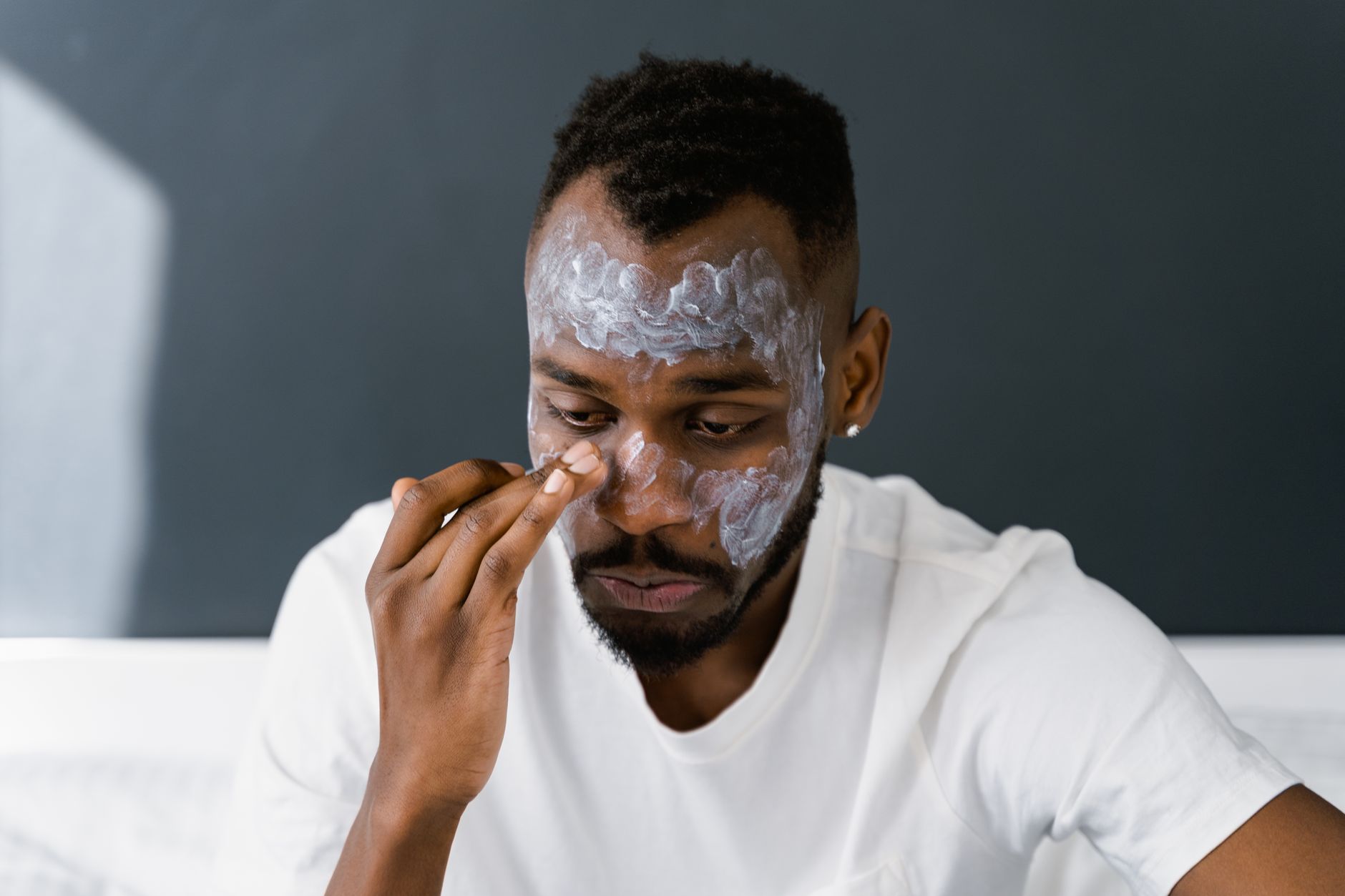
Living with psoriasis means your skin needs extra special care. While many products aim to help, some can actually make your condition worse, leading to irritation and flare-ups. Understanding what to avoid is just as important as knowing what to use. This guide will walk you through common culprits that can aggravate psoriasis and offer practical advice for keeping your skin calm and comfortable. We'll cover everything from your daily shower routine to the lotions you choose, and even discuss things like tattoos and clothing.
Understanding Psoriasis Flare-Ups
Psoriasis is an autoimmune condition where your body's immune system mistakenly attacks healthy skin cells. This leads to the rapid buildup of skin cells, forming thick, red, and often itchy or painful patches. These patches, known as plaques, can vary in appearance depending on your skin tone. On lighter skin, they might look red or pink with silvery-white scales. On darker skin, they could appear more violet or salmon-colored, sometimes making them harder to spot.
Flare-ups, or periods when symptoms become more severe, can be triggered by various factors. These can include stress, certain medications, infections, and even how you care for your skin. Learning to identify and avoid these triggers is a key part of managing psoriasis effectively. It’s about creating a skin-friendly environment that minimizes irritation and supports your skin’s natural barrier function.
What to Avoid in Your Daily Skin Care Routine
1. Hot Water and Long Showers/Baths
While a hot shower might feel soothing, it can strip your skin of its natural oils, leading to dryness and irritation. The American Academy of Dermatology suggests limiting your showers to under 5 minutes and your baths to under 15 minutes. Opt for lukewarm water instead. This helps to clean your skin without stripping away essential moisture. After your shower or bath, gently pat your skin dry with a soft towel, rather than rubbing vigorously. This is a simple yet effective way to prevent further irritation.
2. Harsh Skincare Ingredients
Many common skincare products contain ingredients that can be detrimental to psoriasis-prone skin. It’s wise to read labels carefully.
a. Alcohols
Alcohols like ethanol, isopropyl alcohol, and methanol are often added to lotions and other skincare products. They can make a product feel lighter or help preserve it. However, these alcohols can significantly dry out your skin, damaging its protective barrier and making it harder to retain moisture. This dryness can worsen psoriasis symptoms, leading to increased itchiness and redness. Always opt for lotions that are thick and emollient.
b. Fragrances
Fragrances, whether natural or synthetic, are added to products to give them a pleasant scent. For many people, especially those with sensitive skin conditions like psoriasis, these can be a major irritant. Fragrances can trigger allergic reactions and inflammation, leading to a flare-up. It’s best to choose fragrance-free products for both skincare and haircare. If you use perfume, try to apply it to your clothes rather than directly onto your skin.
c. Sulfates
Sulfates, such as sodium lauryl sulfate (SLS) and sodium laureth sulfate (SLES), are common in products like shampoos, soaps, and even toothpaste. They help create a rich lather. However, these foaming agents can be harsh and irritating to sensitive skin. If you have psoriasis, look for products explicitly labeled “sulfate-free.” This will help protect your skin’s barrier and reduce the risk of irritation.
3. Certain Fabrics
The clothes you wear can also impact your skin. Heavy, rough fabrics can cause friction and irritation, exacerbating psoriasis symptoms. Wool, for instance, is a common culprit. Consider choosing softer, breathable fabrics that are gentle on your skin. Cotton, silk blends, and cashmere are excellent choices. If you prefer the warmth of wool, try layering it over a softer material like cotton to create a barrier between the wool and your skin.
Things to Reconsider When You Have Psoriasis
4. Tattoos and Piercings
Getting a tattoo or piercing involves breaking the skin, which can trigger a psoriasis flare-up. This is known as the Koebner phenomenon, where skin trauma can lead to new psoriasis lesions appearing not just at the site of injury, but potentially elsewhere on the body. Some tattoo artists may even decline to tattoo individuals with psoriasis due to these risks. If you are considering a tattoo, discuss the risks thoroughly with your dermatologist and the tattoo artist. It’s important to ensure any active psoriasis is well-managed before proceeding.
5. Sunburn
While moderate sun exposure can sometimes be beneficial for psoriasis (phototherapy is a common treatment), sunburn is a definite no. A severe sunburn is a form of skin trauma that can trigger a significant psoriasis flare-up. Furthermore, repeated sunburns increase your risk of skin cancer. Always use a broad-spectrum sunscreen with a high SPF, especially if you plan to spend time outdoors. Aim for about 15–30 minutes of sun exposure at a time, similar to a phototherapy session, and always protect your skin afterwards.
6. Certain Topical Treatments and Home Remedies
Not all over-the-counter (OTC) creams or home remedies are suitable for psoriasis. Some ingredients, even if meant to be moisturizing, can cause irritation. For example, products containing certain essential oils can be problematic for sensitive skin. Always check the ingredient list and perform a patch test on a small area of unaffected skin before applying a new product to larger psoriasis patches. If a product stings or causes redness, discontinue use immediately.
What to Put on Your Skin for Psoriasis Management
Knowing what to avoid is half the battle. The other half is knowing what works. The goal is to keep your skin moisturized and protected.
- Thick, Oily Moisturizers: Look for products with ingredients like petroleum jelly or shea butter. These create a barrier that helps lock in moisture.
- Ceramide-Rich Lotions: Ceramides are natural lipids found in your skin's barrier. Lotions containing them can help repair and strengthen your skin.
- Unscented Products: Always choose fragrance-free options to minimize the risk of irritation.
- Lukewarm Water: Use for bathing and showering to avoid stripping natural oils.
- Gentle Fabrics: Opt for cotton, silk blends, or soft synthetics that allow your skin to breathe.
Apply moisturizers within a few minutes of bathing, showering, or washing your hands. This is when your skin is most receptive to hydration. Applying moisturizer right before bed also helps your skin retain moisture overnight.
When to Seek Professional Advice
Managing psoriasis can be a journey, and sometimes self-care isn't enough. If your symptoms are severe, causing significant discomfort, or if you’re experiencing frequent flare-ups despite your best efforts, it’s time to consult a doctor. Your dermatologist can offer prescription treatments, discuss advanced therapies like phototherapy, and provide personalized advice on skincare products and lifestyle changes. Don't hesitate to reach out for professional help – your skin's health is worth it.
Frequently Asked Questions (FAQ)
Q1: Can I use any soap if I have psoriasis?
It’s best to use mild, unscented, and sulfate-free soaps or cleansers. Harsh soaps can strip your skin of natural oils and worsen dryness and irritation. Look for gentle, moisturizing formulas designed for sensitive skin.
Q2: Is it safe to exercise with psoriasis?
Yes, exercise is generally beneficial for managing psoriasis, as it helps with weight management and stress reduction. However, be mindful of friction from clothing and sweat. Opt for breathable workout gear and shower soon after exercising. If you have joint pain from psoriatic arthritis, consult your doctor before starting a new exercise program.
Q3: Can I use essential oils on my psoriasis?
Many essential oils can be irritating to psoriasis-affected skin. While some people find certain oils helpful, it's best to use them with extreme caution. Always dilute essential oils properly in a carrier oil (like coconut or jojoba oil) and perform a patch test first. If you experience any redness or irritation, stop using them immediately.