Understanding J-Pouch Surgery and Recovery
Ulcerative colitis (UC) is a chronic inflammatory bowel disease that affects the large intestine. For many individuals, medication can manage symptoms, but for some, the condition becomes severe and resistant to treatment, necessitating surgical intervention. J-pouch surgery is the most common surgical procedure performed for ulcerative colitis when medical treatments are no longer effective or when the colon needs to be removed due to complications like cancer. This surgery involves creating a J-shaped reservoir from a portion of the small intestine to allow for the passage of stool through the anus, effectively bypassing the removed colon. While it offers a significant improvement in quality of life for many, the recovery process requires careful attention and adherence to medical advice. This guide aims to provide comprehensive information for Indian readers on how to navigate the recovery period after J-pouch surgery, focusing on diet, wound care, ostomy management, and potential complications.
The J-Pouch Procedure Explained
J-pouch surgery, also known as ileal pouch-anal anastomosis (IPAA), is typically performed in two or three stages, with the most common approach involving two surgeries. The first surgery involves creating a temporary ileostomy. During this stage, a surgeon will:
- Make the ileum (a part of the small intestine) into a J-shaped pouch.
- Create an opening called a stoma on the abdomen.
- Form a temporary ileostomy by bringing a loop of the small intestine through the stoma. This is connected to an ostomy bag worn externally to collect stool. This temporary measure protects the J-pouch while it heals and reduces the risk of infection.
The surgeries are usually spaced 8 to 12 weeks apart. After the J-pouch has healed sufficiently and is deemed 'leakproof', a second surgery is performed. This procedure closes the stoma, and the small intestine is then connected to the J-pouch, allowing for normal bowel movements through the anus.
Dietary Guidelines for Post-J-Pouch Surgery Recovery
Your diet plays a crucial role in healing and adapting to your new digestive system. The post-surgical diet typically progresses gradually:
- Clear Liquids: Initially, you'll start with clear liquids like water, broth, sports drinks, and gelatin for several days. This helps to keep you hydrated and gives your digestive system a rest.
- Full Fluids: Once you tolerate clear liquids, you'll move to full fluids. This includes clear liquids plus foods that are liquid or will become liquid at room temperature, such as pudding, yogurt, and pureed soups.
- Low-Fiber Foods: The next stage involves full fluids along with low-fiber foods. This includes well-cooked, seedless, and skinless vegetables, and soft foods like eggs, pasta, and white rice.
It is essential to gradually reintroduce foods and monitor your body's response. For several months after surgery, you may need to avoid high-fiber, spicy, and high-fat foods. These can be difficult to digest and may cause discomfort or other issues as your digestive tract heals and adjusts to functioning without a colon. Staying well-hydrated is also paramount. Your healthcare team will provide personalized dietary advice based on your progress.
Wound Care and Infection Prevention
Proper wound care is vital to prevent infection and promote healing. Your care team will provide detailed instructions before you leave the hospital. General guidelines often include:
- Rinse the wound with tap water and gently pat dry with clean gauze or a towel.
- Avoid using antiseptics like iodine, hydrogen peroxide, or rubbing alcohol on the wound, as these can hinder healing.
- Always wash your hands thoroughly before cleaning your wound or changing dressings.
- Gently dab away dried blood with gauze moistened with water or sterile saline.
It is crucial to notify your doctor immediately if you notice any signs of infection, which may include:
- Increased redness or swelling around the wound.
- Increased pain or tenderness.
- Warmth radiating from the wound area.
- Pus or foul-smelling discharge.
- Fever (temperature above 100.4°F or 38°C).
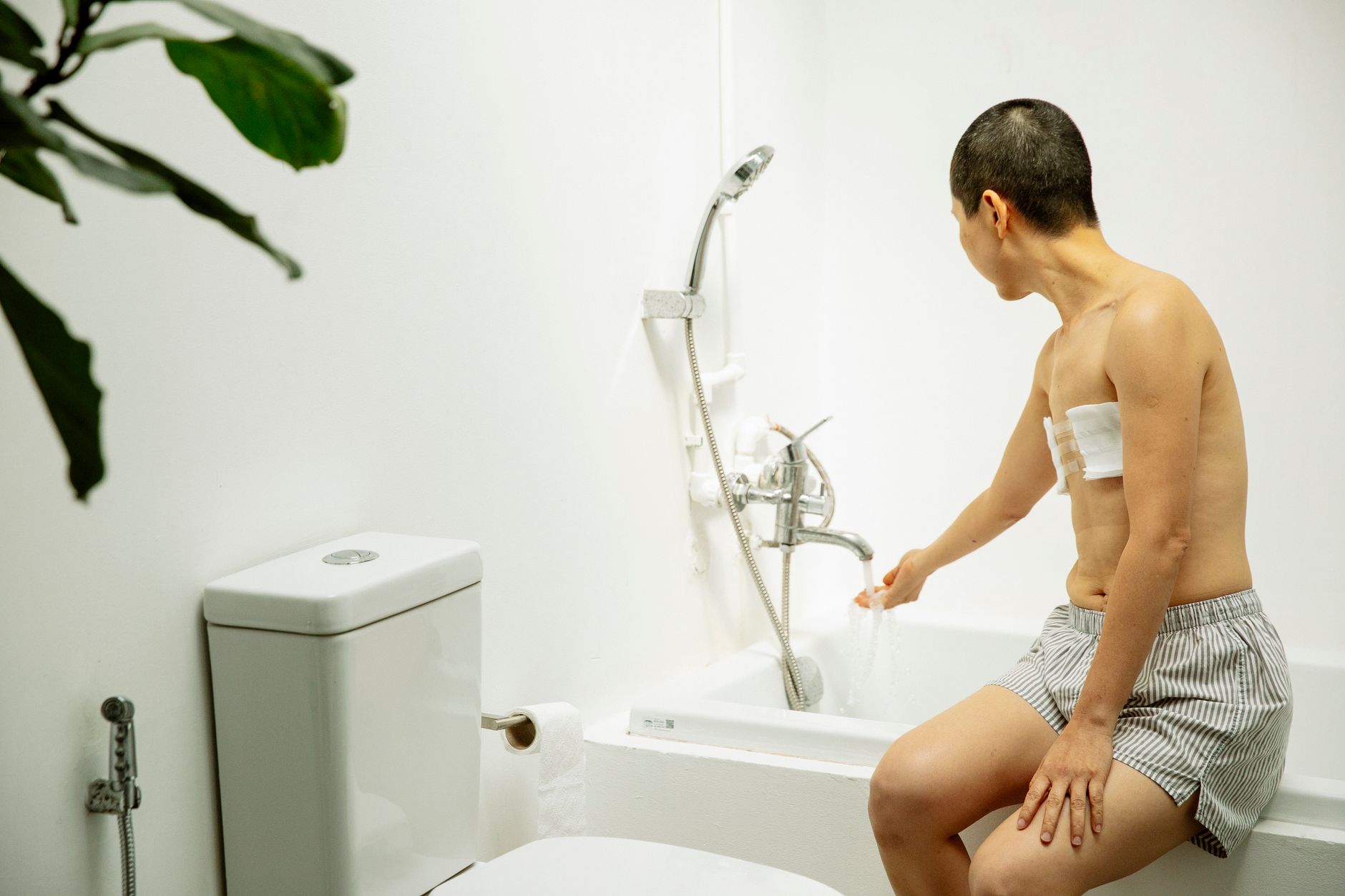
Regular showers, limited to less than 10 minutes, are recommended. Avoid excessive heat and prolonged water exposure on the surgical sites.
Managing Your Temporary Ileostomy
Before you are discharged, your doctor or a stoma nurse will train you on how to care for your ileostomy. This includes understanding how to empty and change the ostomy bag. Most people need to empty their ostomy bag about 6 to 8 times a day. Keeping the skin around the stoma clean and dry is essential to prevent irritation and skin breakdown. Your care team will provide specific products and techniques for optimal stoma care.
Potential Complications and When to Seek Medical Help
While J-pouch surgery is generally safe and effective, potential complications can arise. One common concern is pouchitis, an inflammation of the J-pouch, which affects up to 50% of patients, typically within the first two years after surgery. Symptoms of pouchitis can include increased stool frequency, urgency, abdominal pain, and fever. Pouchitis is usually treated with antibiotics. The probiotic mixture VSL#3 has shown promise in helping to reduce the chance of developing chronic pouchitis, according to some research.
Other potential complications include:
- Incisional hernia at the stoma site.
- Bowel obstruction.
- Fistulas (abnormal connections between organs).
- Strictures (narrowing of the J-pouch or anal canal).
- Reduced ability to hold stool for short periods, which usually improves over time.
Consult your doctor immediately if you experience:
- Severe abdominal pain or cramping.
- Persistent nausea or vomiting.
- Inability to pass gas or stool.
- Signs of infection (as listed above).
- Any other concerning or unusual symptoms.
Long-Term Recovery and Lifestyle Adjustments
Recovery from J-pouch surgery is a journey, and it's important to be patient with your body. While many people return to their normal activities, some adjustments may be necessary. You might experience a reduced ability to hold stool for up to 15 minutes initially, but this often improves with time and pelvic floor exercises. Regular follow-ups with your healthcare provider are crucial to monitor your J-pouch health and overall well-being. Engaging in light physical activity as recommended by your doctor can aid recovery. Discuss any concerns or challenges you face with your medical team to ensure the best possible outcome and a good quality of life post-surgery.