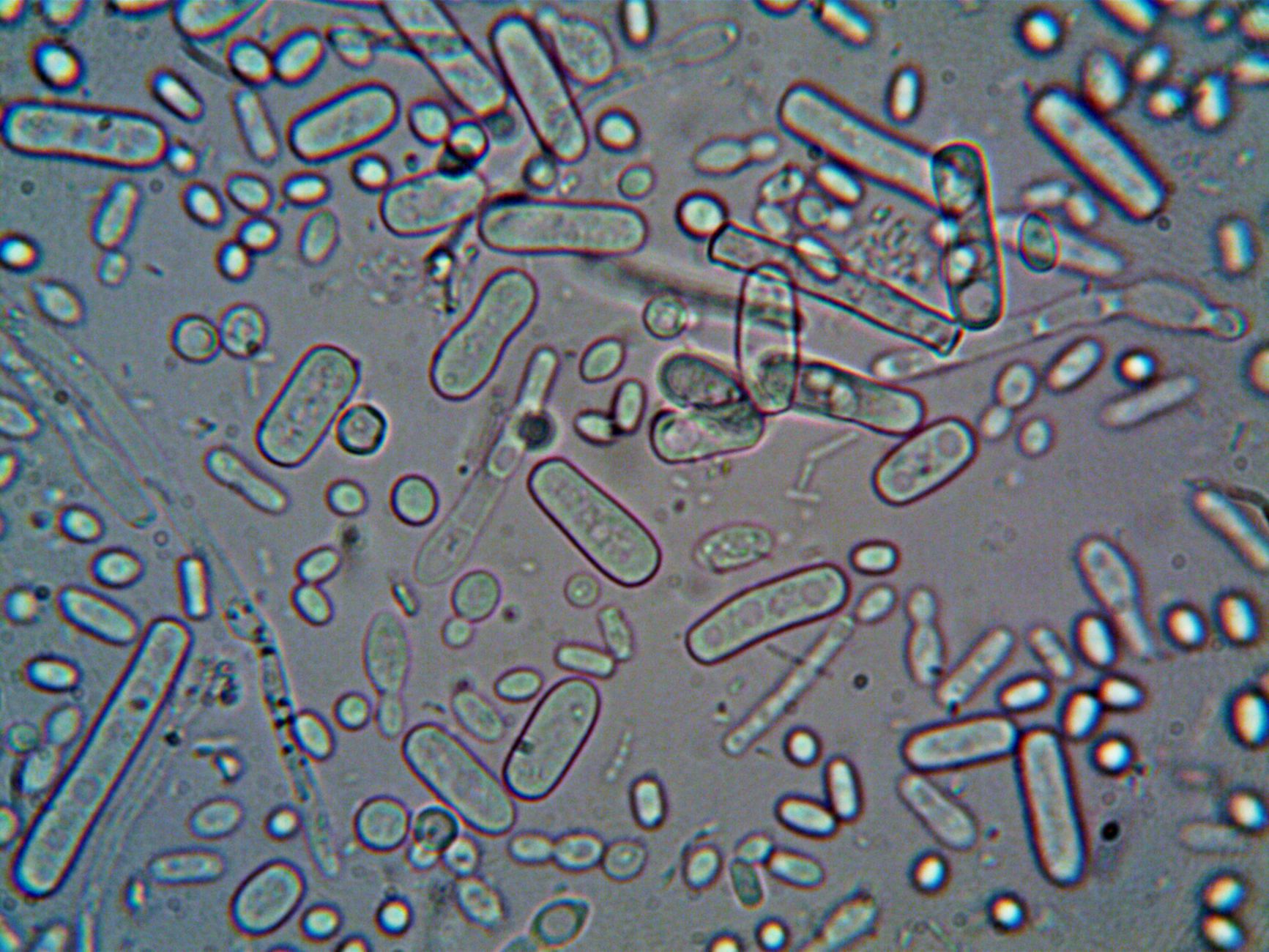
Understanding Sickle Cell Anemia (SCA) Sickle Cell Anemia (SCA) is a genetic blood disorder that affects red blood cells. Unlike the normal, flexible, disc-shaped red blood cells that easily travel through blood vessels, in SCA, the red blood cells become rigid and sickle-shaped, resembling a crescent moon or the letter 'C'. This abnormal shape significantly impacts their ability to carry oxygen efficiently and leads to various health complications. In India, while not as prevalent as in some other parts of the world, SCA does affect certain communities and requires increased awareness and accessible healthcare. The Science Behind Sickle Cells Red blood cells are responsible for transporting oxygen from the lungs to all parts of the body and carrying carbon dioxide back to the lungs. This vital function is performed by hemoglobin, a protein within red blood cells. In SCA, there is an abnormality in the hemoglobin molecule, leading to the 'sickling' of red blood cells under certain conditions, such as low oxygen levels, dehydration, or infection. These sickle-shaped cells are less flexible, can easily block blood flow in small blood vessels, and have a shorter lifespan than normal red blood cells, leading to chronic anemia. Common Symptoms of Sickle Cell Anemia The symptoms of SCA can vary greatly from person to person and can change over time. Some individuals may experience mild symptoms, while others face severe and life-threatening complications. Symptoms typically appear after 6 months of age, as infants are born with fetal hemoglobin that offers some protection. Pain Crises (Vaso-occlusive Crises) This is one of the most hallmark symptoms of SCA. It occurs when the sickle-shaped red blood cells block blood flow in small blood vessels, leading to intense pain. These crises can occur in any part of the body, including the: Chest Abdomen Bones Joints Pain can be acute, meaning it comes on suddenly and lasts for a short period, or chronic, occurring almost daily for six months or longer. Triggers for pain crises can include: Dehydration Changes in temperature (cold or heat) Stress Infection Physical exertion Anemia and Fatigue Due to the shortened lifespan of sickle cells and the reduced number of healthy red blood cells, individuals with SCA often suffer from chronic anemia. This means their body doesn't have enough healthy red blood cells to carry adequate oxygen to tissues and organs. Symptoms of anemia include: Persistent fatigue and lack of energy Weakness Dizziness Shortness of breath Jaundice Jaundice is a yellowing of the skin and the whites of the eyes. It occurs when a large number of red blood cells break down rapidly. The byproducts of this breakdown, like bilirubin, build up in the blood faster than the liver can process them, causing the yellowish discoloration. Swelling in Hands and Feet (Dactylitis) Dactylitis, also known as hand-foot syndrome, is often one of the first symptoms noticed in infants and young children with SCA. It involves painful swelling in the hands and feet, caused by blocked blood flow in the small bones of the extremities. Increased Susceptibility to Infections Individuals with SCA, particularly children, are at a higher risk of developing serious infections. This is because the spleen, an organ crucial for fighting infections, can be damaged by sickle cells. Common infections include: Pneumonia Urinary tract infections (UTIs) Meningitis It's crucial for children with SCA to stay up-to-date with vaccinations and sometimes take daily antibiotics to prevent severe infections. Other Potential Symptoms Delayed growth and puberty in children Vision problems due to damage to blood vessels in the eyes Gallstones Stroke (a serious complication where blood flow to the brain is blocked) Acute chest syndrome (a life-threatening condition involving chest pain, fever, and difficulty breathing) Causes of Sickle Cell Anemia Sickle Cell Anemia is an inherited condition. It is caused by a mutation in the HBB gene, which provides instructions for making a part of hemoglobin. This genetic defect is passed down from parents to children. For a child to have SCA, they must inherit the sickle cell gene from both parents. If a child inherits the gene from only one parent, they become a carrier of the sickle cell trait but usually do not have the disease themselves. Diagnosis of Sickle Cell Anemia In many countries, including India, sickle cell anemia is often diagnosed at birth through routine newborn screening tests. These tests can detect the presence of abnormal hemoglobin. In older individuals, diagnosis can be made through: Complete Blood Count (CBC): This test measures the number of red blood cells, white blood cells, and platelets, and can reveal anemia. Hemoglobin Electrophoresis: This is a blood test that can identify the different types of hemoglobin present in the blood, confirming the presence of sickle hemoglobin. Management and Treatment in India While there is currently no universal cure for sickle cell anemia, various treatments and management strategies can help alleviate symptoms, prevent complications, and improve the quality of life for affected individuals. The approach to treatment is often multifaceted. Medications Hydroxyurea: This medication can help reduce the frequency of pain crises and the need for blood transfusions by increasing the production of fetal hemoglobin. Pain Relievers: Over-the-counter pain relievers like aspirin and ibuprofen can manage mild pain, while stronger prescription medications may be needed for severe pain crises. Antibiotics: Prophylactic antibiotics are often prescribed for children to prevent infections. Blood Transfusions Regular blood transfusions can help increase the number of healthy red blood cells, improve
In summary, timely diagnosis, evidence-based treatment, and prevention-focused care improve long-term health outcomes.