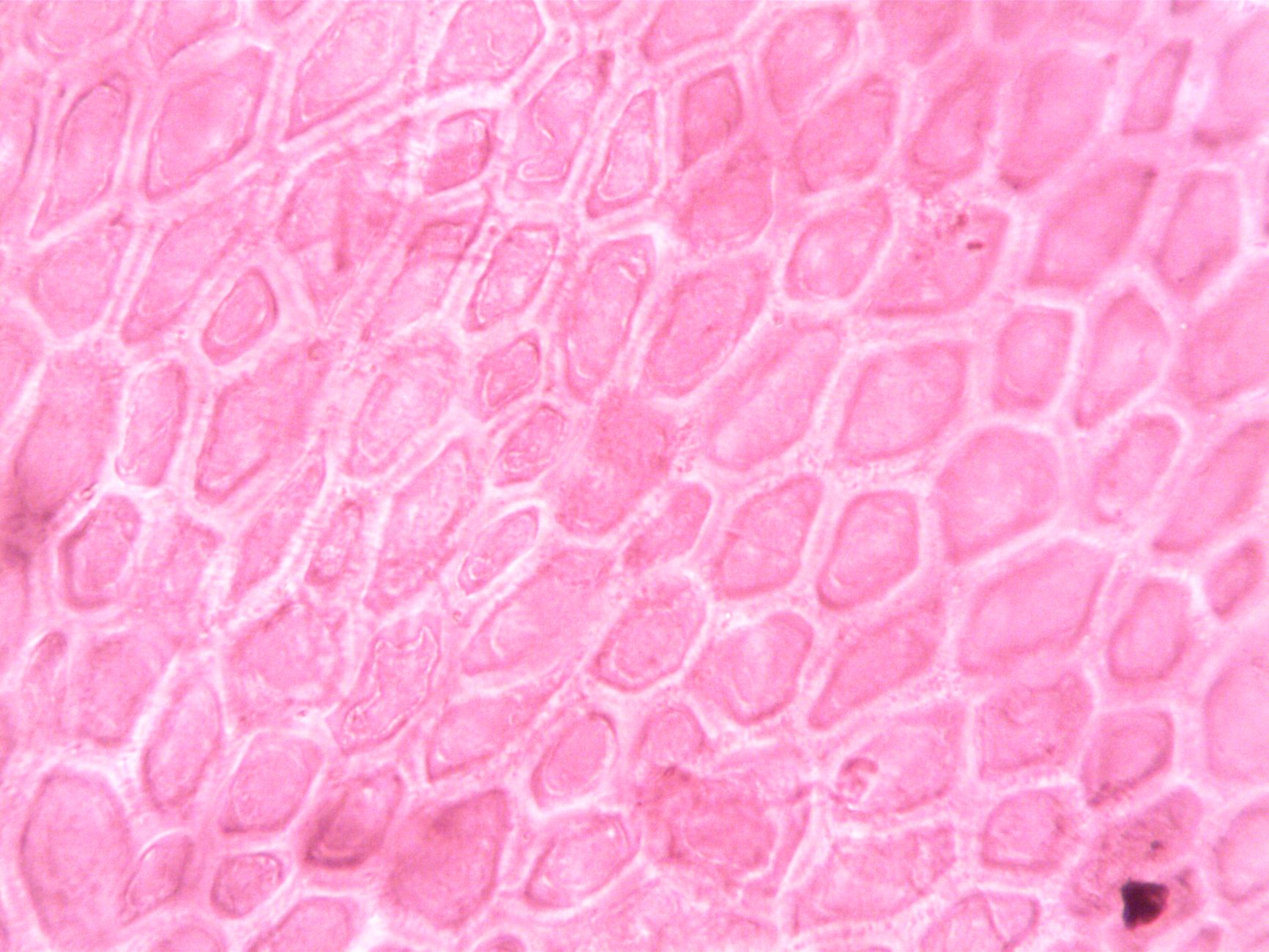
Endometriosis is a common condition affecting many women, where tissue similar to the lining of the uterus (endometrium) grows outside the uterus. While we often hear about endometriosis in general terms, there are variations in how this tissue presents itself. One such variation is referred to as stromal endometriosis. It's important to understand that this isn't a distinct subtype of endometriosis but rather a descriptive term that highlights the specific cellular makeup of the endometrial tissue found outside the uterus.
What is Stromal Endometriosis?
In the context of endometriosis, the tissue found outside the uterus is typically composed of two main cell types: glandular cells and stromal cells. Glandular cells are responsible for the secretory functions of the endometrium, while stromal cells form the supportive connective tissue. Conventional endometriosis is often characterized by the presence of glandular cells. However, in stromal endometriosis, the endometrial lesions are predominantly made up of stromal cells. These stromal cells are the building blocks of connective tissue found throughout your body, providing structure and support.
The endometrium, the lining of your uterus, contains both functional and basal layers. The functional layer sheds during menstruation, while the basal layer helps regenerate the functional layer. Both layers contain stromal cells. When endometriosis is described as 'stromal,' it means that the tissue identified outside the uterus is primarily composed of these stromal cells, rather than the glandular cells that are more characteristic of conventional endometriosis.
This distinction is significant because it can sometimes make the lesions more challenging to identify during diagnostic procedures. While the symptoms may be similar to conventional endometriosis, the underlying cellular composition is different.
Symptoms of Stromal Endometriosis
Since stromal endometriosis is a variation in tissue presentation rather than a distinct subtype, the symptoms are generally the same as those experienced with conventional endometriosis. The endometrial tissue, regardless of its predominant cell type, responds to the hormonal fluctuations of your menstrual cycle. This hormonal sensitivity can lead to:
- Pelvic Pain: This is the most common symptom and can range from mild to severe. The pain is often worse during menstruation but can occur at any time.
- Painful Periods (Dysmenorrhea): Menstrual cramps that are significantly more severe than usual.
- Pain During or After Intercourse (Dyspareunia): Discomfort or pain experienced during sexual activity.
- Painful Bowel Movements or Urination: Especially during menstrual periods, if the endometriosis affects these organs.
- Infertility: Endometriosis can sometimes interfere with conception.
- Fatigue and Bloating: General feelings of tiredness and abdominal bloating, particularly around the time of menstruation.
The location of the endometrial implants also plays a role in symptom presentation. If endometriosis affects your bladder, you might experience pain during urination or symptoms that mimic a urinary tract infection. It's also important to note that some individuals may have endometriosis without experiencing any noticeable symptoms.
Causes of Stromal Endometriosis
The exact causes of endometriosis, including stromal endometriosis, are not fully understood. However, several theories attempt to explain its development:
- Retrograde Menstruation: This is the most widely accepted theory. It suggests that during menstruation, some menstrual blood containing endometrial cells flows backward through the fallopian tubes into the pelvic cavity instead of exiting the body. These cells then implant and grow on pelvic organs.
- Cellular Differentiation: Another theory proposes that certain cells outside the uterus can transform into endometrial-like cells due to hormonal or genetic factors.
- Immune System Dysfunction: A third theory posits that the immune system may fail to recognize and eliminate endometrial cells that have grown outside the uterus.
- Surgical Scar Implantation: Endometrial cells may attach to a surgical incision made during procedures like a C-section or hysterectomy.
- Endometrial Cell Transport: The vascular or lymphatic systems might transport endometrial cells to other parts of the body.
For stromal endometriosis specifically, research suggests that stromal cells might interact uniquely with immune cells. These interactions could potentially contribute to immune dysfunction and play a role in the development of the condition, possibly leading to lesions that are primarily composed of stromal cells.
Diagnosis of Stromal Endometriosis
Diagnosing any form of endometriosis, including stromal endometriosis, typically requires a surgical procedure. The definitive diagnostic method is through laparoscopy, often referred to as
Additional Medical Guidance
This section adds practical context and preventive advice to help readers make informed healthcare decisions. It is important to verify symptoms early, consult qualified doctors, and avoid self-medication for persistent health issues.
Maintaining healthy routines, following prescribed treatment plans, and attending regular checkups can improve outcomes. If symptoms worsen or red-flag signs appear, immediate medical evaluation is recommended.
Quick Checklist
Track symptoms and duration.
Follow diagnosis and treatment from a licensed practitioner.
Review medication side effects with your doctor.
Seek urgent care for severe warning signs.