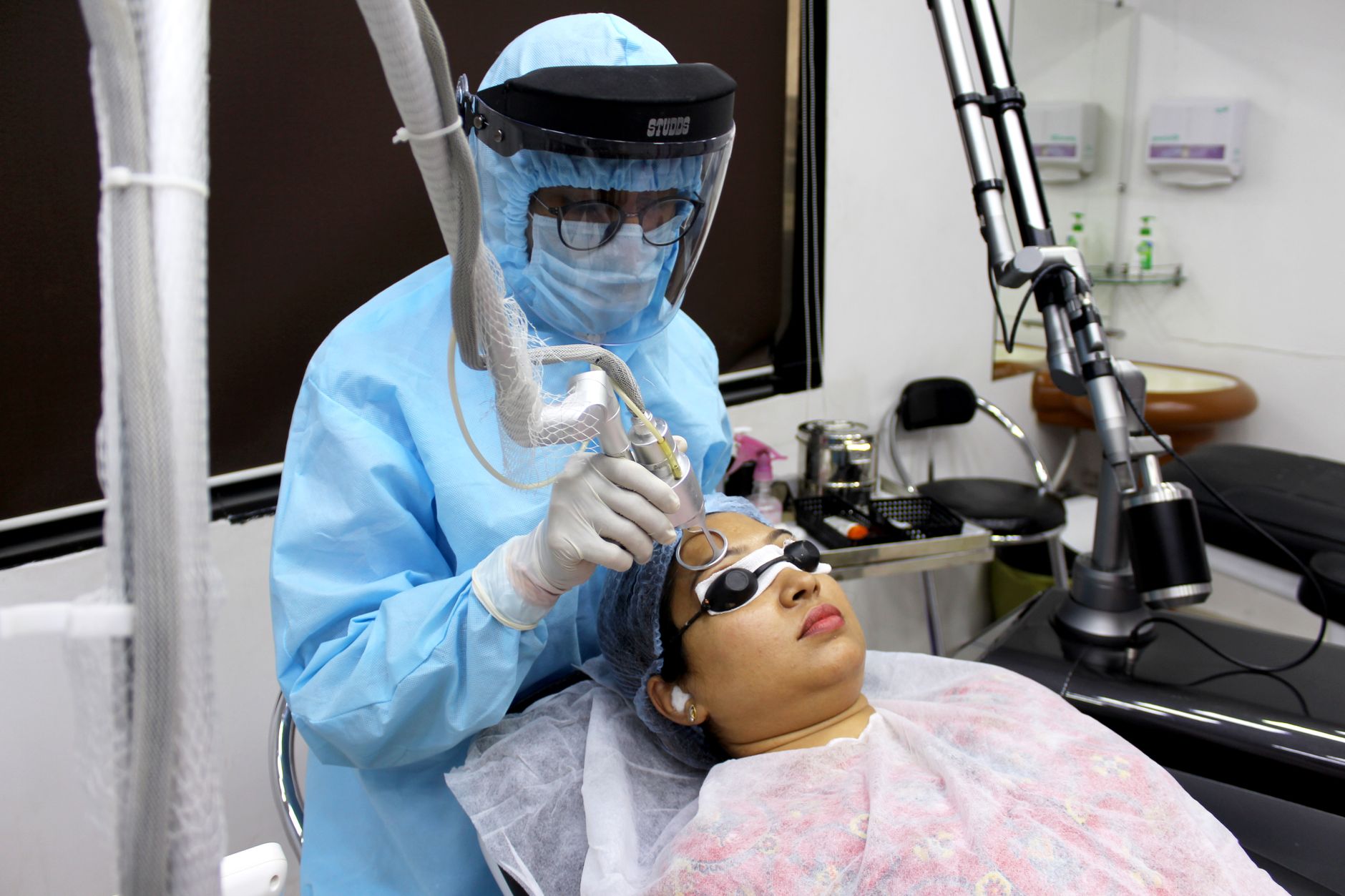
Acne can leave behind more than just memories; for many, it leaves stubborn scars that can affect self-esteem. If you've tried various creams and treatments with little success, you might be wondering about more advanced options. One such procedure gaining attention is subcision. But what exactly is it, and can it truly make those pockmarks disappear? Let's explore subcision for acne scars in detail.
What is Subcision?
Subcision is a minor surgical technique performed by dermatologists to improve the appearance of scars, particularly those left by acne. It's an 'incisionless' procedure, meaning it doesn't involve cutting the skin. Instead, a dermatologist uses a special needle to go *underneath* the scar tissue. The needle is carefully maneuvered to break the fibrous bands that tether the scar down to the deeper layers of your skin. Think of it like lifting a rug that's been stuck to the floor in places; once those stuck points are released, the rug can lie flat. Similarly, when the scar is released from the underlying tissue, your skin can rise, making the scar less noticeable.
This process does more than just lift the scar. Breaking these fibrous bands also triggers your body's natural healing response, stimulating the production of new collagen. Collagen is the protein that gives your skin its structure and elasticity. Increased collagen can further help to fill in the depression left by the scar and improve the overall texture of your skin.
Types of Scars Subcision Can Treat
While subcision is most commonly associated with treating acne scars, it can also be beneficial for other types of depressed scars, including:
- Rolling scars: These have a wave-like, uneven appearance.
- Boxcar scars: These are wider depressions with sharp, defined edges.
- Some types of surgical scars.
- Atrophic scars from other conditions.
It's important to know that subcision is generally not effective for raised scars like hypertrophic scars or keloids. These scars require different treatment approaches.
How Does Subcision Work for Acne Scars?
The magic of subcision lies in its dual action. Firstly, it mechanically releases the scar from the underlying tissue. This immediate lifting effect is often visible right after the procedure, though the full results take time to develop. Secondly, the controlled injury created by the needle insertion kickstarts a process of skin regeneration. Your body sends inflammatory signals and then begins to build new collagen and elastin in the treated area. This helps to remodel the skin from within, smoothing out the scar and improving its texture over time.
A Real-Life Scenario: Priya had struggled with deep, pitted acne scars on her cheeks since her teenage years. She felt self-conscious about them, often applying heavy makeup to try and hide them. After researching various options, she decided to consult a dermatologist about subcision. Her dermatologist explained that her scars were primarily rolling scars, which are well-suited for subcision. Priya was hopeful but also a little nervous about the procedure itself.
What to Expect During the Subcision Procedure
Subcision is typically performed in a dermatologist's clinic or office and is considered an outpatient procedure. This means you can go home the same day.
- Consultation: Your dermatologist will first assess your scars to determine if subcision is the right treatment for you. They will discuss your medical history, including any medications you're taking (especially oral retinoids, which can affect healing) and any relevant health conditions.
- Cleaning and Anesthesia: The area to be treated will be thoroughly cleaned. Then, a local anesthetic will be applied to numb the skin, ensuring you don't feel pain during the procedure.
- The Procedure: The dermatologist will insert a specialized, thin needle horizontally under the scar. They will gently move the needle back and forth, breaking the fibrous connections tethering the scar. You might hear a soft snapping sound as these bands break. This process may be repeated for different parts of the scar.
- Post-Procedure Care: Once the needle is removed, manual pressure or ice will be applied to the treated area to minimize bleeding and swelling.
Recovery and Healing After Subcision
The recovery period for subcision is generally manageable, but it requires some patience. You can expect:
- Bruising and Swelling: It's very common to experience bruising and swelling in the treated area. This typically lasts for one to two weeks.
- Discomfort: Some mild pain or discomfort is also normal. Your dermatologist might prescribe pain relievers or anti-inflammatory medications to help manage this.
- Activity Restrictions: You may need to avoid strenuous activities for a few days. Your doctor will provide specific post-care instructions.
- Sun Protection: Protecting the treated skin from the sun is vital to prevent hyperpigmentation.
Most people can resume their normal daily activities within a few days, but the visible signs of bruising and swelling will take longer to subside. It's essential to follow your dermatologist's aftercare instructions meticulously to ensure optimal healing and results.
How Many Subcision Sessions Are Needed?
Subcision is rarely a one-and-done treatment. For significant improvement in acne scars, multiple sessions are usually required. These sessions are spaced out to allow the skin to heal and regenerate between treatments. Typically, you might need anywhere from three to six sessions, with at least four weeks between each one. Your dermatologist will determine the exact number of sessions based on the severity and type of your scarring.
Effectiveness of Subcision for Acne Scars
While large-scale research is still evolving, existing studies suggest that subcision can be an effective treatment for improving the appearance of acne scars, particularly rolling and boxcar types. A review of research from 2010 indicated that subcision could offer permanent improvements. A small study in 2005 involving 40 participants found that 90% reported an improvement in their scar appearance, even though the scars weren't completely healed. Another study in 2016 compared subcision with other scar treatments and found physicians rated subcision as the most successful. These findings suggest subcision is a promising option for many individuals seeking to reduce the visibility of their acne scars.
However, it's important to manage expectations. Subcision aims to improve the appearance of scars, not necessarily to make them vanish completely. The degree of improvement can vary from person to person.
Cost of Subcision Treatment
The cost of subcision can vary depending on your location, the dermatologist's expertise, and the extent of the treatment area. Generally, you can expect to pay between $200 to $400 per session. Since multiple sessions are usually needed, the total cost could range up to $2,400 or more. It's advisable to discuss the estimated total cost with your dermatologist during your consultation.
When to Consult a Doctor
If you are bothered by persistent acne scars and have tried less invasive treatments without satisfactory results, it's time to consider consulting a dermatologist. They can evaluate your skin, discuss your goals, and determine if subcision or another treatment modality is the best path forward for you. Don't hesitate to seek professional advice if acne scars are impacting your confidence.
Frequently Asked Questions (FAQ)
Is subcision painful?
A local anesthetic is used to numb the skin before the procedure, so you should not feel pain during the treatment. You might feel some pressure or a pulling sensation. Some discomfort is possible during the recovery period.
Can subcision be combined with other treatments?
Yes, subcision is often combined with other scar revision techniques, such as microneedling, laser therapy, or dermal fillers, to achieve enhanced results. Your dermatologist will recommend the best combination for your specific needs.
How long does it take to see results from subcision?
While some improvement may be noticeable shortly after the procedure, the full results of subcision take time as collagen production increases and the skin remodels. It can take several months and multiple treatment sessions to see the final outcome.
Are there any risks associated with subcision?
Like any medical procedure, subcision carries some risks, though they are generally minor. These can include temporary bruising, swelling, pain, infection, and changes in skin pigmentation. Choosing an experienced dermatologist can help minimize these risks.