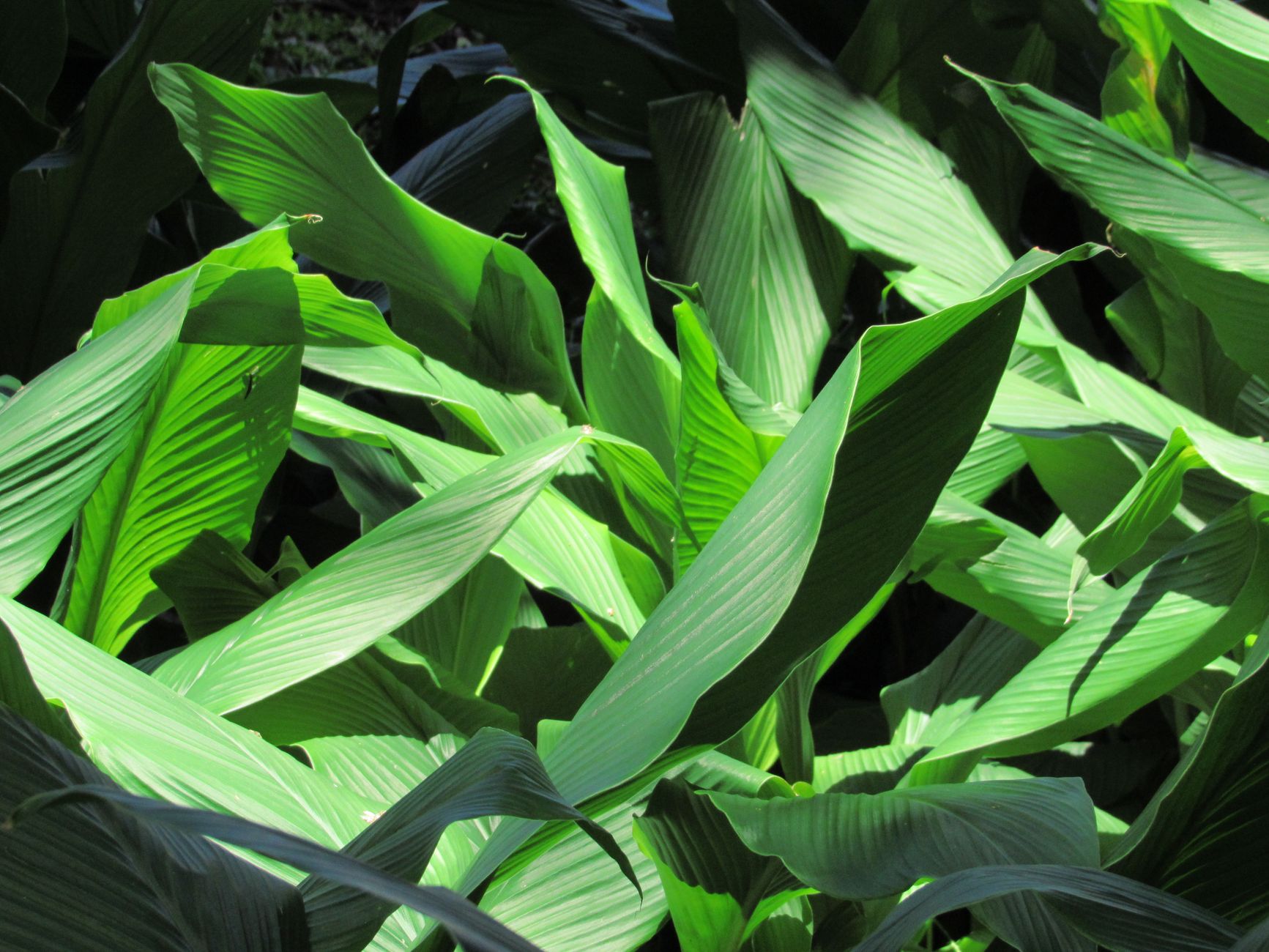
Understanding the Insulin Plant (Costus Igneus)
In India, where diabetes is a growing concern, many individuals seek natural remedies to complement their conventional treatment. One such remedy that has gained attention is the Costus Igneus, commonly known as the Insulin Plant. Originating from Eastern Brazil, this perennial plant, reaching about 2 feet in height, is believed by some to possess properties that can help manage blood sugar levels. This article delves into the potential benefits, documented side effects, and crucial precautions associated with using the insulin plant for diabetes management, particularly for the Indian population.
What is the Insulin Plant?
The Insulin Plant, scientifically known as Costus Igneus, is a tropical plant found in various parts of the world, including Central and South America. In India and other regions, it is traditionally used as a dietary supplement by individuals with diabetes. The plant is also recognized by other names such as 'spiral flag', 'painted spiral ginger', 'step ladder', and 'fiery Costus'. Its leaves are the primary part used for medicinal purposes, often consumed as a supplement in tablet form, as a ground powder, or even directly.
Potential Benefits for Diabetes Management
Research suggests that the insulin plant may have anti-diabetic properties. Studies have indicated that the consumption of its leaves can help in managing blood sugar levels. A study from 2016 found that the leaves helped prevent postprandial (after-meal) blood sugar spikes in individuals with diabetes. Another older study showed promising results for insulin-dependent diabetics, where consuming the leaves for just 15 days led to a halving of their insulin needs. For those with diabetes not on insulin but using other medications, improvements in blood sugar levels were also observed after a similar period of consumption.
Beyond its potential impact on blood sugar, Costus Igneus is also noted for its antioxidant properties, which can support the immune system in defending against bacterial infections. Additionally, it acts as a diuretic, meaning it can increase urine production.
Understanding the Difference: Costus Igneus vs. Costus Pictus
It's worth noting that there is no significant quantifiable difference between Costus Igneus and Costus Pictus. They are often used interchangeably, and both are associated with the potential benefits for diabetes management.
Is it Safe to Use the Insulin Plant for Diabetes?
While the insulin plant shows potential, safety is paramount, especially for individuals managing diabetes. If you are insulin-dependent, it is crucial to consult your diabetes care team before making any decisions, including stopping or altering your insulin dosage. The insulin plant is generally considered safe to use as a supplement in addition to your prescribed diabetes medications. Studies suggest it can be effective in lowering blood sugar when used alongside other treatments like insulin and oral medications. However, more research is needed to fully evaluate its long-term safety.
Potential Side Effects of the Insulin Plant
Despite its potential benefits, consuming Costus Igneus can lead to side effects. These may include:
- Low blood sugar levels (hypoglycemia): This is particularly a risk for individuals taking insulin or other blood-sugar-lowering medications. Hypoglycemia can be dangerous and may even lead to a diabetes-related coma if not managed promptly.
- Dizziness
- Diarrhea
- Nausea
It is essential to be aware of these potential risks and to monitor your body's response closely. The herbal nature of Costus Igneus also means it could potentially interact with other medications you are taking, further underscoring the need for medical consultation.
How to Use the Insulin Plant
Traditionally, the insulin plant is consumed in several ways:
- As a supplement in tablet form.
- As a powder made from dried leaves.
- By eating the fresh leaves (though this is less common and may increase the risk of side effects if not done carefully).
Regardless of the method, starting with a small dose and gradually increasing it while monitoring blood sugar levels is advisable. Always follow the dosage instructions provided with supplements or as advised by a healthcare professional.
When to Consult a Doctor
It is imperative to consult your doctor or healthcare provider before you start using the insulin plant or make any changes to your current diabetes management plan. This is especially true if you:
- Are insulin-dependent.
- Are taking other medications for diabetes or any other condition.
- Experience any unusual symptoms after consuming the insulin plant.
- Are pregnant or breastfeeding.
Your doctor can help you understand the potential risks and benefits in the context of your overall health and current treatment regimen.
Prevention and Lifestyle in Diabetes Management
While natural remedies like the insulin plant can be explored, they should always be part of a comprehensive diabetes management strategy. This includes:
- Balanced Diet: Focus on whole grains, lean proteins, plenty of vegetables, and fruits. Limit processed foods, sugary drinks, and excessive carbohydrates.
- Regular Exercise: Aim for at least 150 minutes of moderate-intensity aerobic activity per week, along with muscle-strengthening activities.
- Weight Management: Maintaining a healthy weight can significantly improve insulin sensitivity.
- Stress Management: Chronic stress can affect blood sugar levels. Practice relaxation techniques like yoga, meditation, or deep breathing exercises.
- Adequate Sleep: Aim for 7-9 hours of quality sleep per night.
- Regular Monitoring: Keep track of your blood sugar levels as advised by your doctor.
Frequently Asked Questions (FAQ)
- Can the insulin plant cure diabetes?
No, the insulin plant is not a cure for diabetes. It is considered a potential complementary therapy that may help manage blood sugar levels when used alongside conventional medical treatments.
- How quickly does the insulin plant work?
Studies have shown some effects within 15 days of consistent consumption. However, individual responses can vary, and it's essential to monitor blood sugar levels regularly.
- Are there any interactions between the insulin plant and other diabetes medications?
Yes, there is a potential for interactions, especially with insulin and other blood-sugar-lowering drugs. This can increase the risk of hypoglycemia. Always consult your doctor before combining them.
- Can pregnant or breastfeeding women use the insulin plant?
There is insufficient research on the safety of the insulin plant for pregnant or breastfeeding women. It is best to avoid its use during these periods unless specifically advised by a healthcare professional.
- Where can I buy insulin plant supplements in India?
Insulin plant supplements, such as tablets or powders, may be available at reputable health food stores, online pharmacies, or specialized herbal product retailers in India. Ensure you purchase from trusted sources.
Conclusion
The Costus Igneus, or insulin plant, presents an interesting natural option for individuals in India looking to support their diabetes management. While preliminary research suggests potential benefits in lowering blood sugar, it is crucial to approach its use with caution. Understanding the potential side effects, especially the risk of hypoglycemia, and the importance of consulting with a healthcare professional before incorporation into your treatment plan is non-negotiable. The insulin plant should be viewed as a complementary aid, not a replacement for prescribed medications and a healthy lifestyle. Always prioritize safety and informed decision-making in your journey with diabetes.