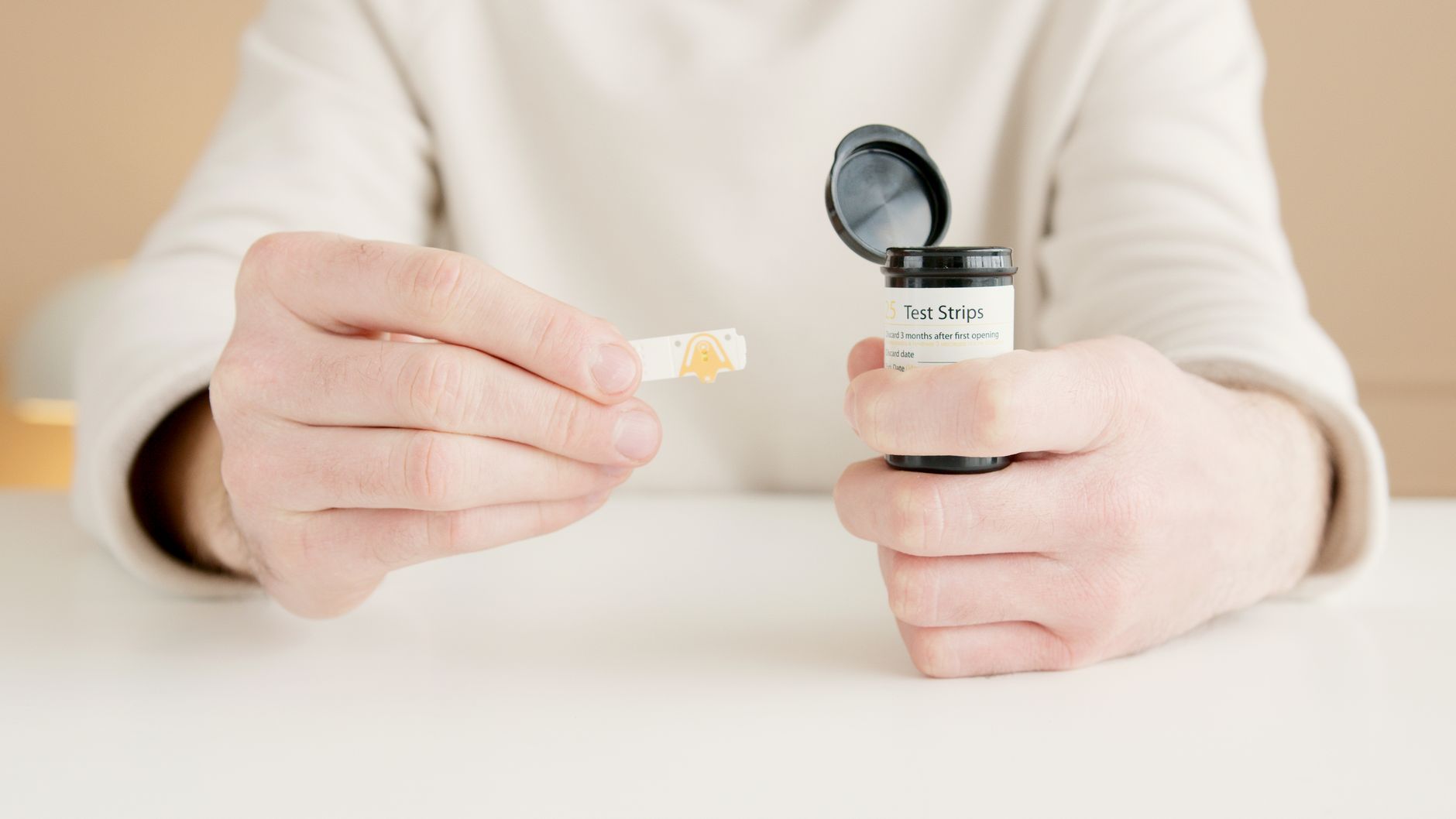
Diabetes is a common chronic condition that affects millions in India and worldwide. It’s a disease where your body either doesn’t make enough insulin or can’t effectively use the insulin it produces. Insulin is a vital hormone that acts like a key, allowing glucose (sugar) from your food to enter your body’s cells for energy. Without enough functional insulin, glucose builds up in your bloodstream, leading to high blood sugar levels. While the term 'diabetes' often conjures a single image, there are distinct types, with Type 1 and Type 2 being the most prevalent. Understanding the differences between these two is essential for proper diagnosis, management, and prevention.
For a long time, Type 1 diabetes was called 'juvenile diabetes' and Type 2 was considered an 'adult-onset' disease. However, medical professionals now know that this is a misconception. Both types can be diagnosed at any age. Children can develop Type 2 diabetes, and adults can be diagnosed with Type 1. The underlying causes, however, are quite different, impacting how each type is managed.
What is Type 1 Diabetes?
Type 1 diabetes (T1D) is an autoimmune condition. This means your body’s own immune system, which is supposed to protect you from harmful invaders like bacteria and viruses, mistakenly attacks and destroys the insulin-producing beta cells in your pancreas. Why this happens is still a subject of ongoing research, but it's believed to involve a combination of genetic predisposition and environmental factors, such as certain viral infections. The result? Your pancreas produces very little or no insulin at all. Think of it as the key factory shutting down completely.
Unlike Type 2 diabetes, T1D is not directly linked to lifestyle choices like diet or physical activity. While these factors are important for overall health, they don't cause Type 1 diabetes. People with T1D require lifelong insulin therapy, usually through injections or an insulin pump, to survive and manage their blood glucose levels.
Symptoms of Type 1 Diabetes
The onset of Type 1 diabetes can be relatively sudden, and symptoms often appear quickly. Common signs include:
- Increased thirst
- Frequent urination
- Extreme hunger
- Unexplained weight loss
- Fatigue or tiredness
- Irritability or mood changes
- Blurred vision
What is Type 2 Diabetes?
Type 2 diabetes (T2D) is the most common form of diabetes, accounting for about 90-95% of all diagnosed cases. In T2D, your body either doesn't produce enough insulin or, more commonly, your cells become resistant to the insulin that is produced. This is known as insulin resistance. Your pancreas tries to compensate by making more insulin, but eventually, it can't keep up, and glucose levels in your blood rise.
T2D often develops gradually over many years. Lifestyle factors play a significant role in its development. These include:
- Being overweight or obese
- Physical inactivity
- Unhealthy eating habits
- A family history of diabetes
- History of gestational diabetes (diabetes during pregnancy)
While genetics play a role in both types, lifestyle is a major contributor to T2D. The good news is that T2D can often be managed, and in some cases, even reversed, through significant lifestyle changes.
Symptoms of Type 2 Diabetes
Symptoms of T2D can be subtle and may go unnoticed for years. They often overlap with T1D symptoms and can include:
- Increased thirst
- Frequent urination
- Increased hunger
- Fatigue
- Blurred vision
- Slow-healing sores or frequent infections
- Areas of darkened skin, usually in the armpits and neck (acanthosis nigricans)
A Real-Life Scenario: Priya, a 45-year-old homemaker, noticed she was constantly thirsty and felt unusually tired, even after a full night's sleep. She also found herself making frequent trips to the restroom. Initially, she dismissed it as stress from managing her household and children's schoolwork. However, when she started losing weight without trying and her vision seemed a bit blurry, she decided to see her doctor. Her doctor suspected diabetes and recommended immediate tests.
Key Differences at a Glance
Let's break down the core distinctions:
- Cause: T1D is autoimmune; T2D is largely lifestyle-related (insulin resistance).
- Insulin Production: T1D: Little to no insulin produced. T2D: Body produces insulin, but cells don't use it effectively.
- Onset: T1D: Often rapid, can occur at any age. T2D: Usually gradual, often in adulthood, but increasingly seen in younger people.
- Treatment: T1D: Lifelong insulin therapy is essential. T2D: Managed with diet, exercise, oral medications, and sometimes insulin.
- Prevention: T1D: Currently not preventable. T2D: Often preventable or delayable through healthy lifestyle choices.
Diagnosis: How Doctors Identify Diabetes Types
Diagnosing diabetes involves blood tests that measure your blood glucose (sugar) levels. The main tests include:
- A1C Test: This gives an average of your blood sugar levels over the past 2-3 months.
- Fasting Plasma Glucose (FPG) Test: Measures your blood sugar after an overnight fast.
- Oral Glucose Tolerance Test (OGTT): Measures your blood sugar before and 2 hours after drinking a sugary liquid.
- Random Plasma Glucose Test: Measures blood sugar at any time, regardless of when you last ate.
Your doctor will use these results, along with your symptoms and medical history, to determine the type of diabetes you have. Identifying the correct type is crucial for developing the most effective treatment plan.
Treatment Approaches
The management of diabetes aims to keep blood glucose levels within a target range to prevent complications. The treatment strategy differs significantly between T1D and T2D.
Type 1 Diabetes Treatment
Since the body doesn't produce insulin, people with T1D must replace it. This involves:
- Insulin Therapy: Administering insulin through injections (using a syringe or pen) or an insulin pump. The dosage and type of insulin are adjusted based on blood sugar monitoring, food intake, and physical activity.
- Blood Glucose Monitoring: Regularly checking blood sugar levels using a glucose meter or a continuous glucose monitor (CGM).
- Carbohydrate Counting: Learning to estimate the amount of carbohydrates in meals and snacks to match insulin doses.
- Healthy Lifestyle: While not a cure, a balanced diet and regular physical activity are vital for overall health and can help with blood sugar management.
Type 2 Diabetes Treatment
Treatment for T2D often starts with lifestyle modifications and may progress to medication:
- Healthy Eating: Focusing on a balanced diet rich in fruits, vegetables, whole grains, and lean proteins, while limiting sugary drinks, processed foods, and unhealthy fats.
- Regular Physical Activity: Aiming for at least 150 minutes of moderate-intensity aerobic activity per week, plus muscle-strengthening activities.
- Weight Management: Losing even a modest amount of weight can significantly improve insulin sensitivity.
- Oral Medications: If lifestyle changes aren't enough, doctors may prescribe oral medications like metformin to improve insulin sensitivity or increase insulin production.
- Injectable Medications (Non-Insulin): Certain injectable medications can help lower blood sugar.
- Insulin Therapy: Some people with T2D may eventually need insulin therapy if their pancreas can no longer produce enough to manage blood sugar.
Preventing and Managing Diabetes
While Type 1 diabetes cannot be prevented, Type 2 diabetes often can be. Making conscious choices about your health can make a big difference:
- Maintain a Healthy Weight: If you are overweight, losing even 5-10% of your body weight can reduce your risk.
- Eat a Balanced Diet: Prioritize whole foods, limit processed items and sugary beverages.
- Stay Active: Incorporate regular physical activity into your daily routine.
- Regular Check-ups: Get regular health screenings, especially if you have risk factors.
For those already diagnosed, consistent management is key. This includes regular monitoring, adhering to your treatment plan, and maintaining open communication with your healthcare team.
When to Consult a Doctor
It's important to seek medical advice if you experience any of the common diabetes symptoms, such as increased thirst, frequent urination, unexplained weight loss, or persistent fatigue. Early diagnosis and intervention can prevent serious long-term health complications.
If you have been diagnosed with diabetes, regular follow-ups with your doctor and diabetes care team are essential. They will help you adjust your treatment plan as needed and monitor for any potential complications.
Frequently Asked Questions (FAQ)
Can you have both Type 1 and Type 2 diabetes?
It is extremely rare, but theoretically possible for someone to have characteristics of both types. However, typically, individuals are diagnosed with one or the other.
Is Type 1 diabetes curable?
Currently, there is no cure for Type 1 diabetes. It requires lifelong management with insulin therapy. However, research into potential cures, such as islet cell transplantation, is ongoing.
Can Type 2 diabetes be reversed?
In many cases, Type 2 diabetes can be put into remission or reversed through significant and sustained weight loss and lifestyle changes, especially if diagnosed early.
Does diet cause diabetes?
While diet doesn't directly *cause* Type 1 diabetes, unhealthy eating habits are a major risk factor for developing Type 2 diabetes. A balanced diet is crucial for managing both types.