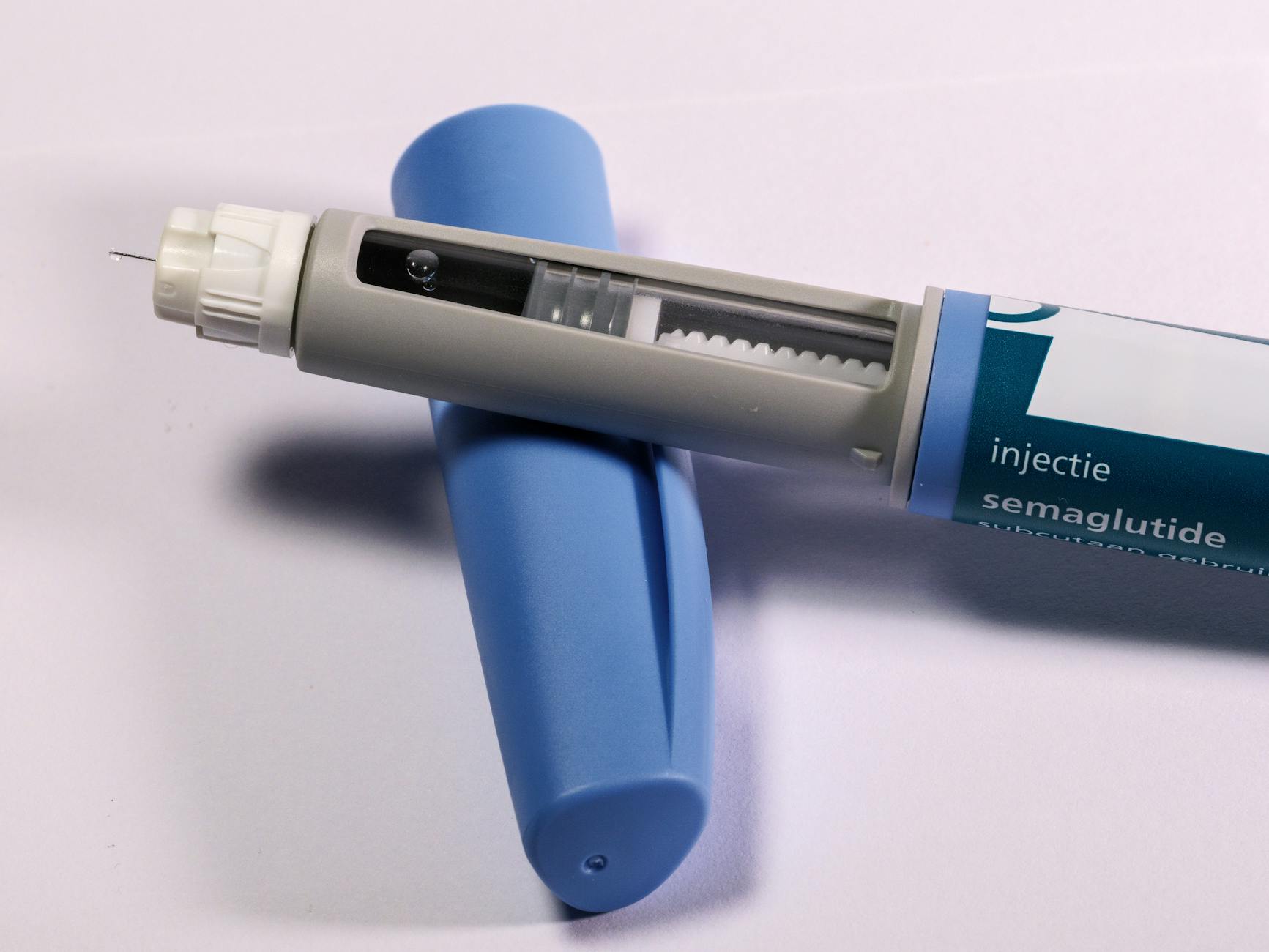
Understanding Tzield (Teplizumab-mzwv) for Type 1 Diabetes Management
Type 1 diabetes is a chronic autoimmune condition where the body's immune system mistakenly attacks and destroys the insulin-producing beta cells in the pancreas. This leads to a severe deficiency in insulin, a hormone essential for regulating blood sugar levels. While managing type 1 diabetes has traditionally focused on lifelong insulin replacement therapy, recent advancements have introduced new therapeutic avenues. Tzield, also known by its generic name teplizumab-mzwv, represents a significant development in this field. It is a prescription medication approved to delay the onset of stage 3 type 1 diabetes in individuals who have stage 2 type 1 diabetes. This means it is used in people who have at least two diabetes-related autoantibodies and abnormal blood glucose levels, but have not yet developed the full symptomatic disease.
What is Tzield and How Does it Work?
Tzield belongs to a class of drugs known as biologics. Its active ingredient, teplizumab-mzwv, is a monoclonal antibody. It works by targeting and modulating the immune system's response. Specifically, it binds to certain immune cells (T-lymphocytes) that are involved in the autoimmune attack on the pancreas. By doing so, Tzield aims to slow down or halt this destructive process, thereby preserving the remaining beta cell function and delaying the progression to symptomatic type 1 diabetes (stage 3).
Dosage and Administration of Tzield
Tzield is administered intravenously (IV infusion), meaning it is given directly into a vein over a period of time. It is not a medication that can be taken orally or self-injected at home. The standard course of treatment involves an IV infusion once daily for 14 consecutive days. Each infusion typically lasts about 30 minutes and is administered in a healthcare setting, such as a doctor's office or an infusion clinic.
Dosage for Adults and Children
The dosage of Tzield is determined based on the patient's body surface area (mcg/m²). While the specific dosage calculations are complex and determined by a healthcare professional, the principle remains consistent for both adults and children aged 8 years and older who meet the criteria for treatment. The goal is to administer the optimal dose that effectively modulates the immune response without causing undue side effects.
What to Expect During Infusion
Receiving an IV infusion of Tzield is a medical procedure. Before the infusion begins, especially during the first five days of treatment, your doctor may administer certain medications to help prevent potential infusion-related reactions. These reactions can include symptoms like fever, rash, or changes in blood pressure. The medical team will monitor you closely throughout the infusion process to ensure your safety and comfort.
Important Considerations for Tzield Treatment
Missed Doses
If you miss an appointment for your Tzield infusion, it is crucial to contact your doctor's office immediately to reschedule. It is important to note that you will not receive two infusions on the same day to compensate for a missed dose. Adhering to the prescribed schedule is vital for the treatment's effectiveness. If you have trouble remembering your appointments, consider using reminders like alarms on your phone or a calendar.
Tzield vs. Long-Term Treatments
It is essential to understand that Tzield is not a long-term treatment in the same way that daily insulin injections are. Tzield is administered as a 14-day course of infusions. Its purpose is to delay the progression of type 1 diabetes. Patients receiving Tzield will still require ongoing management of their blood sugar levels, which often includes insulin therapy, as prescribed by their doctor. Unlike insulin injections (e.g., Lantus), which are given subcutaneously (under the skin) for chronic management, Tzield is an IV infusion with a defined treatment duration.
Potential Side Effects
As with any medication, Tzield can cause side effects. Common side effects may include infusion-related reactions, such as fever, rash, itching, or changes in blood pressure. Other potential side effects can involve changes in blood cell counts, headaches, and fatigue. Your doctor will discuss the potential risks and benefits of Tzield with you and will monitor you for any adverse reactions during and after treatment. It is important to report any new or worsening symptoms to your healthcare provider promptly.
When to Consult a Doctor
Tzield is a prescription medication, and its use is determined by a healthcare professional. You should consult a doctor if you have been diagnosed with stage 2 type 1 diabetes (i.e., have at least two diabetes-related autoantibodies and abnormal blood glucose levels but no symptoms). A doctor will assess your individual situation, including your medical history and current health status, to determine if Tzield is an appropriate treatment option for you. Furthermore, if you are undergoing Tzield treatment and experience any concerning side effects or have questions about your dosage or schedule, do not hesitate to reach out to your healthcare provider.
Conclusion
Tzield (teplizumab-mzwv) offers a novel approach to managing type 1 diabetes by targeting the underlying autoimmune process. Its administration as a 14-day IV infusion course aims to delay the progression of the disease, potentially preserving pancreatic beta cell function for longer. Understanding the dosage, administration, and potential implications of Tzield treatment is crucial for patients and their families. Always discuss treatment options and any concerns with your healthcare provider to ensure the best possible outcomes in managing type 1 diabetes.