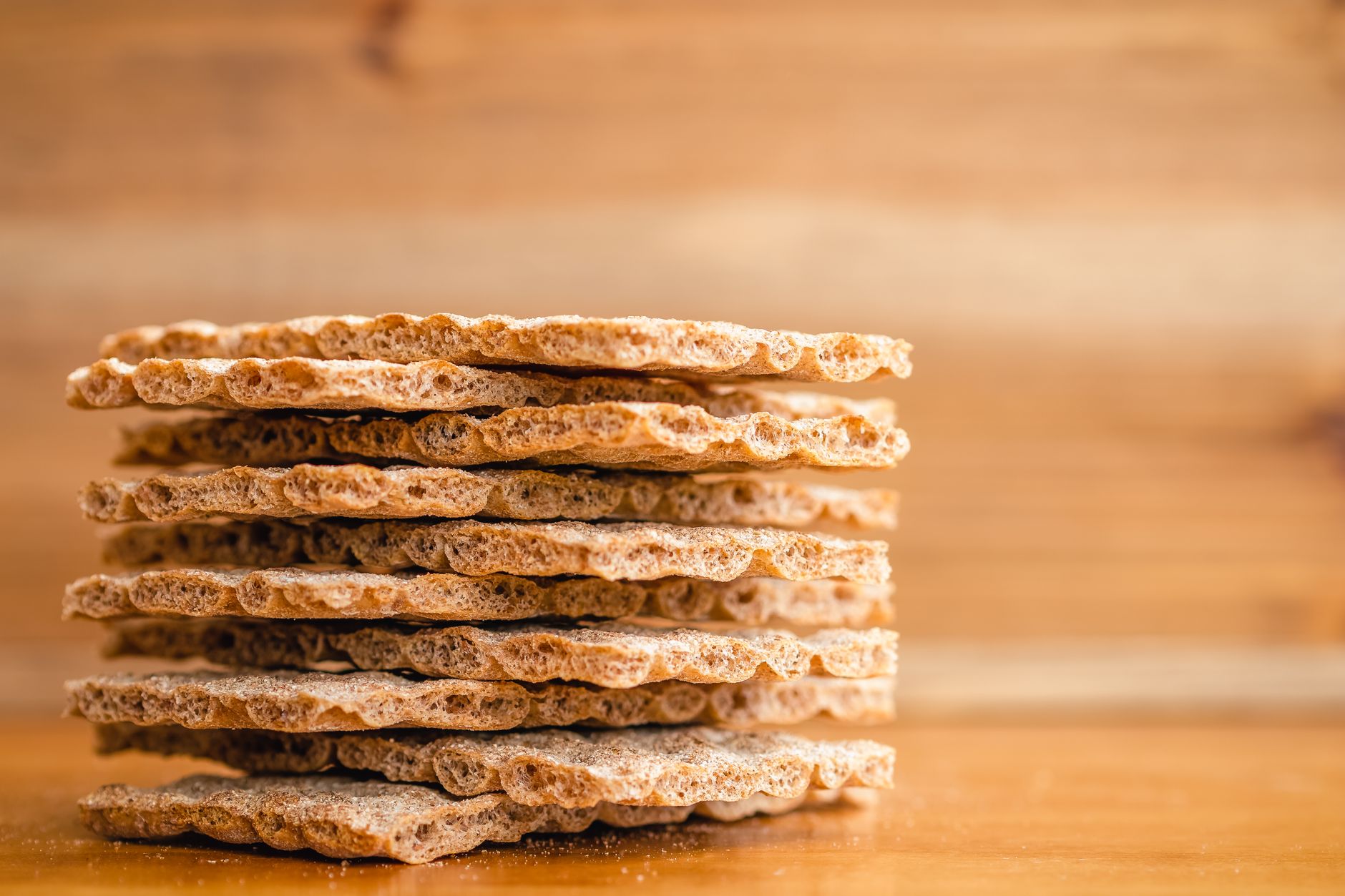
Living with ulcerative colitis (UC) can sometimes feel like a constant balancing act, especially when it comes to food. UC, a chronic inflammatory bowel disease (IBD), affects the large intestine and rectum, leading to inflammation that can cause uncomfortable symptoms like diarrhea, abdominal pain, and fatigue. While certain foods might trigger flare-ups, the good news is that many delicious and nutritious options can help manage symptoms and support you during periods of remission. Understanding Ulcerative Colitis and Diet The connection between diet and UC is complex. For some, high-fiber foods, excessive sugar, or fatty items can be problematic, particularly during a flare-up. However, during remission, a more varied diet might be manageable. The key is to identify what works best for your body. This often involves listening to your gut, keeping a food diary, and focusing on nutrient-dense foods that are easier to digest. A common scenario is feeling anxious about eating when you know you have UC. For instance, you might be invited to a friend's house for dinner and worry about what to eat, fearing a potential flare-up. This anxiety is understandable, but having a list of safe and satisfying snack options can provide immense relief and empower you to navigate social situations with more confidence. Snack Ideas for Ulcerative Colitis The goal of these snack ideas is to provide comfort, essential nutrients, and satisfaction without aggravating your UC symptoms. We’ll focus on options that are generally well-tolerated, keeping in mind that individual tolerance can vary. During a flare-up, prioritizing low-fiber fruits and vegetables, lean proteins, and refined grains is often recommended. If lactose is an issue, lactose-free or dairy-free alternatives are excellent choices. 1. Greek Yogurt with Melon Greek yogurt is a powerhouse of probiotics, those beneficial bacteria that can contribute to a healthier gut microbiome and potentially help keep UC in remission. Its creamy texture is often soothing. Opt for plain, low-fat Greek yogurt to minimize added sugars and fat. Pairing it with sweet, low-fiber fruits like cantaloupe or honeydew melon adds natural sweetness and hydration. Why it works: Probiotics support gut health, and melon is hydrating and easy to digest. If lactose is a concern, choose a lactose-free yogurt or a dairy-free alternative like soy or almond yogurt. 2. Hummus with Pita Chips (Refined) Hummus, made from chickpeas, offers protein and is a good source of iron and folate. Chickpeas contain a type of soluble fiber called raffinose, which, when broken down by gut bacteria, can produce butyrate. Butyrate is a fatty acid thought to help reduce inflammation in the colon. Start with a small portion, such as 1/4 cup of hummus. Pairing tip: Choose refined white pita chips over whole wheat. Whole wheat chips can be high in fiber, which might be problematic during a flare. Stick to a small serving of pita chips to manage fiber intake. 3. Banana Smoothie Bananas are a fantastic low-fiber snack that is easily digestible. They are also rich in potassium, an electrolyte that can be depleted during bouts of diarrhea. To make a simple banana smoothie, blend a ripe banana with low-fat milk or a lactose-free milk alternative (like almond, soy, or oat milk), a scoop of Greek yogurt, and a few ice cubes. Customization: Ensure the banana is ripe, as this makes it softer and easier to digest. If you find even bananas bothersome, try a smaller portion or a different low-fiber fruit. 4. Omelet Muffins with Low-Fiber Vegetables These are a convenient and customizable option for a quick snack or light meal. Whisk eggs and pour them into muffin tins. You can add finely chopped, low-fiber vegetables like spinach or zucchini. Bake until set. Preparation: For spinach omelet muffins, you'll need about one 10-ounce package of frozen spinach, thawed and squeezed dry. Mix with beaten eggs and pour into muffin cups. Bake at 350°F (180°C) for 20–22 minutes. Serve with sliced carrots and cucumbers for dipping, as these are generally well-tolerated in moderation. 5. Cheese and Crackers Cheese is a good source of protein, fat, and calcium, which is an important nutrient for bone health. Opt for cheeses that are lower in lactose, such as hard, aged cheeses like cheddar or Swiss, or try lactose-free cheese options available in many stores. Cracker choice: Pair cheese with refined crackers made from white flour, such as saltines or water crackers. Avoid whole-grain or high-fiber crackers, especially when experiencing UC symptoms. 6. Roasted Chickpeas If you tolerate hummus, you might be able to enjoy roasted chickpeas. They offer a satisfying crunch and are packed with protein and fiber. To prepare, toss a can of drained chickpeas with 2 teaspoons of olive oil and a pinch of garlic powder. Roast at 350°F (180°C) for about 45 minutes until browned and slightly crispy. Portion control: Start with a small serving, like 1/4 cup, to gauge your tolerance. The fiber content can be significant, so mindful consumption is key. 7. Artichoke Dip with Veggies While a whole artichoke can be high in fiber, a serving of artichoke dip is usually much lower. The dip is often made with ingredients like spinach, cream cheese, and Parmesan, which are generally well-tolerated. Pair with low-fiber vegetable sticks like carrots or cucumbers for dipping. Moderation is key: Be mindful of the ingredients in store-bought dips, as some can be high in fat or sodium. Making your own allows for better control over ingredients. 8. Cereal with Low-Fat Milk or Alternative For those who find high-fiber bran or wheat cereals triggering, lower-fiber options can be a good choice. Think cornflakes, rice puffs, or plain oatmeal. Top with sliced bananas or a small amount of low-sugar fruit compote. Milk options: Use low-fat milk or a dairy-free alternative like soy, oat, or almond milk if lactose is an issue. 9. Baked Sweet Potato Fries Sweet potatoes, when baked until soft, can be a good source of vitamins and minerals. They have a moderate fiber content, so start with a small portion. Peel them and cut into fries, toss with a little olive oil, and bake until tender. Seasoning: Keep seasonings simple, avoiding heavy spices that might irritate your gut. 10. Rice Cakes with Avocado Plain rice cakes are a very low-fiber base. Avocado provides healthy fats and can be surprisingly well-tolerated by many with UC. Mash a small amount of ripe avocado and spread it on a plain rice cake. Add a pinch of salt if desired. Avocado caution: While generally good, start with a small amount of avocado to see how your body reacts, as some individuals find even healthy fats challenging during flares. Tips for Choosing and Preparing Snacks Focus on Low Fiber: During a flare, prioritize foods low in fiber. This includes refined grains, well-cooked or pureed vegetables, and low-fiber fruits. Consider Lactose Intolerance: Many people with UC experience lactose intolerance. Opt for lactose-free dairy products or dairy alternatives like almond, soy, or oat milk and yogurt. Control Portion Sizes: Even safe foods can cause issues if eaten in large quantities. Stick to moderate portions for snacks. Cook Thoroughly: Raw vegetables can be harder to digest. Opt for steamed, baked, or pureed versions. Keep it Simple: Avoid excessive spices, high fat, and high sugar in your snacks. Plain and simple is often best. Stay Hydrated: Pair your snacks with plenty of water or other clear fluids. When to Consult Your Doctor or a Dietitian While these snack ideas can be helpful, it's essential to remember that UC is a serious condition. Always consult with your healthcare provider or a registered dietitian specializing in IBD before making significant changes to your diet. They can help you create a personalized eating plan based on your specific condition, symptoms, and nutritional needs. Seek professional guidance if: You are experiencing persistent or worsening symptoms. You are unsure about which foods are safe for you. You are concerned about nutritional deficiencies. You are planning a significant dietary change. Your doctor can also advise on supplements, like probiotics, which a 2023 review suggested may help keep UC in remission for some individuals. However, always discuss supplement use with your doctor first. Frequently Asked Questions (FAQ) Q1: Can I eat spicy snacks with ulcerative colitis? Generally, it's best to avoid spicy foods, especially during a UC flare-up, as they can irritate the digestive tract and worsen symptoms. Stick to milder flavors. Q2: Is it safe to eat nuts and seeds with UC? Nuts and seeds can be high in fiber and difficult to digest for some people with UC. If you want to include them, try ground or finely chopped versions, or nut butters, in small amounts, and monitor your tolerance carefully. Whole nuts and seeds are often best avoided during flares. Q3: How can I tell if a snack is triggering my UC? Keep a food diary. Note down everything you eat and any symptoms you experience. Look for patterns that link specific foods or ingredients to your discomfort. It's also helpful to introduce new foods one at a time in
In summary, timely diagnosis, evidence-based treatment, and prevention-focused care improve long-term health outcomes.