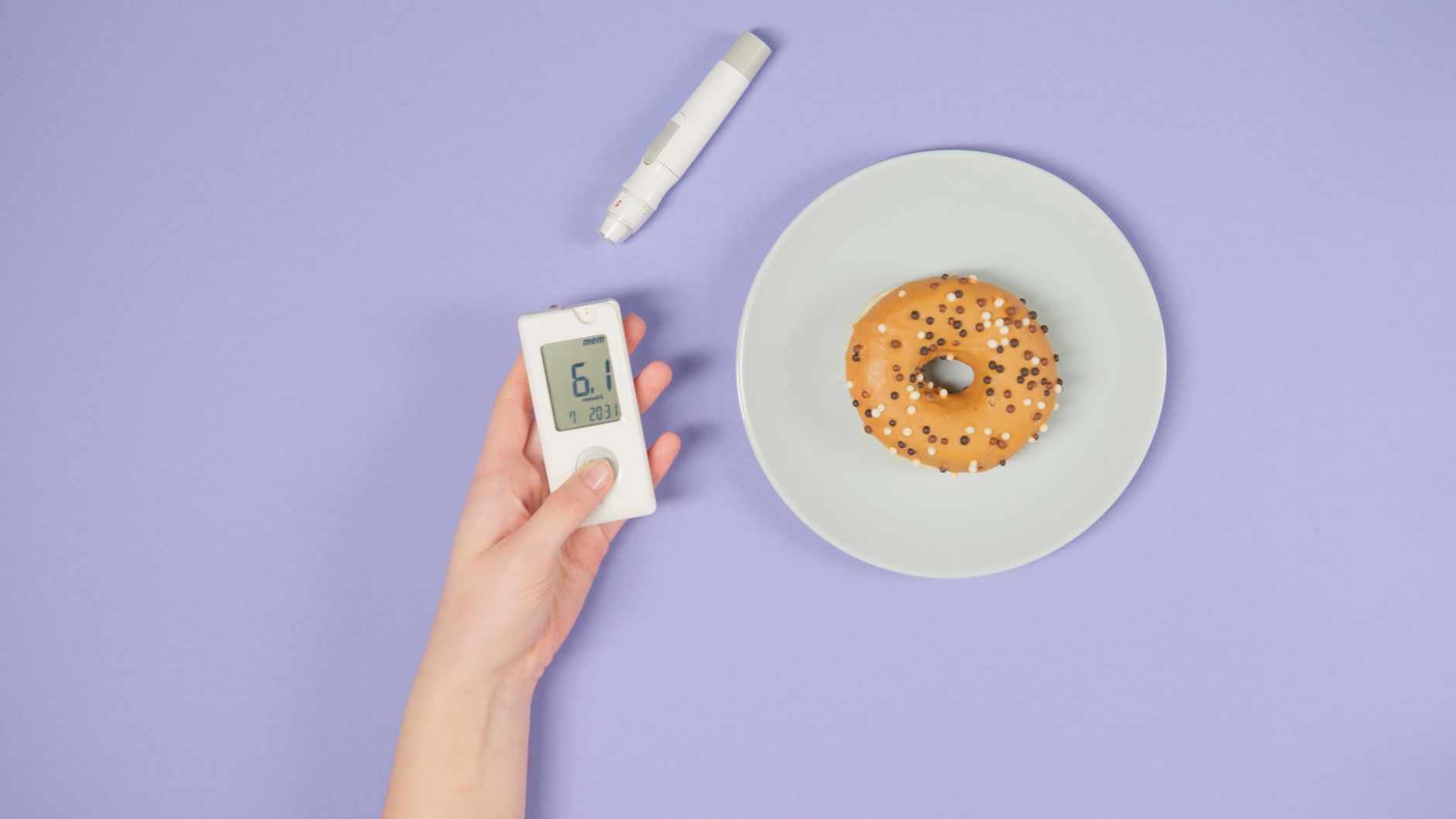
Understanding and Managing Hyperglycemia in Type 2 Diabetes Type 2 Diabetes Mellitus (T2DM) is a chronic condition affecting millions worldwide, and a common challenge faced by individuals with T2DM is hyperglycemia, or high blood sugar. Unlike Type 1 Diabetes, where the body produces little to no insulin, T2DM is characterized by insulin resistance and an inadequate insulin release, both of which can lead to elevated blood glucose levels. This article delves into the intricacies of hyperglycemia in T2DM, providing practical guidance for Indian readers on recognizing, managing, and preventing its associated complications. What is Hyperglycemia in Type 2 Diabetes? Hyperglycemia occurs when the blood glucose level rises above the normal range. For individuals with T2DM, specific thresholds are used to define hyperglycemia: Fasting Blood Sugar: Generally considered high if it is above 130 mg/dL. Post-Meal Blood Sugar: Considered high if it is above 180 mg/dL two hours after eating. It's important to note that blood sugar levels can fluctuate daily due to various factors like diet, physical activity, stress, and medication adherence. However, persistently high levels indicate a need for intervention. Symptoms of Hyperglycemia Early stages of hyperglycemia may not present with obvious symptoms, especially if the elevation is mild. However, as blood sugar levels continue to rise, several signs and symptoms may emerge. Recognizing these is crucial for timely intervention: Increased thirst (polydipsia) Frequent urination (polyuria) Unexplained weight loss Increased hunger (polyphagia) Fatigue and lethargy Blurred vision Slow healing of wounds or infections Fruity-smelling breath (in severe cases, indicating ketones) If these symptoms persist for more than a day, it is essential to seek medical advice promptly, as severe hyperglycemia can lead to serious complications. Causes of Hyperglycemia in Type 2 Diabetes Several factors can contribute to hyperglycemia in individuals with T2DM: Inadequate Insulin Action: Either the body doesn't produce enough insulin, or the body's cells don't respond effectively to the insulin produced (insulin resistance). Dietary Factors: Consuming meals high in carbohydrates, especially refined sugars and processed foods, can cause blood sugar spikes. Lack of Physical Activity: Exercise helps the body use insulin more effectively and lowers blood sugar. Insufficient activity can lead to higher levels. Stress: Physical or emotional stress can trigger the release of hormones that raise blood sugar levels. Illness or Infection: When the body is fighting an illness, it releases hormones that can increase blood sugar. Medication Issues: Skipping doses of diabetes medication, incorrect dosage, or improper administration of insulin can lead to hyperglycemia. Dehydration: Not drinking enough fluids can concentrate blood sugar. Diagnosis of Hyperglycemia The diagnosis of hyperglycemia is primarily made through blood glucose monitoring. This can be done in several ways: Self-Monitoring of Blood Glucose (SMBG): Using a home glucose meter, individuals can check their blood sugar levels at various times of the day, as recommended by their doctor. Continuous Glucose Monitoring (CGM): These devices provide real-time readings of glucose levels throughout the day and night. HbA1c Test: This blood test provides an average of blood sugar levels over the past 2-3 months. Fasting Blood Glucose Test: Measures blood sugar after an overnight fast. Oral Glucose Tolerance Test (OGTT): Measures blood sugar before and after drinking a sugary liquid. Your doctor will interpret these results in the context of your symptoms and medical history to confirm hyperglycemia and assess its severity. Treatment and Management of Hyperglycemia Managing hyperglycemia is crucial to prevent both short-term and long-term complications. The treatment approach is individualized and may involve a combination of lifestyle modifications and medical interventions: Lifestyle Modifications: Dietary Changes: Focus on a balanced diet rich in whole grains, lean proteins, fruits, and vegetables. Limit intake of sugary drinks, processed foods, and refined carbohydrates. Consult a registered dietitian for a personalized meal plan. Regular Physical Activity: Aim for at least 150 minutes of moderate-intensity aerobic exercise per week, along with muscle-strengthening activities. Stress Management: Practice relaxation techniques like deep breathing, meditation, or yoga. Adequate Hydration: Drink plenty of water throughout the day. Regular Monitoring: Consistently check blood glucose levels as advised by your healthcare provider. Medical Interventions: Oral Medications: Various oral antidiabetic drugs are available to improve insulin sensitivity, stimulate insulin production, or reduce glucose production by the liver. Injectable Medications (Non-Insulin): Some injectable medications can help manage blood sugar levels. Insulin Therapy: In cases where oral medications are insufficient or blood sugar levels are very high, insulin therapy may be necessary. It's important to understand that starting insulin is not a sign of failure but a necessary step to achieve optimal blood sugar control. Your doctor will determine the most appropriate treatment plan based on your individual needs, blood sugar levels, and overall health. Complications of Untreated Hyperglycemia If left unmanaged, hyperglycemia can lead to severe short-term and long-term health problems: Short-Term Complications: Diabetic Ketoacidosis (DKA): A life-threatening condition where the body produces excess ketones, leading to a buildup of acid in the blood. Symptoms include nausea, vomiting, abdominal pain, rapid breathing, and confusion. DKA requires immediate medical attention. Hyperosmolar Hyperglycemic State (HHS): Another serious complication characterized by extremely high blood sugar levels and severe dehydration, leading to confusion, seizures, and coma. Long-Term Complications: Cardiovascular Disease: Increased risk of heart disease, heart attacks, and stroke. Nephropathy: Damage to the kidneys, potentially leading to kidney failure. Retinopathy: Damage to the blood vessels in the retina, causing vision changes and potential blindness. Neuropathy: Nerve damage, particularly in the feet and legs, leading to pain, numbness, and
In summary, timely diagnosis, evidence-based treatment, and prevention-focused care improve long-term health outcomes.