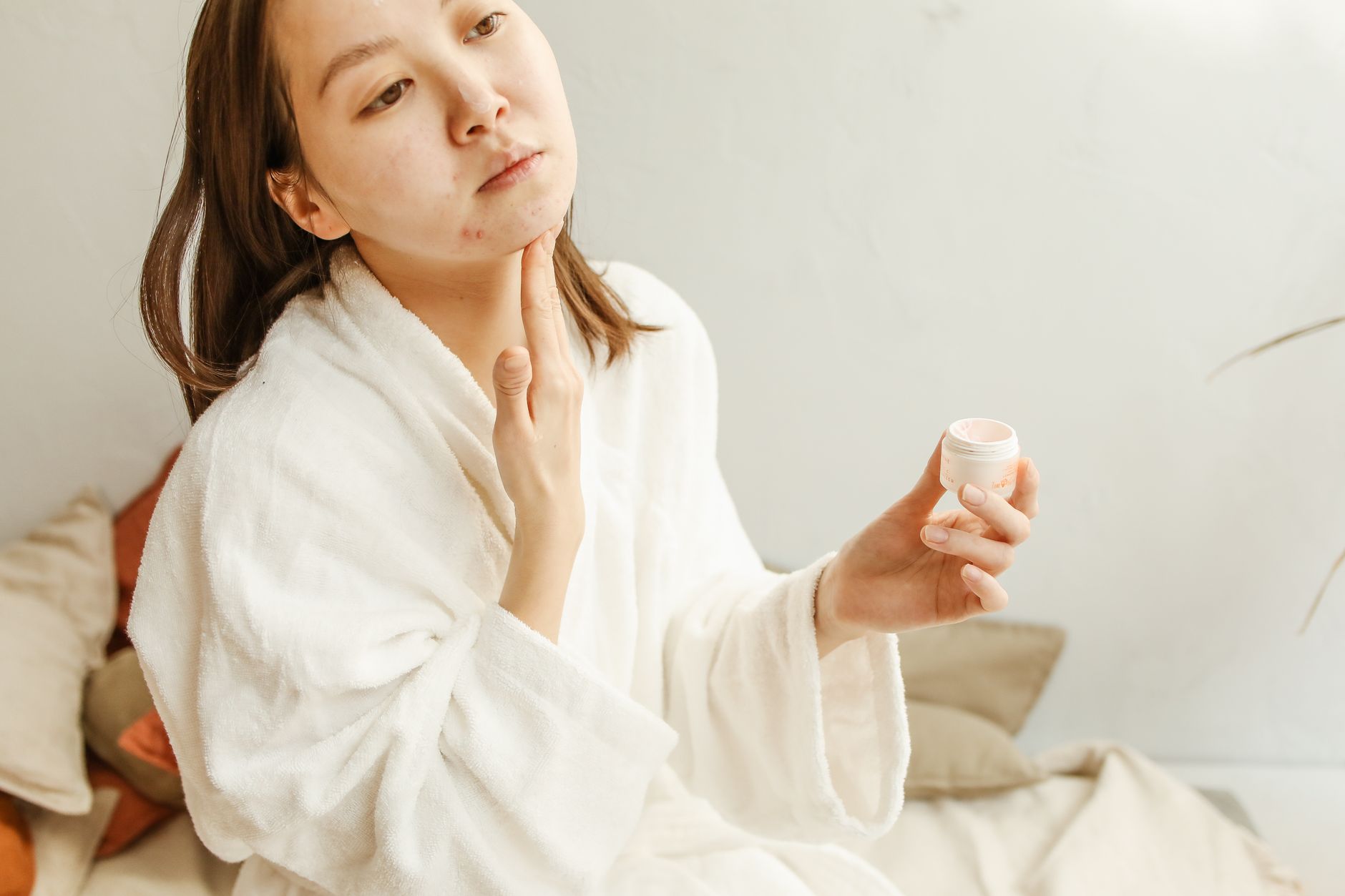
Acne, a common skin condition, affects many of us at some point. While the pimples themselves can be bothersome, what often lingers long after they disappear are the scars they leave behind. For us in India, where fair skin is often admired, acne scars can significantly impact our confidence. This guide aims to demystify acne scars, explaining their types, causes, and effective treatment options available, keeping in mind our specific concerns and resources.
What Exactly Are Acne Scars?
Acne scars are the marks left on the skin after a pimple or acne lesion heals. They form when the skin’s natural healing process doesn’t go quite right. This can happen when acne is severe, or when we can't resist picking or squeezing those bothersome spots. Picking at acne damages the skin’s collagen, the protein that gives our skin structure and elasticity, leading to scarring.
It's important to understand that not all acne leads to scars. Mild acne, like a few whiteheads or blackheads, usually heals without leaving a permanent mark. However, deeper, more inflamed acne, such as cystic acne, is more likely to result in scarring because it causes more significant damage to the skin.
The Two Main Types of Acne Scars
Acne scars generally fall into two main categories:
1. Atrophic Scars (Depressed Scars)
These are the most common type of acne scars. They appear as indentations or depressions in the skin because there wasn't enough collagen produced during the healing process. Think of them as little dips or craters on your skin’s surface. There are three subtypes of atrophic scars:
- Ice Pick Scars: These are narrow, deep, and pointed scars that go deep into the skin. They often look like small holes or punctures, and they are particularly common on the cheeks. Treating these can be challenging due to their depth.
- Boxcar Scars: These are wider depressions with clear, sharp edges, resembling a box. They can be shallow or deep and are often found on the cheeks and jawline, areas where the skin is thicker. They typically result from widespread acne or even past chickenpox.
- Rolling Scars: These scars have sloping edges and varying depths, giving the skin a wavy or uneven appearance, much like rolling hills. They create a textured look on the skin’s surface.
2. Hypertrophic Scars and Keloids (Raised Scars)
Unlike atrophic scars, hypertrophic and keloid scars are raised. They occur when the body produces too much collagen during the healing process, causing the scar tissue to build up above the skin’s surface.
- Hypertrophic Scars: These scars are the same size as the original acne lesion. They are firm, raised bumps.
- Keloid Scars: These are more aggressive than hypertrophic scars. They grow larger than the original wound and can extend beyond the initial injury site, forming thick, rubbery-looking bumps. They can sometimes be itchy or tender.
What Causes Acne Scars?
Several factors contribute to the development of acne scars:
- Severity of Acne: The more severe your acne, especially if it involves deep cysts or nodules, the higher the risk of scarring.
- Inflammation: Significant inflammation damages the skin’s collagen.
- Picking or Squeezing Pimples: This is a major culprit! When you pick or squeeze acne, you push bacteria deeper into the skin and increase inflammation, leading to more significant collagen damage and scarring.
- Genetics: Some individuals are genetically predisposed to developing scars more easily than others.
- Skin Type and Tone: Certain skin tones may be more prone to post-inflammatory hyperpigmentation (dark spots) which can sometimes be mistaken for or coexist with true scarring.
Consider Priya, a young professional in Mumbai. She struggled with cystic acne during her college years. Despite warnings, she often picked at the large, painful pimples on her chin. Now, years later, she’s left with deep, noticeable boxcar scars on her jawline, which make her feel self-conscious during client meetings.
Diagnosis: Identifying Your Acne Scars
Diagnosing acne scars is usually straightforward and done by a dermatologist. They will examine your skin, noting the type, depth, and distribution of the scars. Sometimes, they might use a dermatoscope for a closer look. The key is to differentiate between true scars and post-inflammatory hyperpigmentation (PIH), which are dark spots left by acne but are not actual textural changes in the skin.
Treatment Options for Acne Scars
The good news is that effective treatments are available to improve the appearance of acne scars. The best approach often involves a combination of treatments tailored to your specific scar types and skin concerns. Consulting a dermatologist is highly recommended for a personalized plan.
Treatments for Atrophic Scars (Depressed Scars)
The goal here is to stimulate collagen production and resurface the skin to level out the depressions.
- Chemical Peels: These use acids to remove the outer layers of skin, encouraging new, smoother skin to grow. Medium to deep peels are often used for acne scars.
- Dermal Fillers: Injectable fillers can be used to temporarily plump up depressed scars, making them level with the surrounding skin.
- Microneedling: This procedure involves using fine needles to create tiny punctures in the skin, which stimulates the body’s natural healing response and boosts collagen production. Radiofrequency (RF) microneedling combines this with heat for enhanced results.
- Laser Resurfacing: Different types of lasers (ablative and non-ablative) can be used to remove damaged skin layers and stimulate collagen. Fractional lasers are popular as they treat small areas at a time, allowing for faster healing.
- Subcision: This technique is used for rolling scars. A needle is inserted under the scar to break up the fibrous bands that pull the scar down, allowing the skin to lift.
- TCA CROSS (Chemical Reconstruction Of Skin Scars): High-concentration trichloroacetic acid (TCA) is applied directly into ice pick or narrow boxcar scars to stimulate collagen and lift the scar.
Treatments for Hypertrophic Scars and Keloids (Raised Scars)
The aim is to flatten and soften the raised scar tissue.
- Corticosteroid Injections: Steroids injected directly into the scar can help flatten it and reduce inflammation.
- Silicone Sheeting or Gels: Applying silicone products consistently can help hydrate and soften raised scars.
- Cryotherapy: Freezing the scar tissue can help flatten it.
- Laser Therapy: Certain lasers can help reduce redness and flatten raised scars.
- Surgical Excision: In some cases, especially for large keloids, surgical removal might be considered, often followed by other treatments to prevent recurrence.
Home Remedies and Prevention
While professional treatments are most effective for established scars, some home care can help manage mild hyperpigmentation and prevent new scars:
- Sun Protection: This is non-negotiable! Always use a broad-spectrum sunscreen with an SPF of at least 30, even on cloudy days. Sun exposure can darken scars and make them more noticeable. Look for sunscreens with zinc oxide and titanium dioxide.
- Gentle Skincare: Avoid harsh scrubbing or using abrasive products on your skin. Stick to a gentle cleansing and moisturizing routine.
- Don't Pick! We can’t stress this enough. Resist the urge to pick, pop, or squeeze any acne lesions. Let them heal naturally or seek topical treatments recommended by a doctor.
- Topical Treatments: Over-the-counter products containing ingredients like salicylic acid or niacinamide can help with mild acne and post-inflammatory marks. However, consult your doctor before using stronger prescription creams.
When to Consult a Doctor
It's time to see a dermatologist if:
- Your acne is severe, painful, or persistent.
- You are concerned about scarring or already have noticeable scars.
- Home care and over-the-counter products aren’t improving your skin.
- You want a personalized treatment plan for acne or acne scars.
A dermatologist can accurately diagnose your condition and recommend the most suitable treatments, ensuring you get the best possible results for your skin.
Frequently Asked Questions (FAQ)
Can acne scars disappear completely?
While some mild post-inflammatory marks can fade over time, deep atrophic or hypertrophic scars usually don't disappear completely on their own. However, treatments can significantly improve their appearance, making them much less noticeable.
How long does it take to see results from acne scar treatment?
Treatment results vary depending on the method used and the severity of the scars. It often takes multiple sessions and several months to see significant improvement. Patience is key!
Are acne scar treatments painful?
Some treatments, like microneedling or laser therapy, may cause mild discomfort, which can often be managed with topical numbing creams. Your dermatologist will discuss pain management options with you.
Can I treat acne scars at home?
While you can manage mild hyperpigmentation and prevent new scars with good skincare and sun protection at home, professional treatments are generally required for significant textural acne scars. Always consult a doctor before trying aggressive at-home treatments.