What is Antimicrobial Chemotherapy?
In the vast world of medicine, we often hear terms like 'antibiotics' or 'antivirals.' But what about the broader concept that encompasses them all? Antimicrobial chemotherapy is a crucial term in healthcare, referring to a range of medications designed to combat infections caused by microorganisms. These tiny invaders – bacteria, viruses, parasites, and fungi – are present everywhere, from our surroundings to within our bodies. While many are harmless, some can cause significant illness. Antimicrobial chemotherapy provides us with the tools to fight these harmful microbes.
Essentially, antimicrobial chemotherapy is the use of drugs to treat infections caused by microorganisms. This includes a wide array of medications such as antibiotics (for bacterial infections), antivirals (for viral infections), antifungals (for fungal infections), and antiparasitics (for parasitic infections). The timely and correct administration of these treatments is vital for effective infection control and recovery.
Antimicrobial Agents: A Closer Look
Before delving deeper into chemotherapy, it's important to understand what antimicrobial agents are. These are substances capable of stopping or slowing down the growth of microorganisms. They come in various forms:
- Pesticides: Used to kill or repel pests like fleas and ticks.
- Sterilizers, Sanitizers, and Disinfectants: These are commonly used for cleaning surfaces, clothes, and hands to eliminate microorganisms. Examples include bleach, alcohol, antibacterial soaps, and hand sanitizers.
- Medications: This category includes the drugs we typically associate with fighting infections: antibiotics, antifungals, antivirals, and antiparasitics.
When these medications are used internally to fight infections within the body, we refer to it as antimicrobial chemotherapy.
Uses of Antimicrobial Chemotherapy
The primary and most significant use of antimicrobial chemotherapy is the treatment of infections. Whether caused by bacteria, viruses, fungi, or parasites, these medications are the frontline defense. For instance:
- Bacterial Infections: Conditions like pneumonia, urinary tract infections (UTIs), and skin infections are often treated with antibiotics.
- Viral Infections: While many viral infections resolve on their own, antivirals are crucial for managing serious illnesses like influenza, HIV, and hepatitis.
- Fungal Infections: From common athlete's foot to more serious systemic fungal infections, antifungals play a vital role.
- Parasitic Infections: Diseases like malaria and giardiasis require specific antiparasitic drugs.
Beyond direct treatment, antimicrobial chemotherapy is also essential in preventing infections, especially in individuals with weakened immune systems, such as those undergoing chemotherapy for cancer or organ transplant recipients. It's also used to prevent infections after surgery or in cases of exposure to certain infectious agents.
How is Antimicrobial Chemotherapy Delivered?
The method of delivery for antimicrobial chemotherapy is tailored to the specific infection, the type of microorganism, and the severity of the illness. Common methods include:
- Oral Medications: Many infections, especially milder ones, can be treated with pills or liquids taken by mouth at home.
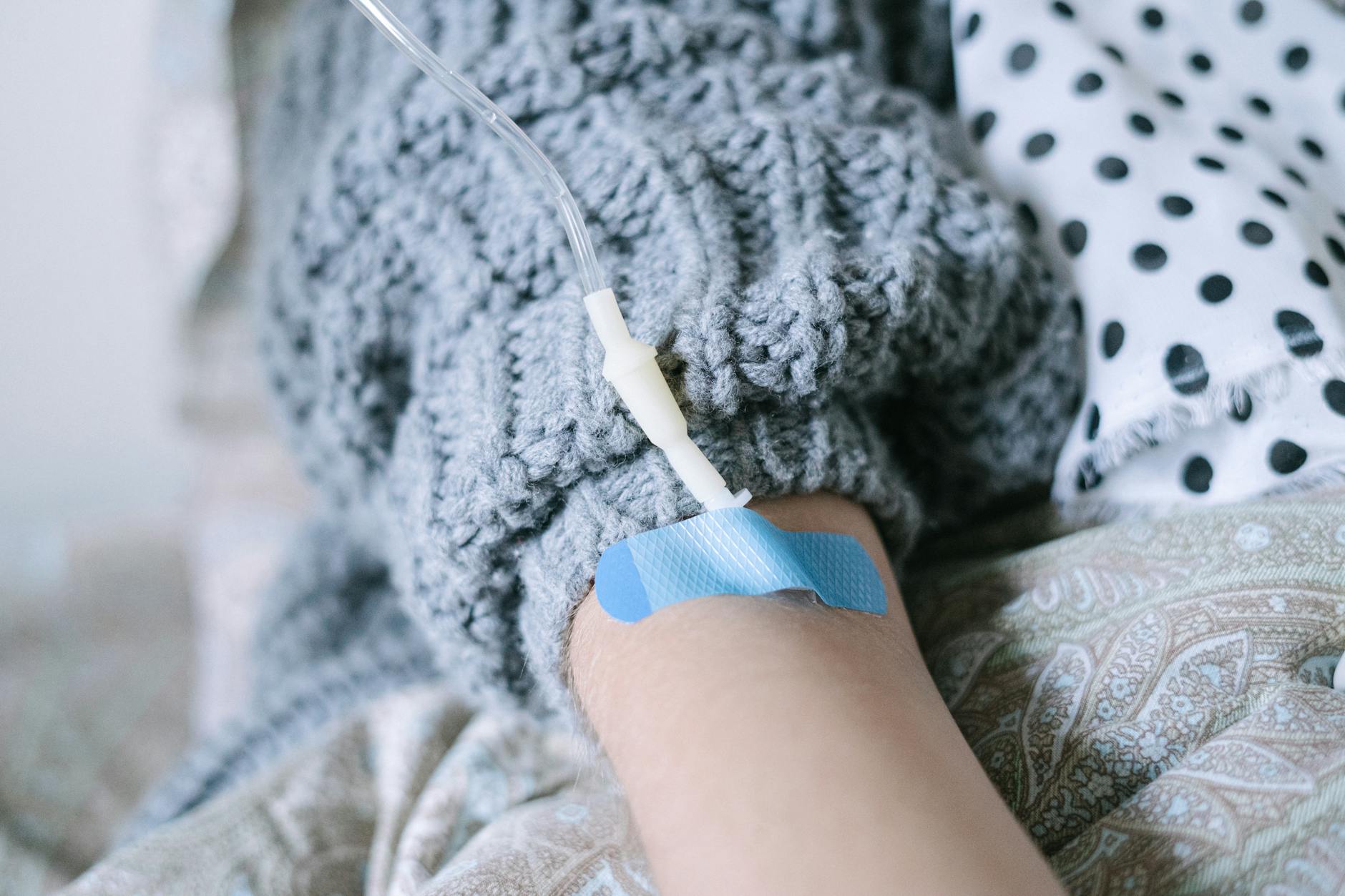
- Intravenous (IV) Infusions: For severe infections or when rapid and high concentrations of the drug are needed, IV administration in a hospital setting is common. This is often the case for serious bacterial infections or certain viral infections.
- Injections: Some medications, particularly antivirals or certain antibiotics, may be given as injections, either intramuscularly or subcutaneously.
- Topical Applications: For localized infections, such as skin or eye infections, creams, ointments, or drops may be used.
The duration of treatment also varies widely. Some infections may require a short course of medication, while others, particularly chronic or resistant infections, might necessitate prolonged treatment over weeks or even months. Completing the full course of prescribed medication is crucial for eradicating the infection and preventing the development of resistance.
Potential Side Effects of Antimicrobial Chemotherapy
While antimicrobial chemotherapy is highly effective, like all medications, it can have side effects. These vary greatly depending on the specific drug, the dosage, and the individual's response. However, some common side effects include:
- Gastrointestinal Issues: Nausea, vomiting, diarrhea, and stomach cramps are frequently reported. This is because these medications can disrupt the natural balance of bacteria in the gut.
- Allergic Reactions: Ranging from mild rashes and itching to severe anaphylaxis, allergic reactions can occur.
- Headaches and Dizziness: Some individuals may experience these neurological symptoms.
- Fatigue: Feeling tired or generally unwell is another possible side effect.
In most cases, these side effects are mild and resolve on their own once the medication is stopped or after a short period. However, it's important to be aware of more severe, though rare, complications that can arise:
- Organ Damage: Certain antimicrobials can potentially affect the liver or kidneys.
- Nerve Damage: Some drugs carry a risk of peripheral neuropathy.
- Hearing Loss: Certain antibiotics have been linked to temporary or permanent hearing impairment.
- Secondary Infections: The disruption of normal flora can sometimes lead to the overgrowth of other microorganisms, such as yeast infections (thrush) or Clostridioides difficile (C. diff) infection, a severe form of diarrhea.
It is crucial to report any concerning side effects to your doctor immediately.
Effectiveness of Antimicrobial Chemotherapy
Antimicrobial chemotherapy stands as one of the most significant advancements in modern medicine. It has been instrumental in treating and curing countless infections that were once life-threatening. The development of new antimicrobial agents continues to be a critical area of research, especially in the face of rising antimicrobial resistance. When used appropriately and judiciously, these therapies are highly effective in combating a wide range of microbial threats, saving millions of lives annually.
When to Consult a Doctor
It is essential to consult a doctor if you suspect you have an infection. Prompt diagnosis and treatment are key to a successful outcome and preventing complications. You should seek medical advice if you experience:
- Fever that doesn't improve
- Severe pain or discomfort
- Unusual discharge or swelling
- Symptoms that worsen despite home care
- Any signs of a severe allergic reaction to medication (difficulty breathing, hives, swelling of the face or throat)
Always follow your doctor's prescription precisely and complete the full course of treatment, even if you start feeling better. Do not share antibiotics or other antimicrobial medications with others, as they are prescribed for specific conditions and individuals.
Faq Section
Frequently Asked Questions about Antimicrobial Chemotherapy
- What is the difference between an antibiotic and antimicrobial chemotherapy?
Antibiotics are a type of antimicrobial chemotherapy specifically used to treat bacterial infections. Antimicrobial chemotherapy is a broader term that includes antibiotics, antivirals, antifungals, and antiparasitics, covering a wider range of microorganisms.
- Can antimicrobial chemotherapy cure all infections?
No, not all infections can be cured by antimicrobial chemotherapy. Some viral infections, for example, may not have specific antiviral treatments, and the body's immune system is the primary defense. Additionally, the effectiveness depends on the specific microorganism and whether it has developed resistance to the drugs.
- What is antimicrobial resistance?
Antimicrobial resistance occurs when microorganisms (like bacteria, viruses, fungi, and parasites) evolve and change, making the drugs designed to kill them ineffective. This is a major global health concern, leading to infections that are harder to treat.
- How can I prevent antimicrobial resistance?
You can help prevent antimicrobial resistance by using antimicrobial medications only when prescribed by a doctor, completing the full course of treatment, not sharing medications, and practicing good hygiene to prevent infections in the first place.