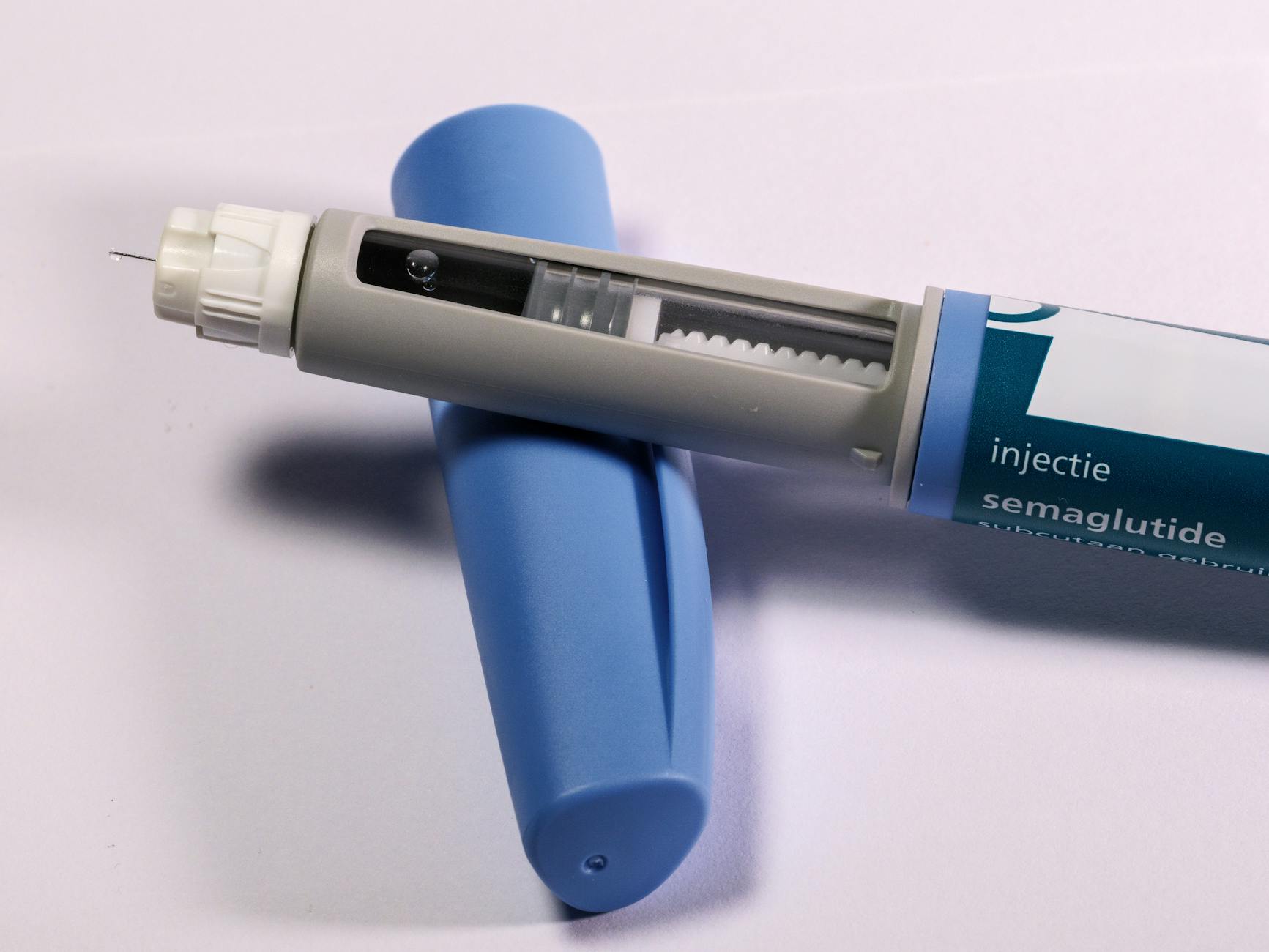
For individuals navigating the challenges of moderate to severe ulcerative colitis (UC), finding effective treatment can be a long and often frustrating journey. Traditional therapies might not always provide the relief needed, leaving patients searching for alternatives. This is where biologics step in, offering a newer, targeted approach to managing this chronic inflammatory condition. Biologics are not your everyday medications; they represent a significant advancement in medical science, specifically engineered to combat the inflammation that characterizes UC. Unlike older treatments that might broadly suppress the immune system, biologics work by precisely targeting the proteins and pathways responsible for the inflammation in your gut.
What Exactly Are Biologics?
Imagine your immune system as a highly trained army. In ulcerative colitis, this army mistakenly attacks your own intestinal lining, causing inflammation, pain, and discomfort. Biologics are like specialized generals within this army, specifically trained to identify and neutralize the inflammatory signals that cause this damage, without disrupting the entire defense system. They are genetically engineered medications derived from living organisms, designed to intercept specific molecules that drive inflammation, such as cytokines. These cytokines are like messengers that tell your body to become inflamed. By blocking these messengers, biologics help to calm down the inflammatory response in your colon.
How Biologics Differ from Other UC Treatments
You might be familiar with other UC treatments like corticosteroids. While effective, corticosteroids tend to broadly suppress your immune system, which can leave you vulnerable to infections and other side effects. Biologics offer a more refined approach. They don't shut down your entire immune system; instead, they selectively target the specific culprits behind UC inflammation. This targeted action means they can be very effective for moderate to severe cases where other treatments have fallen short, and they can often be used in conjunction with other medications, including steroids, to achieve better control over your condition. This combination approach, along with lifestyle adjustments, forms the backbone of modern UC management for many patients.
FDA-Approved Biologics for Ulcerative Colitis
The good news is that the U.S. Food and Drug Administration (FDA) has approved several biologic medications specifically for treating UC. As of now, there are eight such biologics available, offering a range of options for your doctor to consider. Some of the well-known examples include adalimumab (Humira) and infliximab (Remicade). These medications are administered either through intravenous (IV) infusions or injections, and their dosing schedules are tailored to the specific drug and your individual needs. Your healthcare provider will discuss which biologic might be the best fit for you based on your UC severity, medical history, and response to previous treatments.
Understanding Administration and Dosing
The way you receive your biologic medication can vary. Some biologics are given as IV infusions in a hospital or clinic setting, while others are designed for self-injection at home. Let's look at some common examples:
- Adalimumab (Humira): This medication is given as an injection. You might receive it from your doctor, or you could be trained to administer it yourself at home. The initial dosing often starts with a higher dose, followed by a lower maintenance dose administered every other week. For instance, the first dose might be 160 mg, with a 80 mg dose two weeks later. Then, starting two weeks after the second dose, you'll typically take a 40 mg dose every other week.
- Infliximab (Remicade): This is typically administered as an IV infusion. The schedule often involves an initial infusion, followed by a second dose a couple of weeks later, and then a third dose around six weeks after the first. Following this induction phase, you'll receive infusions every eight weeks. The amount of medication given during infusion depends on your body weight and each session can last for at least two hours.
- Other Biologics Targeting IL-23: Some newer biologics focus on blocking a protein called interleukin-23 (IL-23), which is known to promote inflammation in UC. For example, one such medication might involve an initial IV infusion of 200 mg, followed by another 100 mg infusion two weeks later. Subsequently, you might receive a 100 mg injection every four weeks. Another might start with a 200 mg IV infusion, with subsequent infusions at week 4 and week 8, followed by a 100 mg dose every 8 weeks starting from week 16.
- Biologics Targeting TNF-alpha: Medications like adalimumab work by blocking Tumor Necrosis Factor-alpha (TNF-alpha), a key protein involved in inflammation.
- Biologics with Different Regimens: Some drugs might involve a 300 mg IV infusion initially, with further infusions at week 4 and week 8. Post this, starting from week 12, you might transition to injections, perhaps two 100 mg injections (totaling 200 mg) every four weeks. Your doctor will guide you through the exact schedule and administration method.
It's essential to follow your prescribed schedule diligently to maintain the medication's effectiveness. Your doctor or a nurse will show you how to prepare and administer self-injections if that's part of your treatment plan.
Potential Benefits of Biologic Therapy
The primary goal of biologic therapy is to bring your UC under control, reducing the inflammation that causes symptoms like diarrhea, rectal bleeding, abdominal pain, and fatigue. By achieving remission, biologics can significantly improve your quality of life, allowing you to engage more fully in daily activities. Many patients experience a reduction in the frequency and severity of flare-ups, leading to fewer hospitalizations and a greater sense of well-being. Furthermore, because biologics are targeted, they may offer a better side effect profile for some individuals compared to broader immunosuppressants.
Possible Side Effects and Precautions
While biologics are powerful tools, they are not without potential side effects. Because they influence the immune system, there's an increased risk of infections. It's vital to be aware of symptoms of infection, such as fever, chills, persistent cough, or painful urination, and report them to your doctor immediately. Conditions like tuberculosis (TB) and hepatitis B can be reactivated or worsened by biologic therapy, so your doctor will likely screen you for these before starting treatment. Some individuals may experience injection-site reactions, like redness, itching, or swelling at the injection site. It's also important to discuss any pre-existing conditions, such as heart failure or liver disease, with your doctor, as biologics may not be suitable for everyone. Regular monitoring by your healthcare team is crucial to manage any side effects effectively.
Who Can Benefit from Biologics?
Biologics are typically considered for individuals with moderate to severe ulcerative colitis who have not responded adequately to, or cannot tolerate, other standard treatments like aminosalicylates or corticosteroids. If you've tried several conventional therapies and are still experiencing persistent symptoms or frequent flare-ups, biologics might be a viable next step. Your gastroenterologist will assess your specific situation, including the extent and severity of your disease, to determine if biologic therapy is appropriate for you.
Living Well with Ulcerative Colitis: Beyond Medication
While biologics offer significant hope, managing UC is a multifaceted approach. Alongside your medication, lifestyle factors play a crucial role. This includes adopting a balanced diet that minimizes triggers and supports gut health, managing stress through techniques like mindfulness or gentle exercise, and ensuring you get adequate rest. Open communication with your healthcare team is paramount. Don't hesitate to discuss any concerns, side effects, or changes in your symptoms. Remember, you are an active participant in your health journey.
When to Consult Your Doctor
It is important to seek medical advice if you experience any of the following:
- A sudden worsening of your UC symptoms.
- Signs of infection, such as fever, chills, or unusual fatigue.
- Any new or concerning side effects from your medication.
- Questions about your treatment plan or potential alternative options.
Your doctor is your best resource for navigating your UC treatment and ensuring you receive the most effective care.
Frequently Asked Questions
Are biologics a cure for ulcerative colitis?
Currently, there is no cure for ulcerative colitis. However, biologics can help achieve and maintain remission, significantly improving symptoms and quality of life for many patients. They are a powerful tool for managing the condition long-term.
Can I continue other UC medications while on biologics?
Yes, often biologics are used in combination with other UC treatments, such as aminosalicylates or even corticosteroids, to enhance their effectiveness. Your doctor will determine the best combination therapy for your situation.
How long does it take for biologics to work?
The time it takes for biologics to work can vary. Some individuals may notice improvement within a few weeks, while for others, it might take a few months to see the full effect. Consistent adherence to the treatment schedule is key.