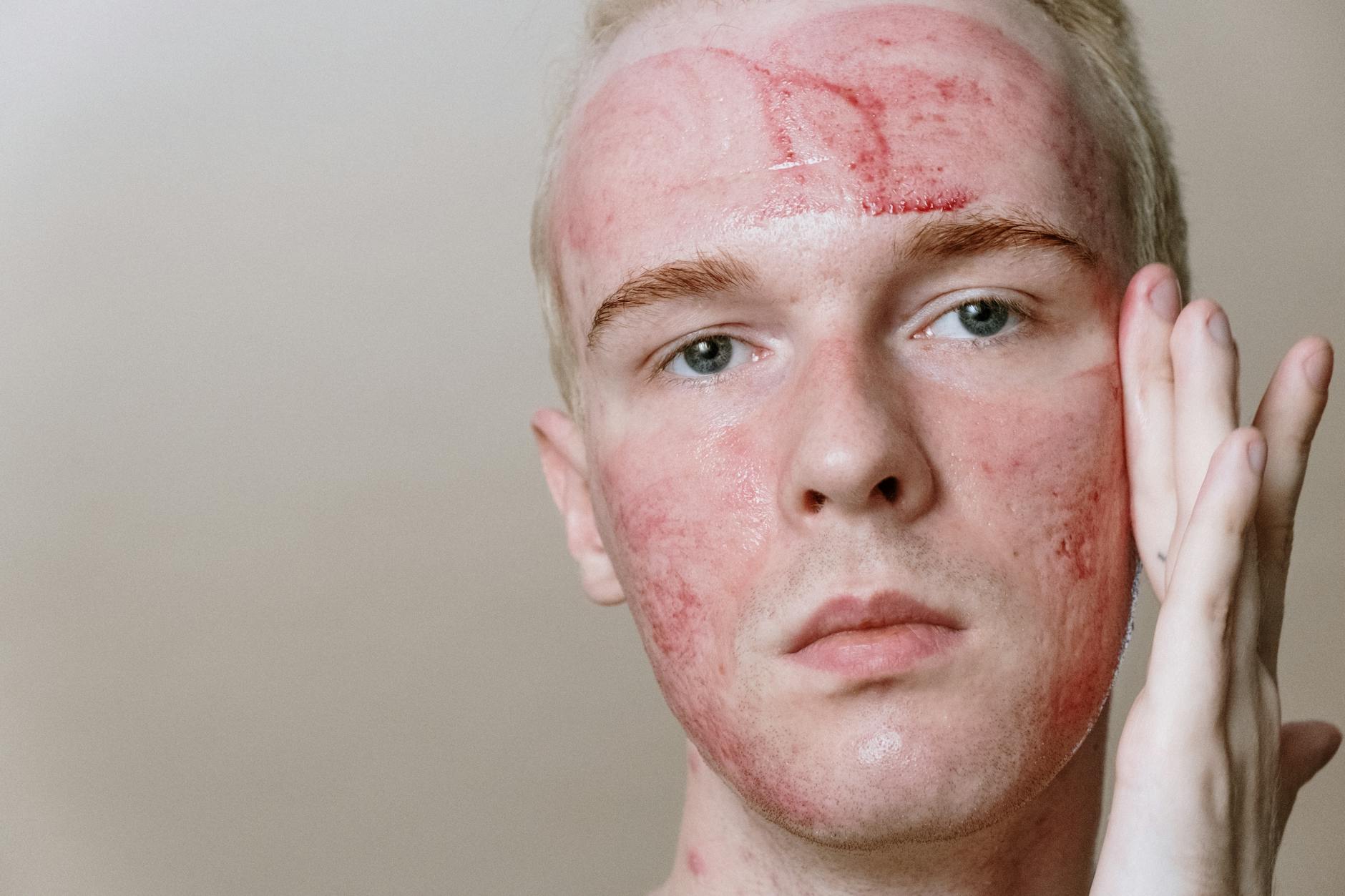
What Exactly Are Blisters?
A blister, or a vesicle as medical professionals call it, is essentially a small pocket of skin filled with fluid. You've probably experienced one after wearing new shoes that rubbed your feet the wrong way for too long. This common type of blister forms due to friction between your skin and the shoe, causing the layers of skin to separate and fill with that characteristic clear fluid. While blisters can be annoying, painful, or just plain uncomfortable, most of the time they aren't a sign of anything serious and will heal on their own without needing special medical attention. However, if you notice unexplained blisters appearing on your skin, it's always a good idea to consult your doctor for a proper diagnosis.
Common Causes of Blisters
Blisters can pop up for a variety of reasons, ranging from simple everyday irritations to more complex medical conditions. Understanding the cause is the first step to effective treatment and prevention.
Friction Blisters
These are the most common type. They usually appear on your hands and feet. Think about a long hike in ill-fitting boots, a new pair of heels that pinch, or even prolonged use of certain tools. The constant rubbing creates a shear force that separates the outer layers of your skin, and the body's natural response is to fill that space with fluid to cushion and protect the underlying tissue. This fluid is typically clear serum.
Burns
Blisters are a common sign of second-degree burns. When the skin is exposed to excessive heat, chemicals, or even prolonged friction (like from a severe rug burn), the damage can go deep enough to cause blistering. The blisters formed from burns are often painful and can vary in size. The fluid inside might be clear, but if the burn is severe, it could become cloudy or even bloody.
Burn Severity and Blisters:
- First-degree burns: These affect only the outermost layer of skin, causing redness and pain but typically no blisters.
- Second-degree burns: These penetrate deeper, damaging the dermis. They are characterized by intense pain, redness, and the formation of blisters. The blisters can be transparent and may ooze fluid.
- Third-degree burns: These are the most severe, destroying all layers of skin and potentially underlying tissues. The skin may appear white, brown, or black and leathery, and there might be little to no pain because nerve endings are destroyed. Blisters are often absent in the deepest parts but can be present at the edges.
Infections
Certain infections can lead to blistering. Viral infections are a common culprit. For example:
- Herpes Simplex Virus (HSV): This virus causes cold sores (herpes labialis) and genital herpes. Cold sores often start as a tingling or burning sensation before a small, fluid-filled blister appears, usually around the mouth and lips. These blisters can be painful, rupture, and ooze clear or yellowish fluid before crusting over.
- Varicella-Zoster Virus (VZV): This virus causes chickenpox and shingles. Chickenpox presents as an itchy rash with fluid-filled blisters all over the body. Shingles, which occurs in individuals who have had chickenpox, typically causes a painful rash with blisters along a nerve pathway, often on one side of the torso.
- Hand, Foot, and Mouth Disease: Common in young children, this viral illness can cause blisters in the mouth, on the palms of the hands, and on the soles of the feet.
Bacterial infections can also cause blisters, although this is less common. For instance, impetigo, a superficial skin infection, can sometimes manifest as blisters that rupture and form a characteristic honey-colored crust.
Allergic Reactions and Contact Dermatitis
When your skin comes into contact with an irritant or allergen, it can trigger a reaction that includes blisters. This is known as contact dermatitis.
- Irritant Contact Dermatitis: Caused by direct damage to the skin from substances like harsh soaps, detergents, or certain chemicals.
- Allergic Contact Dermatitis: Occurs when your immune system reacts to an allergen, such as poison ivy, nickel (in jewelry), or certain ingredients in cosmetics. The rash typically appears in the area of contact and can include intense itching, redness, swelling, and fluid-filled blisters.
A common scenario involves someone gardening without gloves and accidentally brushing against poison ivy. Within a day or two, they might notice an intensely itchy rash with blisters forming on their hands and arms where the plant touched their skin.
Autoimmune Blistering Diseases
In rare cases, blisters can be a symptom of an autoimmune condition, where the body's immune system mistakenly attacks healthy skin cells. These conditions can be serious and require specialized medical care. Examples include:
- Pemphigus: A group of rare autoimmune diseases that cause blistering of the skin and mucous membranes.
- Bullous Pemphigoid: Another autoimmune condition that typically affects older adults, causing large, tense blisters that are often itchy.
Other Causes
Several other factors can lead to blisters:
- Insect Bites: Some insect bites, particularly from certain spiders or mites, can cause blistering at the bite site.
- Heat Rash (Miliaria): In hot, humid conditions, blocked sweat ducts can lead to small, itchy blisters or bumps, especially in skin folds.
- Certain Medications: Some drugs can cause blistering as a side effect.
- Underlying Medical Conditions: Conditions like porphyria cutanea tarda can cause photosensitive blistering.
Symptoms Associated with Blisters
The appearance and accompanying symptoms of a blister can provide clues about its cause. Here’s what to look out for:
- Appearance: A blister is a raised area on the skin filled with clear, yellowish, or sometimes bloody fluid. The surrounding skin may be red and inflamed.
- Pain and Itching: Blisters can range from painless to extremely painful, depending on the cause and depth. Itching is common, especially with allergic reactions or infections.
- Location: Blisters on hands and feet often point to friction. Blisters around the mouth might suggest herpes. A widespread blistering rash could indicate a viral infection or a severe allergic reaction.
- Accompanying Symptoms: Some causes of blisters come with other signs. For example, viral infections like herpes or chickenpox might be accompanied by flu-like symptoms such as fever, body aches, and swollen lymph nodes.
When to Consult a Doctor
While most blisters heal on their own, there are times when medical attention is necessary. Don't hesitate to see a doctor if you experience any of the following:
- Severe or Widespread Blisters: If you have large blisters or blisters covering a significant portion of your body.
- Signs of Infection: Look for increased redness, warmth, swelling, pus (thick, colored fluid), red streaks spreading from the blister, or fever.
- Unexplained Blisters: If blisters appear without any obvious cause like friction or a known burn.
- Blisters from Burns: Especially if the burn is large, deep, or covers a sensitive area like the face, hands, feet, or genitals.
- Blisters in the Mouth or on Genitals: These can be indicative of infections that require specific treatment.
- Blisters That Don't Heal: If a blister persists for more than a couple of weeks without improvement.
- Extreme Pain: Blisters that are exceptionally painful and interfere with daily activities.
Treatment and Home Care for Blisters
The goal of blister treatment is to protect the area, prevent infection, and promote healing.
Protecting the Blister
For small, intact blisters caused by friction:
- Leave it intact: The best approach is usually to leave the blister alone. The fluid-filled sac protects the sensitive skin underneath from infection and further irritation.
- Cover it: If the blister is in a location prone to rubbing (like on your foot inside a shoe), cover it with a loose bandage or a blister-specific bandage (like moleskin or a hydrocolloid bandage). This provides cushioning and reduces friction.
- Avoid popping: Resist the urge to pop the blister. If it breaks on its own, gently clean the area with mild soap and water, apply an antibiotic ointment, and cover it with a sterile bandage.
Caring for Broken Blisters
If a blister breaks:
- Wash your hands thoroughly before touching the blister.
- Gently clean the area with mild soap and water.
- Apply a thin layer of antibiotic ointment (like Neosporin or Bacitracin) to help prevent infection.
- Cover the blister with a sterile bandage or gauze pad. Change the bandage daily or if it becomes wet or dirty.
- Keep the area clean and dry.
Medical Treatments
Your doctor might recommend specific treatments depending on the cause:
- Infections: Antiviral medications for herpes or VZV infections, or antibiotics for bacterial infections.
- Allergic Reactions: Antihistamines to relieve itching and topical or oral corticosteroids to reduce inflammation.
- Autoimmune Diseases: These often require long-term management with immunosuppressive medications.
- Draining Large or Painful Blisters: In some cases, a doctor may carefully drain a large, painful blister to relieve pressure. This is done using sterile techniques to minimize infection risk. A small hole is made, and the fluid is allowed to drain, usually leaving the overlying skin intact.
Preventing Blisters
Prevention is key, especially for blisters caused by friction: