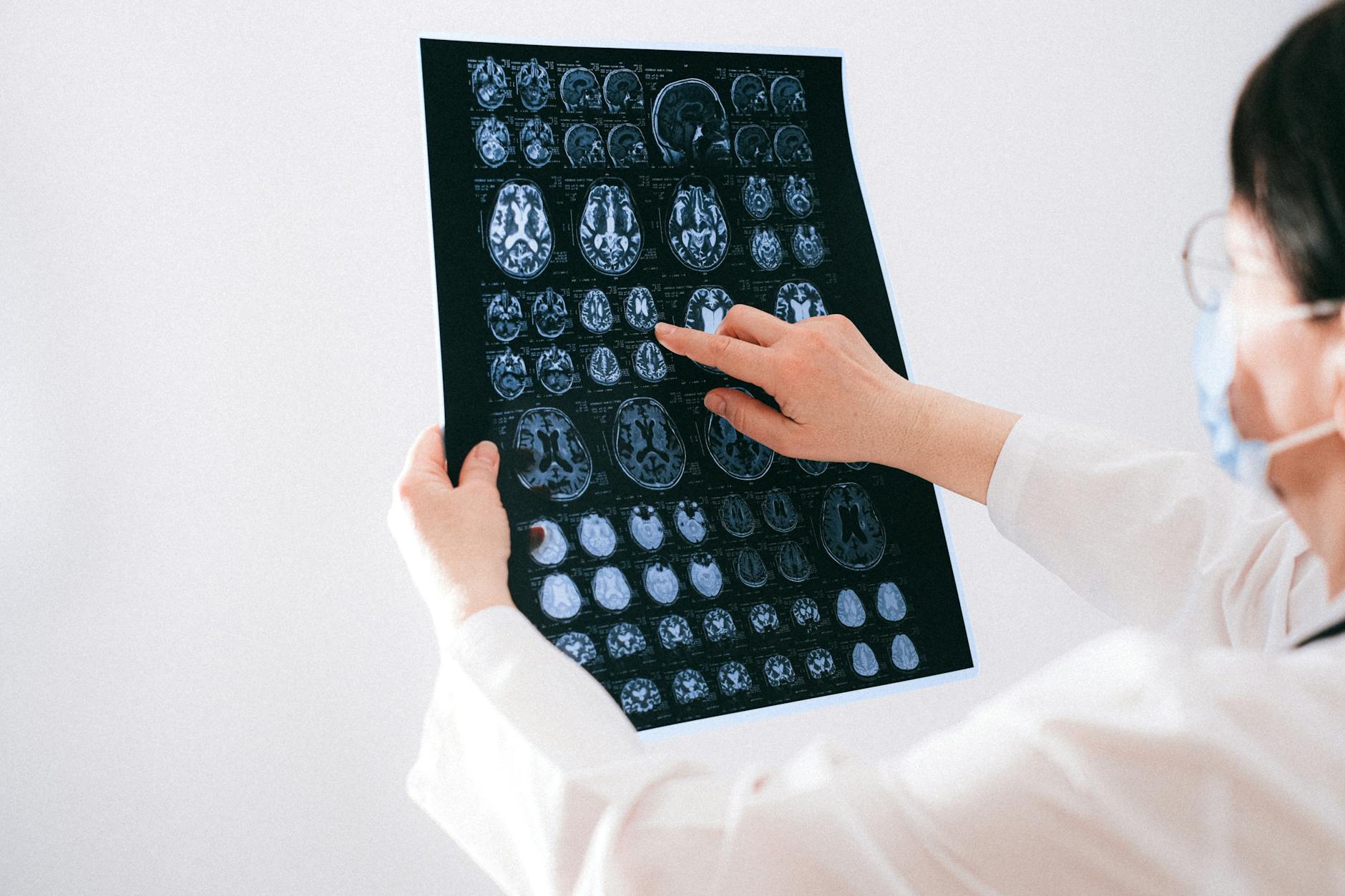
What is a Bone Density Scan?
Osteoporosis is a common condition, especially as we age, where our bones become weaker and more prone to fractures. A bone density scan is a crucial diagnostic tool that measures the mineral content of your bones, helping to assess their strength and identify conditions like osteopenia and osteoporosis. In India, with a growing elderly population, understanding and utilizing these scans is vital for maintaining bone health and preventing debilitating fractures.
This scan helps determine how strong your bones are by measuring their mineral density. A decrease in bone mass is a key indicator for diagnosing osteoporosis. Before undergoing a more comprehensive scan like DEXA or QCT, your doctor might suggest a peripheral bone density test, which scans your wrist, heel, lower arm, or finger using a smaller machine.
Types of Bone Density Scans
The most common types of bone density scans used for diagnosing osteoporosis are:
1. Dual-Energy X-ray Absorptiometry (DEXA) Scan
The DEXA scan is the gold standard for measuring bone density. It uses low-level X-rays to scan specific areas of your body that are most vulnerable to fractures, typically the hip and the lower spine. During the procedure, a machine moves above you, while another moves below, capturing images of these areas. These images are then combined to create a detailed picture of your bone density.
How it works: You will lie on your back on a table. For the scan, your legs might be propped up on a padded box to bend your knees. The DEXA machine will move over your body, and you'll be asked to remain still to ensure clear images. The scan itself is quick, usually taking about 10 to 20 minutes.
2. Quantitative Computed Tomography (QCT) Scan
A QCT scan also uses X-ray technology but combines multiple scans to create a 3D image of your bones. While it can provide a more detailed estimate of the trabecular bone (the spongy inner part of the bone), it is less common than DEXA. QCT scans are generally more expensive and expose you to slightly more radiation than DEXA scans. Doctors typically opt for QCT only if a DEXA scan is not available or if there's a specific need for a 3D assessment.
How it works: During a QCT scan, the table you lie on moves into a CT machine, which rotates around you to capture X-ray images. Similar to DEXA, you'll need to stay very still.
Who Should Get a Bone Density Scan?
While bone density naturally decreases with age, certain individuals are at a higher risk of developing osteoporosis and should consider a bone density scan. These include:
- Individuals who are assigned female at birth and are over the age of 65.
- Individuals who are assigned male at birth and are over the age of 70.
- People who have experienced at least one bone fracture before the age of 50.
- Individuals who have noticed a significant decrease in their height, such as losing at least 1 inch in the past year.
- Those with a family history of osteoporosis.
- People who have undergone chemotherapy or radiation therapy.
- Individuals with certain medical conditions or taking medications that can affect bone health.
Preparing for a Bone Density Scan
Preparing for a bone density scan is generally straightforward:
- Clothing: Wear comfortable clothing. You may be asked to change into a hospital gown and remove any jewelry, buttons, zippers, or other metal objects that could interfere with the scan.
- Medical History: Inform your doctor about any potential pregnancy, as X-rays are involved.
- Supplements: Your doctor might advise you to stop taking calcium supplements a day or two before the scan, as they can sometimes affect the results.
What to Expect During the Scan
The bone density scan is a non-invasive and painless procedure. You will lie on a table while the scanner passes over the targeted areas (usually hips and spine). You will be asked to remain still and may be asked to hold your breath briefly to ensure the images are clear and not blurred. The entire process typically takes between 10 to 20 minutes.
Understanding Your Scan Results
The results of a DEXA scan are usually presented as a T-score. This score compares your bone mineral density to that of a healthy young adult with peak bone mass.
- T-score of -1.0 or higher: Normal bone density.
- T-score between -1.0 and -2.5: Osteopenia (low bone mass), indicating an increased risk of osteoporosis.
- T-score of -2.5 or lower: Osteoporosis, indicating significantly low bone density and a high risk of fractures.
A T-score below -2.5, especially if accompanied by at least one fracture, signifies severe osteoporosis.
How Often Should You Get Scanned?
Generally, you do not need a bone density scan more frequently than every two years. However, your doctor will determine the appropriate screening interval based on your individual risk factors, bone density results, and overall health status. Regular follow-ups are crucial for monitoring bone health and the effectiveness of any treatment.
When to Consult a Doctor
It is essential to consult your doctor if you:
- Are experiencing unexplained bone pain.
- Have had a fracture from a minor fall or bump.
- Notice a significant decrease in your height.
- Have risk factors for osteoporosis as mentioned above.
- Are concerned about your bone health.
Early detection and management through bone density scans can significantly reduce the risk of fractures and improve your quality of life.
FAQ about Bone Density Scans
Q1: Are bone density scans covered by insurance in India?
Insurance coverage for bone density scans can vary. While some comprehensive health insurance plans might cover it, especially if medically indicated due to high risk, it's advisable to check with your specific insurance provider and your doctor. In some countries, like the US, Medicare covers it under certain conditions.
Q2: Can a bone density scan detect all types of bone problems?
Bone density scans are primarily designed to measure bone mineral density and diagnose osteoporosis and osteopenia. They may not detect all other bone abnormalities or conditions.
Q3: Is the radiation from a DEXA scan harmful?
DEXA scans use very low doses of radiation, significantly less than a standard X-ray. The risk associated with this low level of radiation is considered minimal, especially when weighed against the benefits of early diagnosis and management of osteoporosis.
Q4: Can I have a bone density scan if I have metal implants?
Metal implants can sometimes interfere with the accuracy of the scan results, particularly if they are in the area being scanned (e.g., hip replacement). Inform your doctor and the technician about any implants you have, as they may need to adjust the scanning protocol or scan different areas.
Q5: How does a bone density scan help in managing osteoporosis?
Bone density scans are crucial for diagnosing osteoporosis, assessing fracture risk, and monitoring the effectiveness of treatment over time. Regular scans help doctors adjust medication and lifestyle recommendations to best manage the condition.