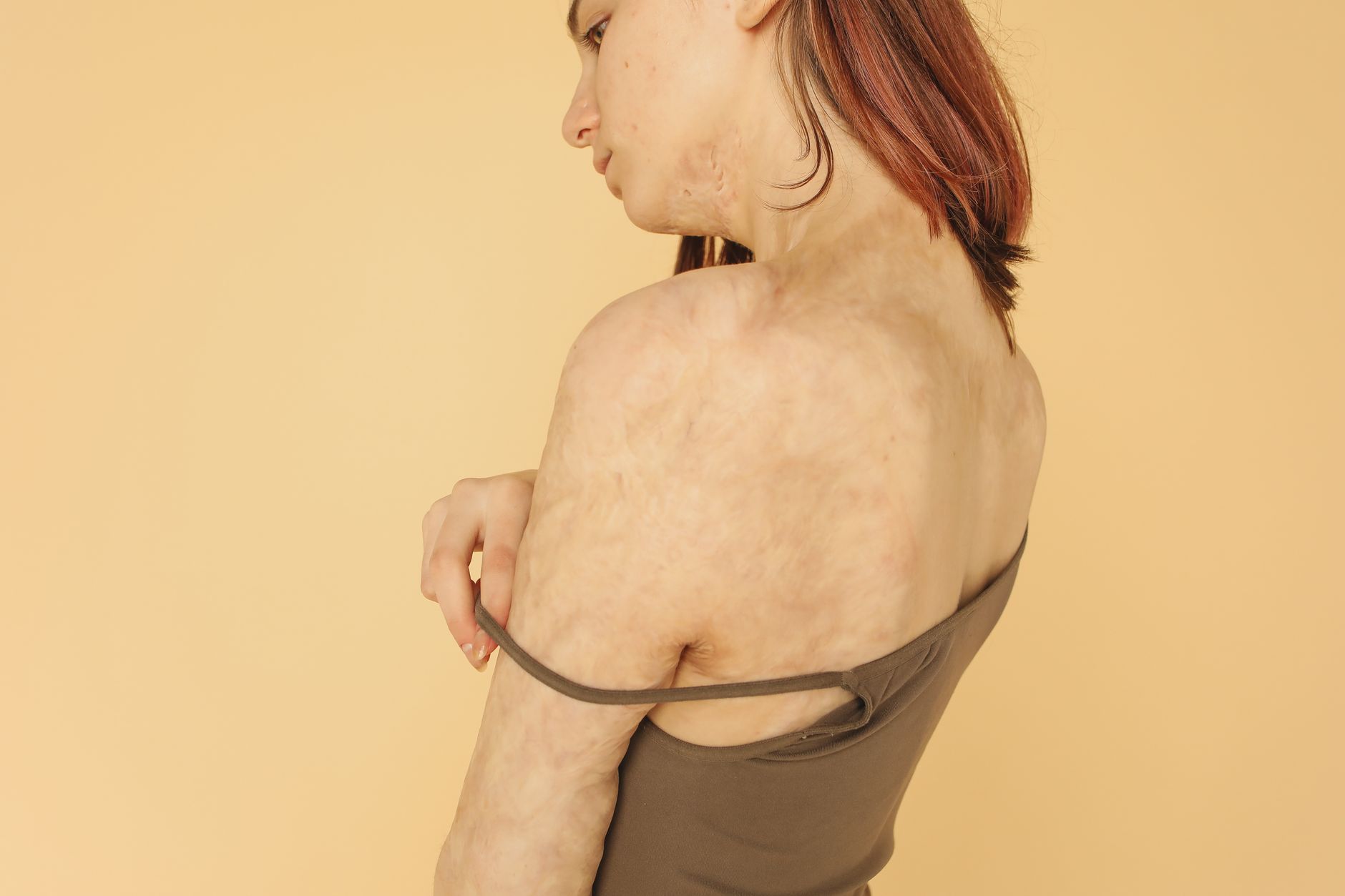
Understanding Burn Scars: Causes, Treatment, and Prevention Burns are a common household accident, and while many heal without issue, some can leave behind lasting marks in the form of scars. Understanding what causes burn scars, how they are treated, and how to prevent them is crucial for effective management and recovery. This article delves into the intricacies of burn scars, providing practical advice for Indian readers. What Are Burn Scars? When your skin is exposed to extreme heat, chemicals, electricity, radiation, or even prolonged friction, it can suffer damage. This damage leads to the death of skin cells. In an attempt to repair the injured tissue, the body produces a protein called collagen. While collagen is essential for healing, an overproduction or disorganized deposition of it can lead to the formation of scars. Burn scars are the visible marks left behind after a burn wound has healed. Their appearance, size, and texture depend heavily on the severity of the burn. Degrees of Burns and Scarring Potential The severity of a burn is classified into degrees, which directly correlates with the likelihood and severity of scarring: First-degree burns: These affect only the outermost layer of skin (epidermis). They typically present as redness, pain, and mild swelling, similar to a sunburn. Most first-degree burns heal on their own within a week and usually do not result in scarring. Second-degree burns: These burns penetrate deeper, affecting the epidermis and part of the dermis. They are characterized by blisters, intense pain, redness, and swelling. Second-degree burns usually take about two weeks to heal and may leave behind scars, although these often fade over time. Third-degree burns: These are the most severe, destroying the epidermis and dermis, and potentially damaging underlying tissues like fat, muscle, and bone. The skin may appear white, charred, or leathery, and there might be less pain initially due to nerve damage. Third-degree burns require immediate medical attention and extensive treatment, including skin grafting. They almost always result in significant scarring. Types of Burn Scars Burn scars can manifest in various forms: Hypertrophic scars: These are raised, red or purple scars that stay within the boundaries of the original wound. They can be itchy and sometimes warm to the touch. They occur due to an overproduction of collagen during the healing process. Keloid scars: Similar to hypertrophic scars, keloids are also raised and caused by excess collagen. However, keloids grow beyond the original wound margins, forming shiny, often firm, and sometimes itchy or painful bumps. They are more common in individuals with darker skin tones. Contracture scars: These scars form when a deep burn tightens the skin, muscles, and tendons. This tightening can restrict movement, especially around joints, and can be quite debilitating. Causes of Burn Scars Burn scars are a direct consequence of the body's healing response to burn injuries. The primary factors influencing scar formation include: Severity and Depth of the Burn: As discussed, second- and third-degree burns are far more likely to cause scars than first-degree burns. Duration of Contact: The longer the skin is exposed to the heat source, the deeper the burn and the higher the risk of scarring. Location of the Burn: Burns over joints or areas with thin skin may be more prone to contracture scars. Individual Healing Response: Genetic factors and the body's unique healing mechanisms play a significant role in how scars form and mature. Infection: If a burn wound becomes infected, it can delay healing and lead to more significant scarring. Age and Skin Type: Younger individuals and those with darker skin tones may be more prone to developing hypertrophic or keloid scars. Diagnosis of Burn Scars Diagnosing burn scars is typically straightforward and involves a visual examination by a healthcare professional. The doctor will assess: The appearance, size, and location of the scar. The type of scar (hypertrophic, keloid, contracture). The impact of the scar on function and mobility (especially for contracture scars). The history of the burn injury. In some cases, a biopsy might be performed to confirm the diagnosis or rule out other skin conditions, but this is rare for typical burn scars. Treatment Options for Burn Scars The goal of burn scar treatment is to improve the scar's appearance, reduce itching and pain, and restore function. Treatment options vary depending on the scar type and severity: 1. Topical Treatments: Silicone Sheets and Gels: These are often the first line of treatment for hypertrophic and keloid scars. They help to hydrate the scar tissue and flatten raised scars. Antibiotic Ointments: Applied during the healing phase, these help prevent infection, which can worsen scarring. Moisturizers: Keeping the scar tissue hydrated can improve its flexibility and reduce itching. 2. Compression Therapy: Compression Garments: For larger or deeper burns, wearing custom-fitted compression garments continuously for several months can help flatten raised scars and prevent contractures. These garments apply even pressure to the scar tissue, discouraging excessive collagen buildup. 3. Medical and Surgical Interventions: Corticosteroid Injections: Injected directly into hypertrophic or keloid scars, these can help reduce inflammation, itching, and flatten the scar. Laser Therapy: Certain lasers can be used to improve the color and texture of scars, reduce redness, and flatten raised areas. Dermal Fillers: For depressed scars, fillers can be injected to raise the scar to the level of the surrounding skin. Surgical Revision: In cases of severe scarring, especially contractures, surgery may be necessary. This can involve excising the
In summary, timely diagnosis, evidence-based treatment, and prevention-focused care improve long-term health outcomes.