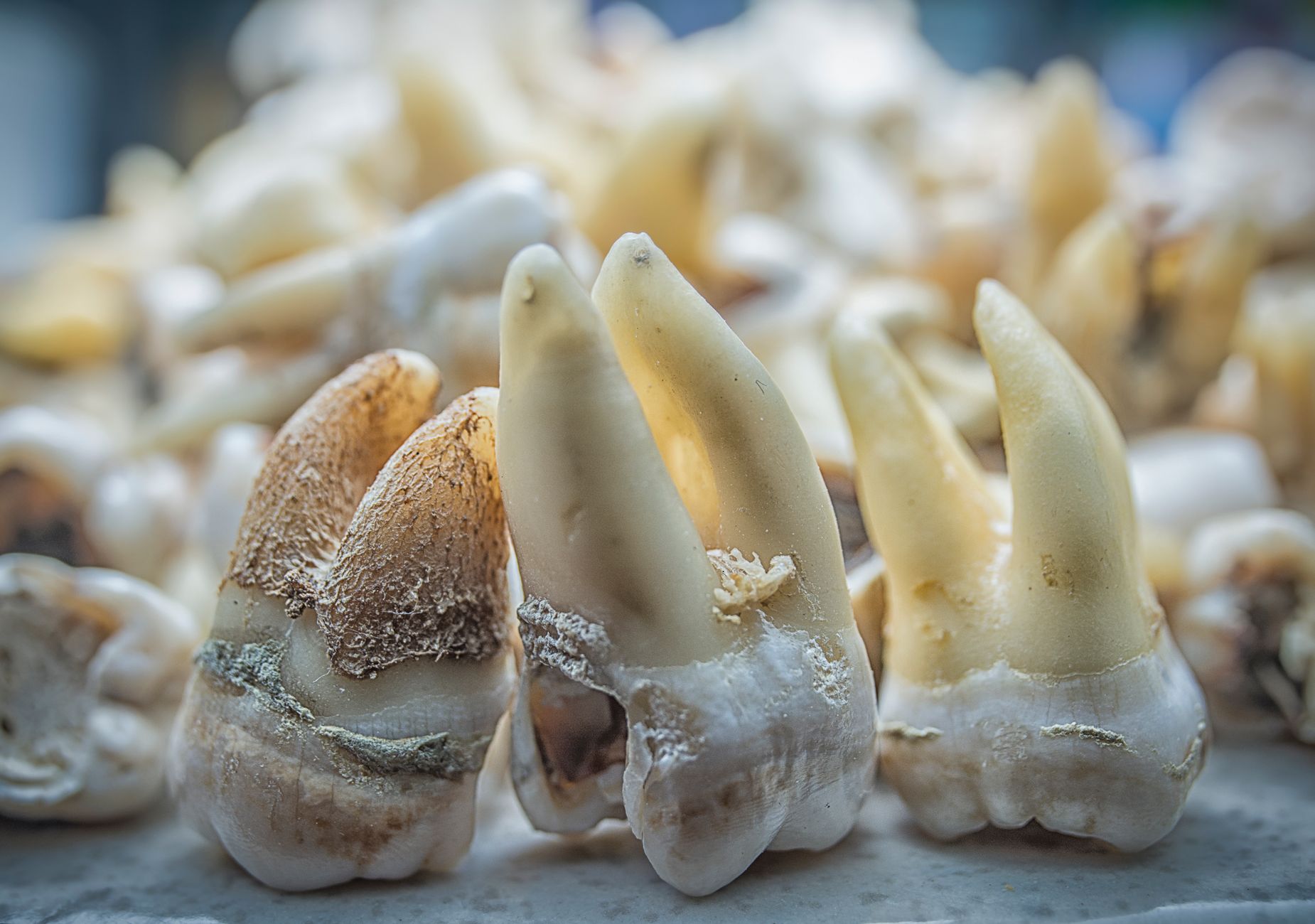
What is Dry Socket? Dry socket, also known medically as alveolar osteitis, is a painful condition that can occur after a tooth extraction. Normally, after a tooth is removed, a blood clot forms in the empty socket. This blood clot is crucial as it protects the underlying bone and nerve endings and acts as a foundation for new tissue growth. In cases of dry socket, this protective blood clot either doesn't form at all, dislodges prematurely, or dissolves too early. This leaves the bone and nerves exposed to the air, food particles, and bacteria, leading to significant pain and delayed healing. While dry socket can be a distressing experience, understanding its causes, symptoms, and how to manage it is key to a smoother recovery. This guide aims to provide clear, practical information for individuals in India who may be experiencing or are at risk of developing dry socket. Symptoms of Dry Socket The hallmark symptom of dry socket is severe pain in the jaw and around the extraction site. This pain typically begins one to a few days after the tooth extraction, often peaking around the third day. Unlike normal post-extraction pain, which usually subsides gradually, dry socket pain tends to worsen over time. Other common symptoms include: Intense throbbing pain that can radiate to the ear, eye, or neck on the affected side. Visible empty socket with exposed bone, sometimes with a greyish or yellowish appearance. Bad breath or an unpleasant taste in the mouth, often due to trapped food particles or infection. Pain that is not adequately managed by over-the-counter pain relievers. Causes and Risk Factors for Dry Socket The exact cause of dry socket is not fully understood, but several factors can increase your risk of developing it: Failure of Blood Clot Formation: This is the primary issue. The reasons for this failure can be varied. Dislodging the Blood Clot: Certain actions can dislodge the delicate blood clot before it has a chance to heal and stabilize. These include: Smoking, especially the sucking action involved. Using straws for drinking. Vigorous spitting or rinsing of the mouth in the first few days after surgery. Drinking hot or carbonated beverages, which can irritate the socket. Bacterial Contamination: If the socket is exposed, bacteria can enter and interfere with healing. Pre-existing Infections: Conditions like gum disease (periodontitis) can increase the risk. Traumatic Extraction: The removal of impacted wisdom teeth or teeth that are difficult to extract can sometimes lead to dry socket. Smoking: Nicotine constricts blood vessels, reducing blood supply to the healing site, and the sucking motion can dislodge the clot. Oral Contraceptives: High estrogen levels, particularly from birth control pills, may increase the risk. Poor Oral Hygiene: Not following post-operative care instructions can contribute. Previous Dry Socket: If you've had dry socket before, you may be more prone to it again. Diagnosis of Dry Socket A dentist or oral surgeon can typically diagnose dry socket based on your symptoms and a physical examination of the extraction site. They will look for the characteristic signs of an empty socket with exposed bone and assess the severity of your pain. No special tests are usually required, but your dentist will want to rule out other potential causes of pain or infection. Treatment for Dry Socket The primary goal of treatment is to relieve pain and promote healing. Dry socket requires professional dental care. Treatment usually involves: Cleaning the Socket: The dentist will gently clean the socket to remove any food debris or contaminants that might be hindering healing. Medicated Dressing: The dentist will pack the socket with a medicated dressing, often containing a sedative like eugenol. This dressing helps to soothe the exposed nerves and relieve pain almost immediately. You will be given instructions on how to change this dressing at home if necessary. Pain Management: Over-the-counter pain relievers like ibuprofen or paracetamol can help manage mild pain. For severe pain, your dentist may prescribe stronger pain medications. Rinsing: Your dentist may recommend a warm salt water rinse or a specific antiseptic mouthwash to keep the area clean. It's crucial to follow your dentist's instructions carefully regarding cleaning, dressing changes, and medication to ensure proper healing. How Long Does Dry Socket Last? With proper treatment, the severe pain associated with dry socket typically subsides within a few days. The overall healing process for dry socket usually takes about 7 to 10 days . However, the duration can vary depending on the severity of the condition and how well you follow the post-treatment care instructions. If you haven't experienced significant improvement within a week of treatment, or if your pain returns, consult your dentist again. Prevention of Dry Socket Preventing dry socket is largely about protecting the blood clot that forms after an extraction. Here are key preventive measures: Follow Post-Operative Instructions: Adhere strictly to your dentist's instructions regarding diet, oral hygiene, and activity levels. Avoid Smoking: Refrain from smoking for at least 48 hours, and ideally for a week or more, after the extraction. No Straws: Do not use straws for drinking for at least a week. Gentle Rinsing: Avoid vigorous rinsing or spitting for the first 24-48 hours. After that, gentle rinsing with warm salt water can be beneficial. Soft Diet: Stick to soft foods for the first few days and avoid chewing on the extraction site. Avoid Hot Liquids: Opt for lukewarm or cool beverages instead of hot
In summary, timely diagnosis, evidence-based treatment, and prevention-focused care improve long-term health outcomes.