Is Height Reduction Surgery Possible?
Many people wonder if it's possible to undergo a surgery to reduce their height. While the term 'height reduction surgery' isn't a formal medical procedure, there is a surgical option that can effectively decrease a person's height: bone-shortening surgery. However, it's vital to understand that this surgery is rarely performed for the sole purpose of reducing height. Instead, it's primarily a corrective procedure for significant limb length discrepancies (LLD) or to address bones that are disproportionately long.
What is Limb Length Discrepancy (LLD)?
A limb length discrepancy occurs when one limb, typically a leg, is significantly shorter than the other. This difference can range from a few millimeters to several centimeters or even inches. While minor differences in limb length are quite common and often go unnoticed, a substantial discrepancy can lead to a variety of problems.
Why LLD Happens
LLD can arise from several factors:
- Congenital conditions: Some individuals are born with limbs of unequal length due to genetic factors or issues during fetal development.
- Growth plate injuries: Trauma or infection affecting the growth plates (the areas of developing bone tissue at the ends of long bones) during childhood can disrupt normal bone growth, leading to one bone growing shorter than its counterpart.
- Medical conditions: Certain diseases, such as polio, bone infections, or bone tumors, can affect bone growth and result in LLD.
- Fractures: Improperly healed fractures, especially those involving the growth plates, can lead to limb length discrepancies.
The Impact of LLD
Living with a significant limb length difference can present challenges. Over time, the body may try to compensate for the disparity, which can lead to:
- Pain: Back pain, hip pain, and knee pain are common as the body adapts to the unevenness.
- Mobility issues: Walking, running, and participating in sports can become difficult and uncomfortable.
- Gait abnormalities: A noticeable limp or altered walking pattern may develop.
- Scoliosis: In some cases, the unevenness can contribute to the development of a spinal curve.
A Real-Life Scenario
Imagine Priya, a lively 14-year-old, who loves dancing. Lately, she's been experiencing persistent hip pain and finds it harder to keep up with her friends during practice. Her mother notices that Priya walks with a slight tilt. After a visit to the doctor and some X-rays, it's discovered that one of Priya's legs is about 2 centimeters shorter than the other, a result of a childhood injury to her leg bone's growth plate. This discrepancy is now causing her discomfort and affecting her passion.
Surgical Options for Limb Length Discrepancies
When conservative treatments aren't enough, surgery becomes an option to correct LLD. There are two main surgical approaches, depending on the patient's age and the degree of discrepancy:
1. Epiphysiodesis (Growth Plate Arrest)
This procedure is typically recommended for children and adolescents who are still growing. The goal is to slow down or stop the growth of the longer limb's bones, allowing the shorter limb to catch up.
How it's done:
- Surgeons carefully access the growth plates (epiphyseal plates) at the ends of the long bones in the longer limb.
- They may drill holes in the growth plates, scrape them, or place a metal plate around them. This intervention disrupts the normal growth process, effectively slowing down bone lengthening.
- The procedure aims to equalize limb length by the time the child reaches skeletal maturity.
This method is effective for children whose bones are still growing and can help them achieve roughly equal limb lengths by adulthood without significantly impacting their final height beyond the natural growth process.
2. Limb-Shortening Surgery (Bone Resection)
This surgery is more commonly performed on adults or young adults who have finished growing. It involves surgically shortening the longer limb to match the shorter one.
How it's done:
- A surgeon carefully removes a section of the longer bone (femur or tibia). The amount removed depends on the discrepancy they need to correct.
- Metal plates, screws, or rods are used to reconnect the remaining bone segments, ensuring stability for healing.
- This procedure directly reduces the length of the bone and, consequently, the overall height of the individual.
Important Note: The maximum amount that can be safely shortened from the femur is typically around 3 inches (7.5 cm), and from the tibia, it's about 2 inches (5 cm). The exact amount removed is tailored to the individual's needs.
Who is a Good Candidate for Bone-Shortening Surgery?
Bone-shortening surgery is generally best suited for:
- Skeletal Maturity: Individuals who have completed their growth spurt, usually by age 18-20. Operating on individuals still growing could lead to unpredictable results and further discrepancies.
- Significant Limb Length Discrepancy: When the difference in leg length is substantial enough to cause functional problems, pain, or mobility issues.
- Good Overall Health: Candidates should be in good general health to undergo a major surgical procedure and the subsequent recovery period.
The Surgical Process and Recovery
Undergoing bone-shortening surgery is a significant undertaking. The process involves:
Pre-operative Planning
Your doctor will conduct a thorough physical examination and may order imaging tests like X-rays or CT scans to accurately measure the limb length discrepancy and plan the surgery.
The Surgery
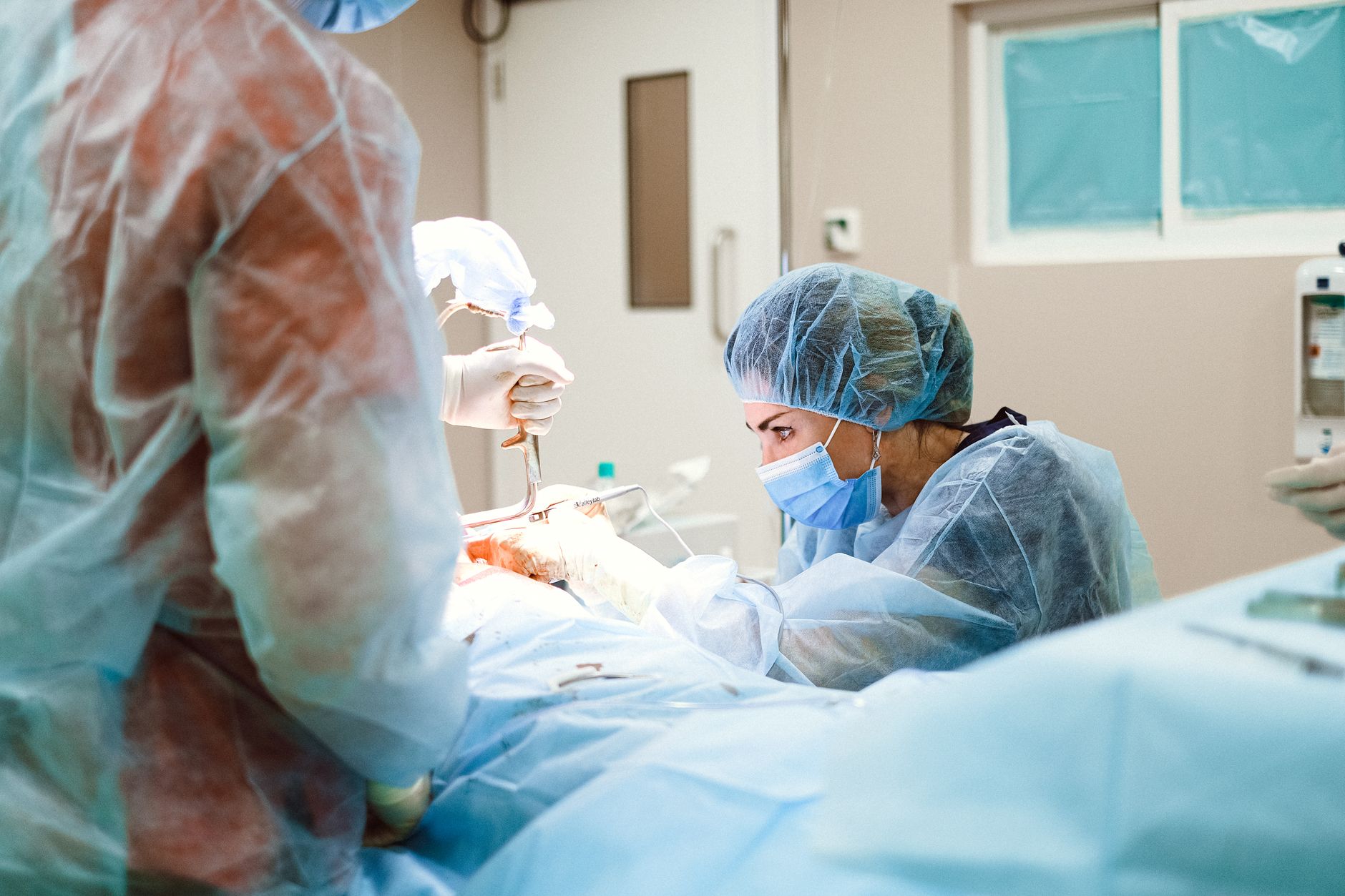
The surgery itself involves removing a segment of bone and stabilizing the remaining parts. This is a complex procedure requiring specialized orthopedic expertise.
Post-operative Recovery
Recovery is often lengthy and requires patience. Key aspects include:
- Immobilization: You will likely be placed in a full-leg cast for several weeks to ensure proper bone healing.
- Limited Mobility: Movement will be significantly restricted during the initial healing phase. Crutches or other assistive devices will be necessary.
- Pain Management: Doctors will prescribe medication to manage post-operative pain.
- Physical Therapy: Once the cast is removed and the bone has healed sufficiently, intensive physiotherapy will be essential to regain strength, flexibility, and normal function in the limb. This can take many months.
It's crucial to follow your surgeon's instructions meticulously throughout the recovery period to ensure the best possible outcome.
Risks and Considerations
Like any major surgery, bone-shortening procedures carry potential risks. These can include:
- Infection
- Nerve or blood vessel damage
- Blood clots
- Non-union (the bone failing to heal properly)
- Stiffness or limited range of motion in the joint
- The possibility of needing further surgery
Discussing these risks thoroughly with your surgeon is essential before making a decision.
When to Consult a Doctor
You should consult an orthopedic specialist if you or your child experience any of the following:
- Noticeable difference in leg length
- Persistent pain in the back, hips, or knees that may be related to limb length
- Difficulty walking, running, or participating in physical activities due to an uneven gait
- Any concerns about uneven limb growth during childhood or adolescence
Early diagnosis and management can often lead to better outcomes.
Frequently Asked Questions (FAQ)
Q1: Is height reduction surgery common?
No, height reduction surgery is not common. The procedure, bone-shortening surgery, is primarily performed to correct significant limb length discrepancies, not for cosmetic height reduction.
Q2: Can I become shorter after this surgery?
Yes, bone-shortening surgery will reduce the length of the operated bone, thus reducing your overall height. However, the amount of height reduction is limited by the amount of bone that can be safely removed.
Q3: How long does recovery take?
Recovery is a long process, often taking several months to a year or more, involving casting, limited mobility, and extensive physical therapy to regain full function.
Q4: Are there non-surgical options for minor limb length differences?
For minor differences, shoe lifts or orthotic devices can often compensate and alleviate symptoms without surgery. However, for significant discrepancies causing functional issues, surgery is usually the recommended path.