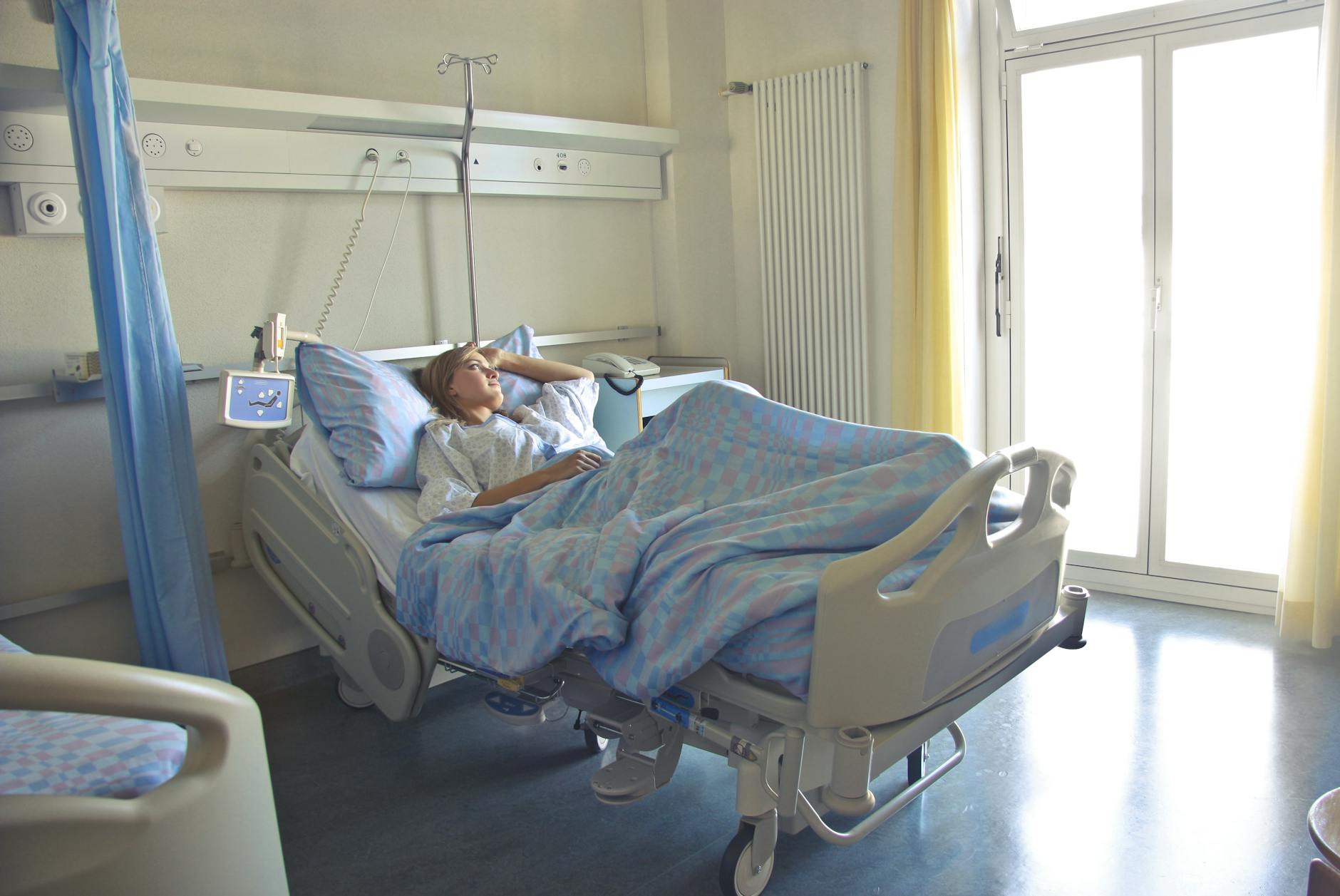
What is Hospital-Acquired MRSA?
Hospital-acquired Methicillin-Resistant Staphylococcus Aureus (MRSA) is a type of bacteria that has developed resistance to many common antibiotics, making infections caused by it particularly challenging to treat. While Staphylococcus aureus (staph) bacteria are common and can live on the skin or in the nose of many healthy people without causing harm, they can sometimes lead to serious infections. MRSA is a specific strain of staph that has become resistant to methicillin and other related antibiotics, such as penicillin and oxacillin. Hospital-acquired MRSA refers to infections that develop in patients while they are in a healthcare setting, such as a hospital, nursing home, or dialysis center. These infections can occur through contact with contaminated surfaces, medical equipment, or from person-to-person transmission.
According to the Centers for Disease Control and Prevention (CDC), approximately 2 out of every 100 people carry MRSA bacteria without showing any symptoms. However, these individuals can still develop serious infections, especially if they have underlying health conditions, undergo medical procedures, or have medical devices like catheters or surgical wounds. In 2017, the CDC reported that MRSA was linked to nearly 20,000 deaths in the United States, highlighting its significant public health impact. While infection control measures in healthcare facilities have improved, MRSA remains a serious concern, particularly if not managed promptly and effectively.
How is Hospital-Acquired MRSA Contracted?
Hospital-acquired MRSA primarily spreads through direct contact. This can happen in several ways:
- Direct Contact with Infected Individuals: Skin-to-skin contact with someone who has an MRSA infection or is carrying the bacteria can lead to transmission.
- Contact with Contaminated Surfaces and Objects: MRSA bacteria can survive on surfaces such as bed rails, doorknobs, medical equipment, bedding, and even personal items. If these items are not properly cleaned and disinfected between uses, they can become sources of infection.
- Healthcare Professionals: Healthcare workers can inadvertently spread MRSA if they do not adhere to strict hand hygiene protocols, such as washing their hands thoroughly or using hand sanitizers before and after patient contact, and before and after procedures.
Several factors can increase the risk of MRSA spreading in healthcare settings:
- Crowding: Overcrowded hospital areas, especially intensive care units (ICUs) and burn units, make it more challenging to isolate infected patients and maintain strict infection control measures, facilitating the spread of MRSA.
- Compromised Skin: Open wounds, surgical sites, minor cuts, and abrasions provide entry points for MRSA bacteria. Patients recovering from surgery or those using invasive devices like urinary catheters or central venous lines are at a higher risk of developing MRSA infections.
- Inadequate Cleanliness: Poor sanitation practices and improper hand hygiene among staff and visitors significantly increase the risk of MRSA transmission.
Individuals with weakened immune systems, those with prolonged hospital stays, or those undergoing invasive procedures are particularly vulnerable to contracting hospital-acquired MRSA.
Symptoms of Hospital-Acquired MRSA
The symptoms of MRSA infection can vary depending on the location and severity of the infection. Skin infections are the most common type of MRSA infection and often appear as:
- Red, swollen, painful bumps that resemble pimples or boils.
- Warmth around the affected area.
- Pus or drainage from the infected site.
- Fever.
In more severe cases, MRSA can cause serious infections such as:
- Pneumonia: Symptoms include cough, shortness of breath, fever, and chest pain.
- Bloodstream infections (Bacteremia): This can lead to fever, chills, rapid heart rate, and a drop in blood pressure.
- Surgical site infections: Signs include increased pain, redness, swelling, and drainage at the surgical wound.
- Urinary tract infections: Especially if a catheter is involved, symptoms may include burning during urination, frequent urination, and cloudy or foul-smelling urine.
It is crucial to be vigilant for any signs of infection, especially if you or a loved one is in a healthcare facility.
Diagnosis of MRSA
Diagnosing MRSA typically involves laboratory testing. A healthcare provider will collect a sample from the suspected infection site, which could be:
- A skin swab from a wound or lesion.
- A sample of blood, urine, or sputum.
- A sample from a surgical site or cerebrospinal fluid.
These samples are then sent to a laboratory to be cultured. The culture will identify the type of bacteria present and determine its susceptibility to various antibiotics. Rapid diagnostic tests are also available that can detect MRSA more quickly, allowing for prompt initiation of appropriate treatment and isolation measures.
Treatment for Hospital-Acquired MRSA
Treating hospital-acquired MRSA can be challenging due to its resistance to common antibiotics. The treatment approach depends on the type and severity of the infection:
- Antibiotics: For skin infections, topical or oral antibiotics that are effective against MRSA are prescribed. For more severe infections, such as pneumonia or bloodstream infections, intravenous (IV) antibiotics are often necessary. Common antibiotics used include vancomycin, linezolid, daptomycin, and clindamycin, among others. The choice of antibiotic depends on the specific infection, its severity, and the patient's overall health.
- Drainage of Abscesses: If MRSA has formed an abscess (a collection of pus), it may need to be surgically drained to remove the infected material.
- Infection Control Measures: In healthcare settings, patients with MRSA are often placed in isolation to prevent its spread to others. Strict adherence to hand hygiene by healthcare professionals and visitors is paramount.
It is essential to complete the full course of antibiotics as prescribed by the doctor, even if symptoms improve, to ensure the infection is fully eradicated and to prevent the development of further antibiotic resistance.
Prevention of Hospital-Acquired MRSA
Preventing the spread of MRSA in healthcare settings is a collective responsibility. Several steps can be taken:
- Strict Hand Hygiene: This is the most critical preventive measure. Healthcare professionals, patients, and visitors should wash their hands frequently with soap and water or use alcohol-based hand sanitizers, especially before and after contact with patients or potentially contaminated surfaces.
- Adherence to Infection Control Protocols: Healthcare facilities must implement and enforce rigorous infection control policies, including proper cleaning and disinfection of equipment and patient rooms, use of personal protective equipment (PPE) like gloves and gowns by healthcare workers, and prompt isolation of MRSA-positive patients.
- Wound Care: Keeping wounds clean and covered with appropriate bandages can help prevent MRSA from entering the body. Patients should avoid touching their bandages and report any signs of infection immediately.
- Patient and Visitor Education: Educating patients and their visitors about MRSA, its transmission, and preventive measures is crucial. This includes encouraging hand hygiene and discouraging the sharing of personal items.
- Screening: In some high-risk settings, screening patients for MRSA colonization upon admission may help identify carriers and implement preventive measures early.
- Minimizing Invasive Devices: Using invasive devices like catheters only when necessary and removing them as soon as possible can reduce the risk of infection.
For individuals at high risk, such as those in burn units, discussing preventive treatments like prophylactic intranasal mupirocin with a healthcare professional might be considered to reduce MRSA colonization.
When to Consult a Doctor
You should consult a doctor immediately if you notice any signs of infection, particularly if you or a loved one is in a hospital or healthcare facility. This includes:
- New or worsening redness, swelling, or pain around a wound or surgical site.
- Pus or drainage from a wound.
- Unexplained fever.
- Any skin lesion that looks like a boil or infected pimple, especially if it is painful or growing rapidly.
- Symptoms of pneumonia, such as persistent cough, difficulty breathing, or chest pain.
Prompt medical attention is vital for effective treatment and to prevent the spread of MRSA infections.