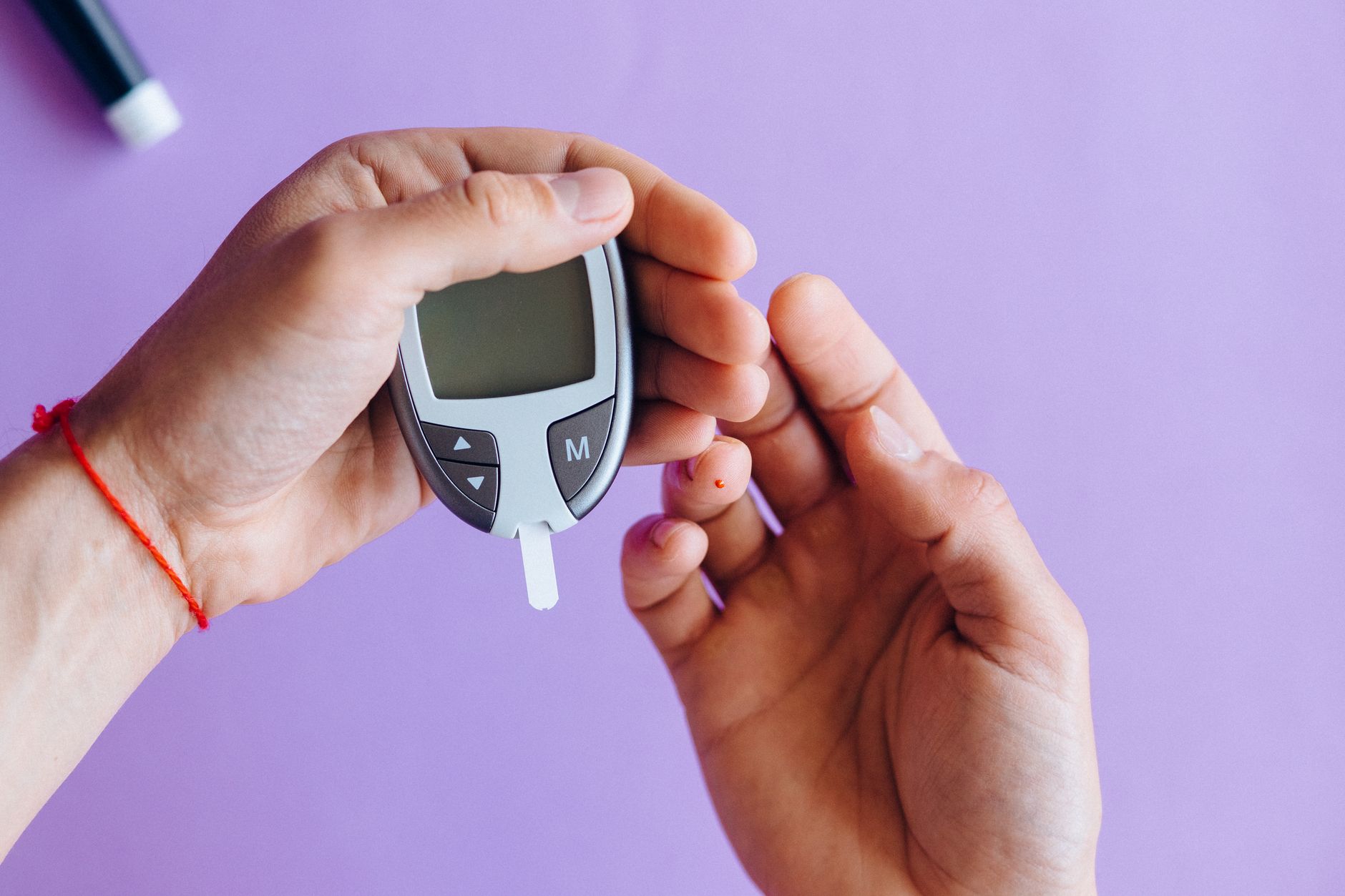
What is Hyperglycemia? Hyperglycemia, commonly known as high blood sugar or high blood glucose, occurs when your body has too much glucose circulating in the bloodstream. Glucose is the primary source of energy for your body's cells. In individuals with diabetes, this condition arises because the pancreas either doesn't produce enough insulin or the body cannot effectively use the insulin it produces. Insulin, a hormone produced by the pancreas, plays a crucial role in helping glucose move from the bloodstream into cells for energy. When this process is impaired, blood sugar levels can rise significantly. While hyperglycemia is a hallmark of diabetes, it can also occur in other situations. The consequences of unmanaged hyperglycemia can be severe, leading to both immediate, life-threatening complications and gradual, long-term damage to various organs and tissues. Immediate Complications of Hyperglycemia When blood sugar levels become excessively high, a range of symptoms can manifest, starting with general feelings of fatigue, intense thirst, and the need to urinate frequently. As glucose levels continue to climb, more serious symptoms may emerge, including blurred vision and confusion. In severe cases, hyperglycemia can escalate into two critical and potentially life-threatening conditions: Diabetic Ketoacidosis (DKA) and Hyperosmolar Hyperglycemic State (HHS). Both of these require immediate medical intervention to prevent coma and death. Diabetic Ketoacidosis (DKA) DKA is a serious complication that typically affects individuals with type 1 diabetes, though it can occur in type 2 diabetes as well. It develops when the body lacks sufficient insulin to allow glucose to enter cells for energy. Consequently, blood sugar levels soar, and the body begins to break down fat for fuel. This fat breakdown process produces acids known as ketones. When ketones accumulate in the blood, they make the blood more acidic, leading to DKA. While DKA can develop gradually, its severe symptoms can manifest rapidly, sometimes within hours, if left untreated. Hyperosmolar Hyperglycemic State (HHS) HHS is another severe complication, more commonly seen in individuals with type 2 diabetes. It shares similarities with DKA but is characterized by extremely high blood sugar levels and profound dehydration, rather than ketone production and increased blood acidity. HHS often develops more slowly than DKA, typically over days or weeks, and is frequently triggered by an illness or infection. The severe dehydration in HHS leads to a highly concentrated blood, a state known as high osmolarity. This concentration draws water out of organs and tissues, particularly impacting the brain and potentially leading to severe neurological issues. Symptoms of Severe Hyperglycemia Recognizing the signs of severe hyperglycemia is crucial for prompt medical attention. These can include: Extreme thirst Frequent urination Nausea and vomiting Abdominal pain Fruity-smelling breath (due to ketones) Rapid breathing Confusion or difficulty concentrating Weakness and fatigue Blurred vision Dry mouth and skin Flushed face A general feeling of unwellness (malaise) It is vital to understand that severe hyperglycemia, including DKA and HHS, is a medical emergency. If you or someone you know experiences these symptoms, seek immediate medical care. Long-Term Complications of Hyperglycemia While acute, high blood sugar spikes can lead to immediate crises, chronic, unmanaged hyperglycemia poses a significant threat to long-term health. Over time, persistently elevated blood glucose levels can inflict damage on various organs and tissues throughout the body. This gradual deterioration can lead to a cascade of serious health problems, significantly impacting quality of life and lifespan. Cardiovascular Disease One of the most significant long-term risks of chronic hyperglycemia is heart disease. High blood sugar can damage blood vessels and nerves that control the heart, increasing the risk of heart attacks, strokes, and other cardiovascular issues. It contributes to atherosclerosis, the hardening and narrowing of arteries, making it harder for blood to flow efficiently. Kidney Problems (Nephropathy) The delicate blood vessels in the kidneys can be damaged by prolonged high blood sugar. This damage impairs the kidneys' ability to filter waste products from the blood, a condition known as diabetic nephropathy. In severe cases, this can progress to kidney failure, requiring dialysis or a kidney transplant. Nerve Damage (Neuropathy) Hyperglycemia can damage nerves throughout the body, a condition called diabetic neuropathy. This damage often begins in the extremities, leading to tingling, numbness, burning sensations, or pain, particularly in the feet and hands. It can also affect nerves controlling digestion, heart rate, and other bodily functions. Eye Issues (Retinopathy) The small blood vessels in the retina, the light-sensitive tissue at the back of the eye, are vulnerable to damage from high blood sugar. This can lead to diabetic retinopathy, a condition that can cause vision loss and even blindness if left untreated. Regular eye check-ups are crucial for individuals with diabetes. Foot Problems The combination of nerve damage (neuropathy) and poor blood circulation, both consequences of chronic hyperglycemia, can lead to serious foot problems. Reduced sensation means injuries might go unnoticed, and poor circulation hinders healing. This can result in infections, ulcers, and, in severe cases, amputation. Weakened Immune System High blood sugar levels can impair the immune system's ability to fight off infections. This makes individuals with poorly controlled diabetes more susceptible to bacterial and fungal infections, and these infections may be more severe and harder to treat. Managing Hyperglycemia and Preventing Complications The cornerstone of preventing both immediate and long-term complications of hyperglycemia lies in effective blood sugar management. This involves a multi-faceted approach: 1. Blood Sugar Monitoring Regularly monitoring blood glucose levels using a glucometer is essential.
In summary, timely diagnosis, evidence-based treatment, and prevention-focused care improve long-term health outcomes.