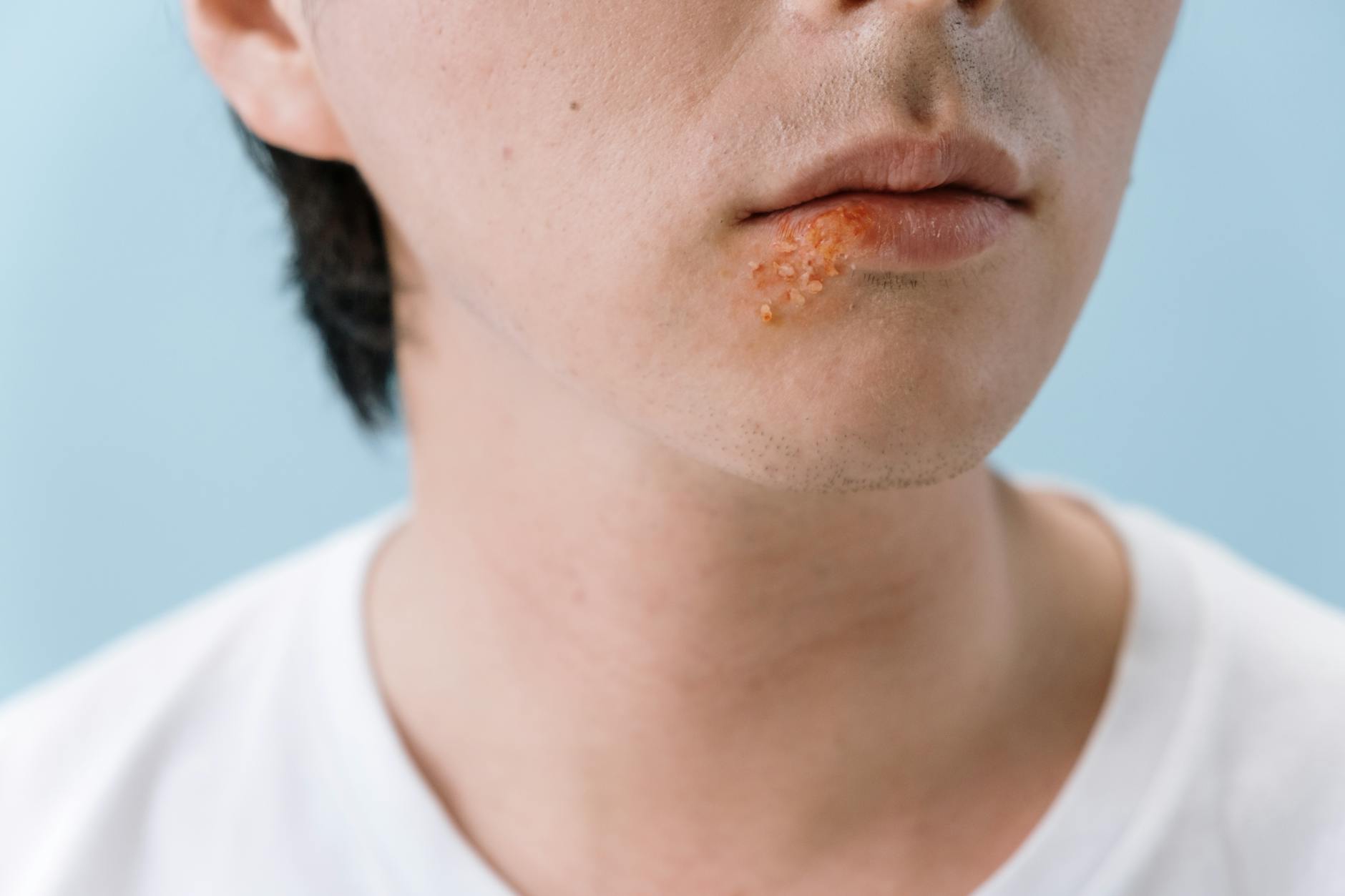
What is Psoriasis?
Psoriasis is a chronic autoimmune disease that causes the rapid buildup of skin cells. This buildup causes scaling on the skin's surface. Psoriasis is a common, long-term condition that causes red, itchy, scaly patches, most commonly on the knees, elbows, trunk, and scalp. It is not contagious. Psoriasis is thought to be an immune system disorder. The most common form of psoriasis is plaque psoriasis. It affects millions of people worldwide. While there is no cure for psoriasis, it can be managed effectively with proper treatment and lifestyle adjustments. This guide aims to provide a comprehensive understanding of psoriasis, covering its various types, symptoms, causes, diagnostic methods, treatment options, and preventive strategies, with a focus on the Indian context.
Types of Psoriasis
Psoriasis can manifest in several different forms, each with its unique characteristics:
- Plaque Psoriasis (Psoriasis Vulgaris): This is the most common type, accounting for about 80% of cases. It is characterized by raised, red patches (plaques) covered with silvery-white scales. These plaques can be itchy and painful.
- Guttate Psoriasis: This type typically appears as small, red, droplet-like spots on the skin. It often develops suddenly and may be triggered by a bacterial infection, such as strep throat.
- Inverse Psoriasis: This form affects the skin folds, such as in the armpits, groin, and under the breasts. The patches are smooth and red, and they often occur in areas where skin rubs together.
- Pustular Psoriasis: This is a less common but more severe type. It is characterized by pus-filled blisters (pustules) surrounded by red skin. It can occur all over the body or in specific areas.
- Erythrodermic Psoriasis: This is the rarest and most severe form. It causes widespread redness and scaling over most of the body's surface. It can be accompanied by intense itching and pain, and may lead to serious complications like dehydration and infection.
- Psoriatic Arthritis: This is a form of arthritis that affects some people who have psoriasis. It can cause joint pain, stiffness, and swelling. It can affect any joint in the body.
Symptoms of Psoriasis
The symptoms of psoriasis can vary from person to person and depend on the type and severity of the condition. Common symptoms include:
- Red patches of skin, often covered with silvery scales.
- Small scaling spots (in children and young adults, guttate psoriasis may appear as).
- Itchy skin.
- Dry, cracked skin that may bleed.
- Thickened, pitted, or ridged nails.
- Swollen and stiff joints (in cases of psoriatic arthritis).
The appearance of psoriasis can also be influenced by factors like stress, diet, and climate, which are particularly relevant for individuals in India dealing with varied environmental conditions and lifestyle pressures.
Causes of Psoriasis
Psoriasis is an autoimmune condition. This means that the immune system mistakenly attacks healthy cells. In the case of psoriasis, the immune system speeds up the life cycle of skin cells. It causes them to build up rapidly on the surface of the skin. This rapid turnover leads to the formation of scales and red patches.
While the exact cause of this immune system dysfunction is not fully understood, several factors are believed to contribute:
- Genetics: Psoriasis often runs in families. If one or both parents have psoriasis, a child has a higher chance of developing it.
- Immune System: As mentioned, it's an autoimmune disorder where the immune system mistakenly attacks healthy skin cells.
- Environmental Triggers: Certain factors can trigger or worsen psoriasis in individuals who are genetically predisposed. These include:
- Stress: Emotional or physical stress is a common trigger.
- Infections: Bacterial infections (like strep throat) and viral infections can trigger psoriasis.
- Skin Injury: Cuts, scrapes, insect bites, or sunburn can lead to a flare-up in the affected area (Koebner phenomenon).
- Medications: Certain drugs, such as lithium, beta-blockers, and antimalarial drugs, can trigger psoriasis.
- Weather: Cold, dry weather can worsen psoriasis for some individuals.
- Diet: While not a direct cause, certain dietary factors may influence psoriasis severity in some people.
Diagnosis of Psoriasis
Diagnosing psoriasis typically involves a combination of medical history, physical examination, and sometimes a skin biopsy.
- Medical History: A doctor will ask about your symptoms, their duration, any family history of psoriasis, and any potential triggers.
- Physical Examination: The doctor will examine the affected skin, nails, and scalp to identify characteristic signs of psoriasis, such as the appearance and distribution of the lesions.
- Skin Biopsy: In some cases, a small sample of the affected skin may be removed and examined under a microscope. This helps to confirm the diagnosis and rule out other skin conditions.
For individuals in India, it's important to consult a dermatologist who is familiar with the diverse skin types and environmental factors prevalent in the region.
Treatment for Psoriasis
There is no cure for psoriasis, but various treatments can help manage the condition and improve the quality of life. Treatment is tailored to the individual based on the type, severity, and location of psoriasis, as well as the patient's overall health.
Topical Treatments
These are creams, lotions, and ointments applied directly to the skin:
- Corticosteroids: These are the most commonly prescribed topical medications. They reduce inflammation and slow down skin cell turnover.
- Vitamin D Analogues: These medications help slow skin cell growth and reduce inflammation.
- Retinoids: These are derivatives of vitamin A that help normalize skin cell growth.
- Coal Tar: Used for centuries, coal tar helps reduce scaling, itching, and inflammation. It is available in shampoos, creams, and lotions.
- Salicylic Acid: This helps to soften scales, making them easier to remove.
Phototherapy (Light Therapy)
This treatment involves exposing the skin to specific types of ultraviolet (UV) light under medical supervision:
- Broadband UVB: Exposes the skin to a range of UVB wavelengths.
- Narrowband UVB: Exposes the skin to a specific, narrow range of UVB wavelengths, which is often more effective.
- Excimer Laser: A targeted form of light therapy for smaller, localized patches.
Systemic Medications
For moderate to severe psoriasis, or when topical treatments and phototherapy are not effective, oral or injected medications may be prescribed:
- Methotrexate: Slows down the production of skin cells and suppresses inflammation.
- Cyclosporine: Suppresses the immune system to reduce inflammation.
- Biologics: These are newer drugs that target specific parts of the immune system involved in psoriasis. They are usually given by injection or infusion. Examples include etanercept, infliximab, adalimumab, ustekinumab, and secukinumab.
- Apremilast: An oral medication that works by reducing inflammation from the inside out.
Lifestyle and Home Remedies
In addition to medical treatments, certain lifestyle changes can help manage psoriasis:
- Moisturize Regularly: Keeping the skin hydrated can reduce dryness and itching.
- Lukewarm Baths: Avoid hot water, which can dry out the skin. Add bath oils or Epsom salts for relief.
- Stress Management: Practice relaxation techniques like yoga, meditation, or deep breathing exercises.
- Healthy Diet: While no specific diet cures psoriasis, a balanced diet rich in fruits, vegetables, and whole grains can support overall health and immune function. Some individuals find that certain foods can trigger flares, so keeping a food diary might be helpful.
- Avoid Triggers: Identify and avoid personal triggers like certain foods, medications, or environmental factors.
- Sunlight Exposure: Moderate exposure to natural sunlight can be beneficial, but avoid sunburn.
Prevention of Psoriasis Flares
While psoriasis cannot be prevented entirely, individuals can take steps to reduce the frequency and severity of flare-ups:
- Manage Stress: Implement stress-reducing techniques into your daily routine.
- Maintain a Healthy Lifestyle: Eat a balanced diet, exercise regularly, and get adequate sleep.
- Avoid Smoking and Limit Alcohol: Both smoking and excessive alcohol consumption can worsen psoriasis.
- Protect Your Skin: Avoid injuries to the skin, such as cuts, scrapes, and insect bites. Use sunscreen to prevent sunburn.
- Stay Hydrated: Drink plenty of water to keep your skin moisturized from within.
- Follow Treatment Plans: Adhere to your prescribed treatment plan diligently, even when symptoms are mild.
When to Consult a Doctor
It is important to consult a doctor or dermatologist if you suspect you have psoriasis or if your current treatment is not effective. Seek medical attention immediately if you experience:
- Widespread, severe rash.
- Fever and chills.
- Intense pain or blistering of the skin.
- Joint pain and swelling.
- Signs of infection, such as increased redness, warmth, or pus.
Early diagnosis and appropriate management are crucial for controlling psoriasis and preventing complications. For individuals in India, connecting with healthcare providers who understand the local context can significantly improve outcomes.
Living with Psoriasis in India
Living with a chronic condition like psoriasis in India presents unique challenges and opportunities. Access to dermatologists and treatment options can vary across different regions. However, increasing awareness and the availability of advanced treatments, including biologics, are improving care. Support groups and online communities can also provide valuable emotional and practical support. Understanding your condition, working closely with your healthcare provider, and adopting a healthy lifestyle are key to managing psoriasis effectively and living a fulfilling life.
Additional Medical Guidance
This section adds practical context and preventive advice to help readers make informed healthcare decisions. It is important to verify symptoms early, consult qualified doctors, and avoid self-medication for persistent health issues.
Maintaining healthy routines, following prescribed treatment plans, and attending regular checkups can improve outcomes. If symptoms worsen or red-flag signs appear, immediate medical evaluation is recommended.
Quick Checklist
Track symptoms and duration.
Follow diagnosis and treatment from a licensed practitioner.
Review medication side effects with your doctor.
Seek urgent care for severe warning signs.