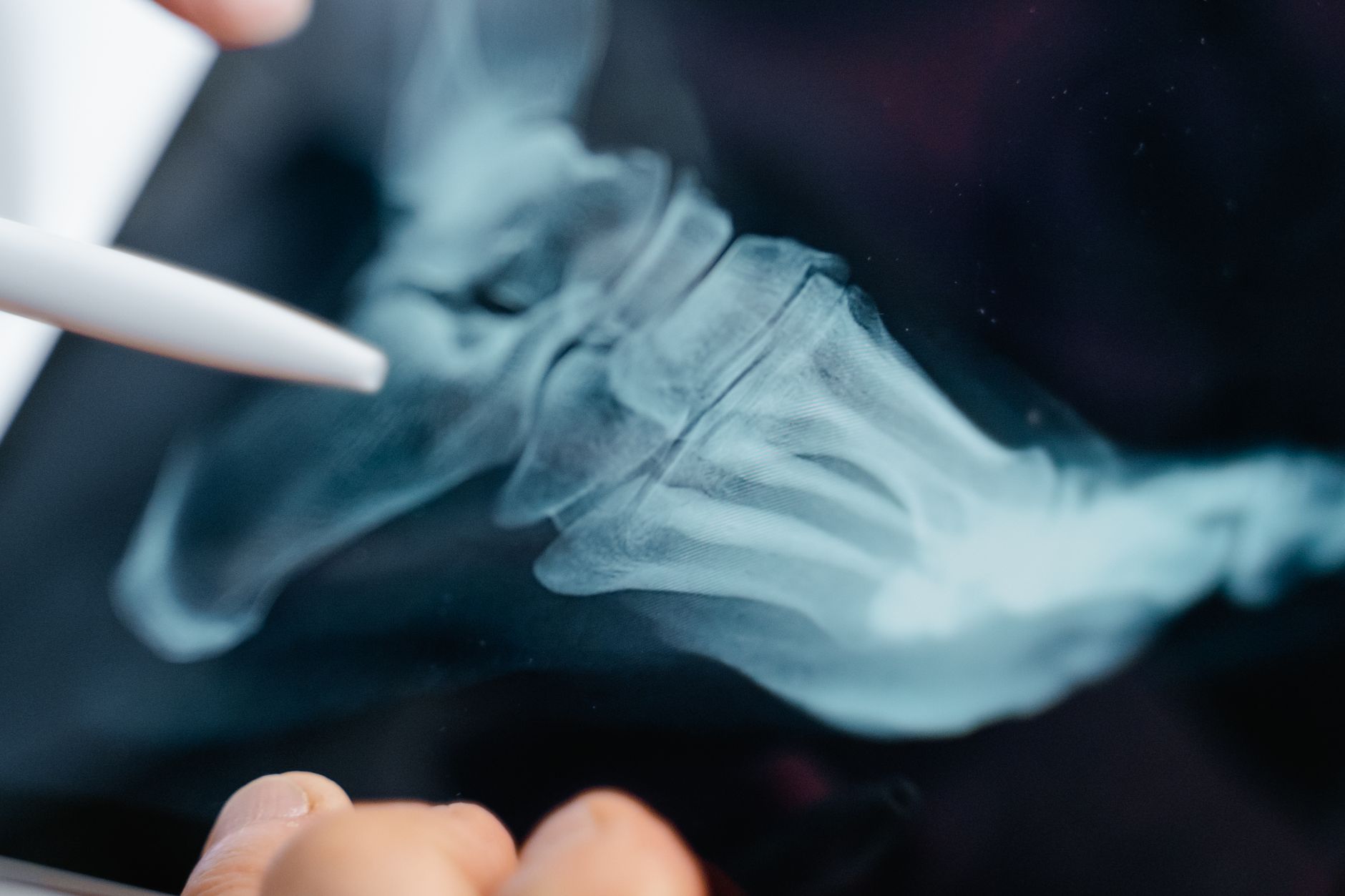
What is a Bone Density Scan and Why is it Important? A bone density scan, often referred to as a DEXA (dual-energy X-ray absorptiometry) scan, is a quick and non-invasive medical test that measures the mineral content of your bones, primarily calcium. This test is crucial for assessing the strength of your bones and identifying any early signs of osteoporosis or other conditions that can lead to bone fragility. While commonly associated with older adults, bone density scans can also be important for younger individuals, especially if they have specific risk factors. The results of these scans are typically reported using T-scores and Z-scores, with Z-scores being particularly relevant for those under the age of 50. Understanding Z-Scores: The Key for Younger Adults For individuals who are premenopausal or under 50 years old, the Z-score is the most meaningful metric derived from a bone density scan. A Z-score compares your bone density measurement to that of other individuals of the same age, sex, and body size. It helps to understand how your bone health stacks up against your peers. What Does a Z-Score Mean? Z-scores range from +2 to -2. The average bone density for your demographic is represented by a score of 0. Here's a breakdown of what different Z-scores can indicate: A Z-score between +2 and -2: This range is generally considered normal, indicating that your bone density is comparable to others in your age, sex, and body size group. A Z-score below -2.0: A Z-score lower than -2.0 suggests that your bone density is lower than expected for your age, sex, and body size. This could be an early indicator of bone loss or a condition like osteopenia (low bone mass) or osteoporosis. It signals a potential increased risk of fractures. What Does a Low Z-Score Indicate? If your Z-score is below -2.0, it's important not to panic, but it does warrant attention from your healthcare provider. A low Z-score can suggest several possibilities: Lower than average bone density: Your bones may not be as dense as those of your peers, potentially putting you at a higher risk for fractures. Accelerated bone loss: It might indicate that your body is losing bone mass at a faster rate than normal. Underlying medical conditions: A low Z-score can sometimes be a sign of an underlying health issue that affects bone health, such as hormonal imbalances, nutritional deficiencies, certain chronic diseases, or the side effects of some medications. Your healthcare professional will consider your Z-score in conjunction with your overall medical history, lifestyle, and other risk factors to determine the best course of action. Diagnosis and Further Testing If your bone density scan results, particularly a low Z-score, raise concerns, your doctor may recommend further investigations. These could include: Blood tests: To check for nutritional deficiencies (like vitamin D or calcium), hormonal imbalances, or markers of bone turnover. Urine tests: To assess calcium excretion. Imaging tests: Such as X-rays, to look for fractures or other skeletal abnormalities. Referral to a specialist: You might be referred to an orthopedic specialist or an endocrinologist for expert evaluation and management. These additional tests help to pinpoint the exact cause of your low bone density and guide the most effective treatment strategy. Treatment and Management Strategies The treatment plan for low bone density will depend on the underlying cause and the severity of bone loss. For younger adults, the focus is often on lifestyle modifications and addressing any contributing factors: Dietary Recommendations: Ensuring adequate intake of essential nutrients is paramount: Calcium: Include dairy products (milk, yogurt, cheese), leafy green vegetables (spinach, kale), fortified foods, and small fish with edible bones in your diet. Vitamin D: This vitamin is crucial for calcium absorption. Good sources include fatty fish (salmon, mackerel), fortified milk and cereals, and egg yolks. Sunlight exposure is also a natural source, but caution is advised regarding sun safety. Lifestyle Modifications: Regular Exercise: Weight-bearing exercises (like walking, jogging, dancing) and resistance training (using weights or resistance bands) are vital for stimulating bone formation and strengthening muscles, which helps prevent falls. Avoid Smoking: Smoking is detrimental to bone health and can accelerate bone loss. Limit Alcohol Consumption: Excessive alcohol intake can interfere with calcium absorption and bone metabolism. Medications: In some cases, particularly if osteoporosis is diagnosed or if there's a high risk of fracture, your doctor might prescribe medications. These could include bisphosphonates, hormone replacement therapy (in specific situations), or other drugs designed to slow bone loss or promote bone growth. Prevention: Building Strong Bones from a Young Age The best approach to bone health is prevention. Establishing strong bones during childhood, adolescence, and early adulthood is key to maintaining bone density throughout life. This involves: Balanced Nutrition: Prioritizing calcium and vitamin D intake from an early age. Regular Physical Activity: Engaging in a variety of exercises that promote bone strength. Avoiding Risk Factors: Steering clear of smoking and excessive alcohol consumption. Managing Chronic Conditions: Effectively managing any health conditions that could impact bone health. When to Consult a Doctor While routine bone density scans are not typically recommended for all young adults, you should consult your doctor if you experience any of the following: History of fractures: Especially if you've had multiple fractures from minor falls or injuries. Significant risk factors: Such as a family history of osteoporosis, certain medical conditions (e.g., rheumatoid arthritis, celiac disease, thyroid disorders), long-term use of corticosteroid
In summary, timely diagnosis, evidence-based treatment, and prevention-focused care improve long-term health outcomes.