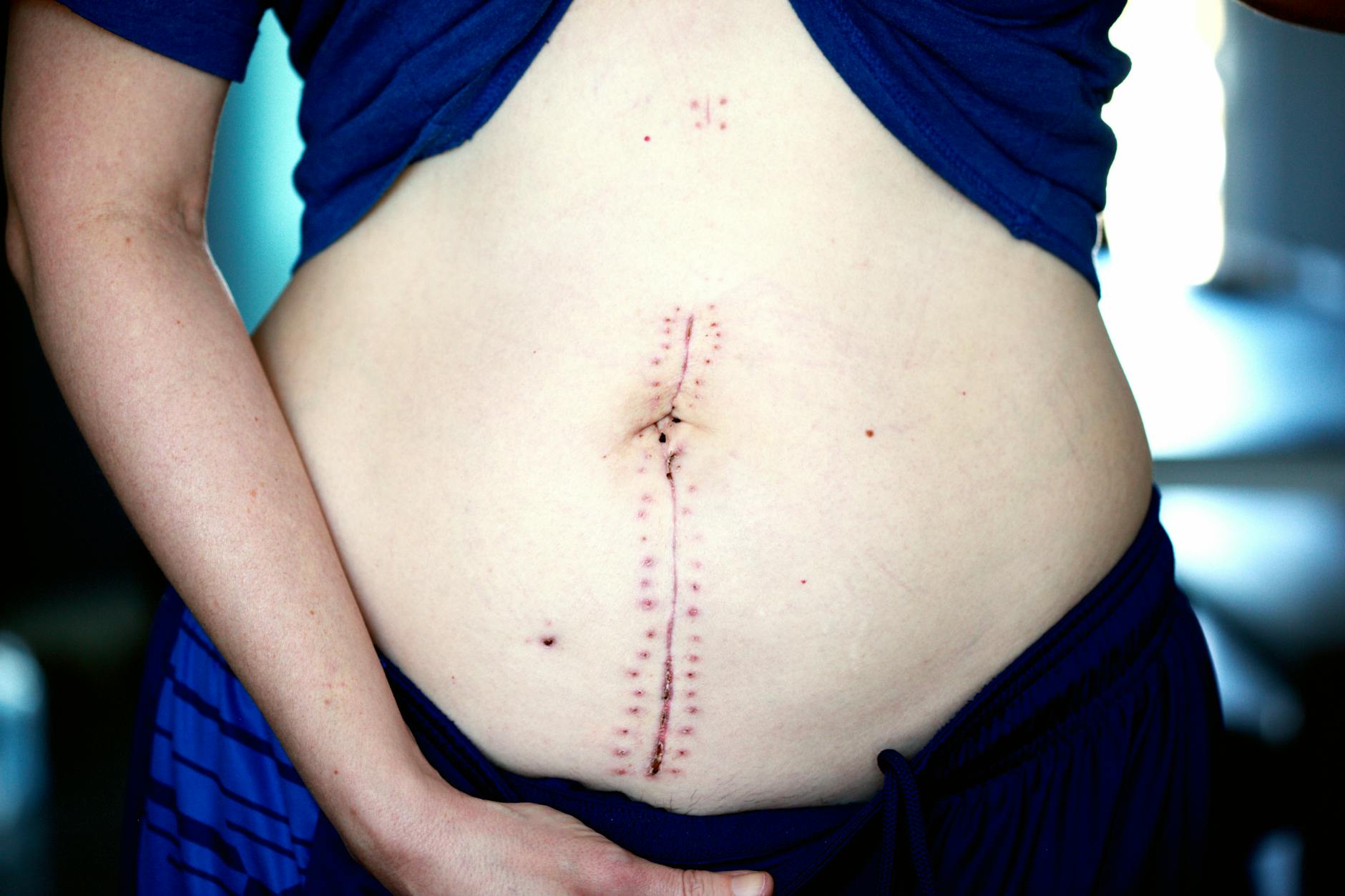
Understanding Your Colostomy Output: A Guide for Patients Living with a colostomy can bring many questions, and one of the most common concerns is about the output from the stoma. The amount and consistency of stool that passes through your colostomy bag can vary, and understanding what's considered normal is crucial for managing your health and well-being. This guide aims to provide clear, practical information for Indian readers on what to expect from your colostomy output, what might be considered high or low, and when to seek medical advice. What is Colostomy Output? A colostomy is a surgical procedure that creates an opening (stoma) in the abdomen to divert waste from a diseased or damaged part of the colon. The waste then collects in a pouch or bag attached to the stoma. The output from the stoma is essentially your stool, and its characteristics can change based on various factors. What is Considered Normal Colostomy Output? Defining 'normal' colostomy output can be a bit nuanced, as it can vary significantly from person to person. However, healthcare professionals often provide general ranges. Some experts suggest that a typical daily output can range from 200 to 900 milliliters (mL) , which is roughly 1 to 4 cups . Others may indicate an average of around 500 mL (about 2 cups) per day. It's important to remember that these are guidelines, and your individual 'normal' might fall slightly outside these ranges. Initial Post-Surgery Output: Immediately after surgery, it's typical not to have any stoma output for the first 2–3 days. Your digestive system needs time to recover and start functioning again. During this initial period, you might pass gas without any stool, which is a positive sign that your bowels are waking up. The first stools you experience will likely be very loose and watery. This is perfectly normal and not a cause for concern. As your bowels begin to work more regularly, the consistency of your stool will gradually become thicker and firmer. Consistency of Stool: The consistency of your colostomy output is influenced by several factors, including the location of the stoma on your colon. High Stoma Location (closer to the beginning of the colon): Output may be more liquid. Low Stoma Location (closer to the end of the colon): The colon has more time to absorb water, leading to firmer, more formed stools. Many people with colostomies find their stool consistency to be semi-formed or pasty. This is often considered normal for a well-functioning stoma. What is High Colostomy Output? High stoma output is generally defined as producing more than 1.5 to 2 liters (1500-2000 mL) of output per day . This type of output is typically watery in consistency. Consistently high output can pose risks such as: Dehydration: Losing too much fluid can lead to dehydration. Malnourishment: Significant fluid and electrolyte loss can affect nutrient absorption. Electrolyte Imbalance: Particularly magnesium depletion can occur. Appliance Leaks: High volume can overwhelm your ostomy pouch, leading to leaks and discomfort. Causes of High Output: Diet: Consuming large amounts of fluids or certain foods that are not well absorbed can increase output. Medications: Some medications can have a laxative effect. Infections: Gastrointestinal infections can cause watery diarrhea. Short Bowel Syndrome: If a significant portion of the colon was removed, the body may have less surface area to absorb water. Managing High Output: If you are experiencing consistently high output, it's important to consult your doctor. However, some dietary adjustments can help thicken your stool and reduce output: Increase intake of binding foods: Foods like bananas, rice, applesauce, and toast (BRAT diet) can help. Consume starchy foods: Potatoes, pasta, oatmeal, and crackers can absorb excess fluid. Include soluble fiber: Foods like psyllium husk (in moderation) can help. Limit high-fluid foods: Be mindful of excessive intake of juices, soups, and watery fruits/vegetables. Stay hydrated: While managing output, it's still crucial to drink enough fluids, possibly with added electrolytes, as advised by your doctor. What is Low Colostomy Output? Low colostomy output is typically considered to be less than 200 mL (less than 1 cup) per day . In some cases, there might be no output at all for a period. Causes of Low Output: Constipation: This is a common cause, where stool becomes hard and difficult to pass. Bowel Obstruction: A blockage in the intestines can completely stop or severely reduce output. This is a serious condition that requires immediate medical attention. Dehydration: If you are not drinking enough fluids, your body will conserve water, leading to less output. Medications: Certain medications can slow down bowel movements. When is Low Output a Concern? While occasional periods of low output or no output (especially in the first few days post-surgery) are normal, a consistently low output for more than 12–24 hours, particularly if accompanied by other symptoms, warrants medical attention. When to Consult a Doctor Immediately It is crucial to seek immediate medical help if you experience any of the following: No stoma output for 4 hours or longer, accompanied by abdominal pain, cramps, or nausea. Sudden cessation of stoma output, especially if you also have symptoms like stomach pain, cramps, or nausea, which could indicate an intestinal obstruction. Clear, watery output that lasts for 4 hours or longer, which may also indicate a blockage. Low or no stoma output for more than 12–24 hours, especially if you have abdominal pain. Signs of dehydration: Such as
In summary, timely diagnosis, evidence-based treatment, and prevention-focused care improve long-term health outcomes.