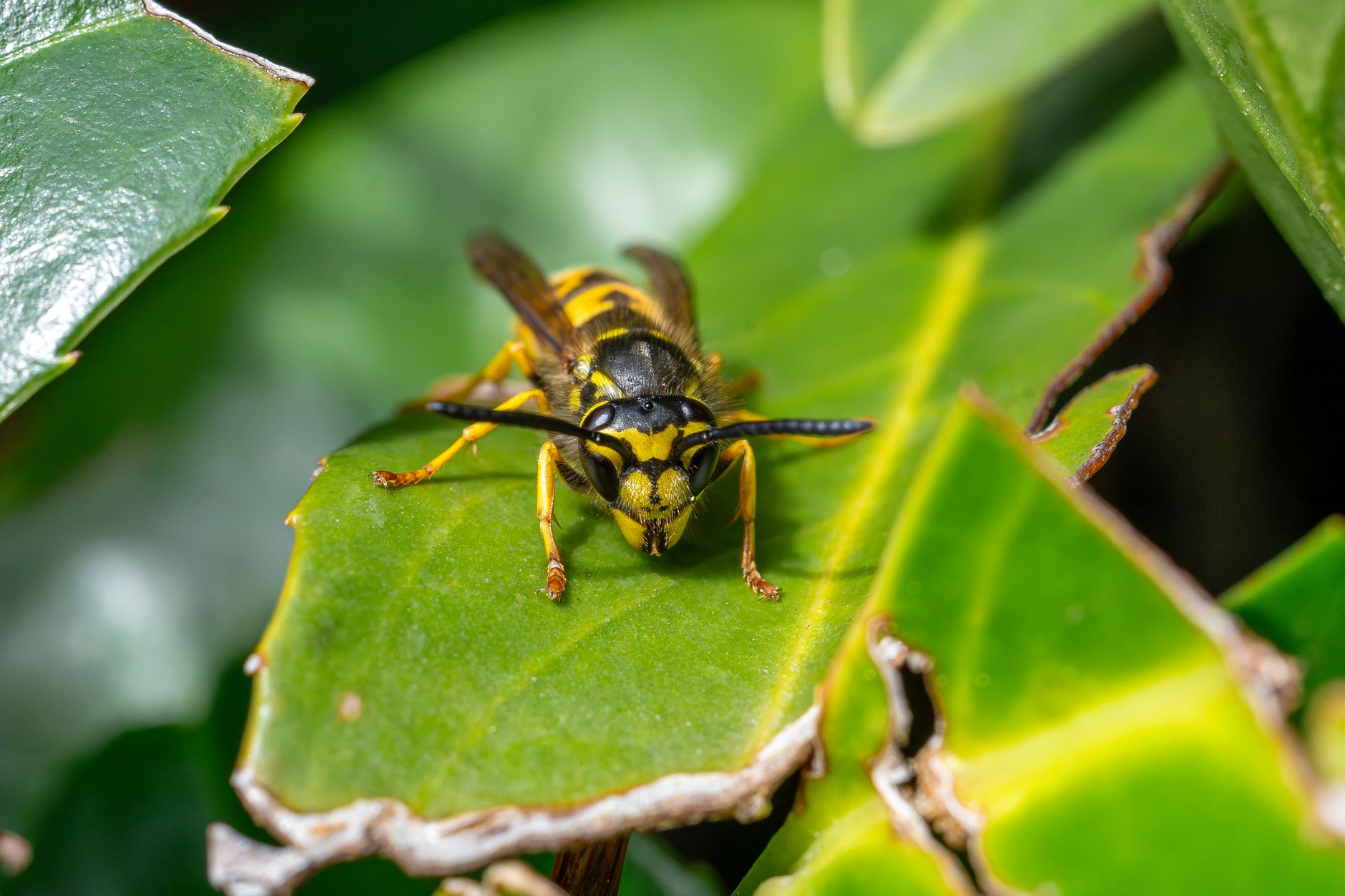
Understanding Wasp Stings: A Comprehensive Guide for Indian Readers
Wasp stings are a common nuisance, especially during warmer months in India. While most stings result in localized pain and swelling, some can trigger severe allergic reactions. This guide provides a detailed look at wasp stings, covering symptoms, causes, diagnosis, treatment, and crucial prevention strategies tailored for the Indian context.
What is a Wasp Sting?
Wasps are flying insects belonging to the order Hymenoptera. Unlike bees, most wasps can sting multiple times. When a wasp stings, it injects venom through its stinger, which is a modified ovipositor. This venom contains proteins and enzymes that can cause pain, inflammation, and itching at the sting site. The severity of the reaction depends on the individual's sensitivity to the venom and the number of stings.
Symptoms of a Wasp Sting
Symptoms can range from mild to severe. It's important to recognize these signs to provide appropriate care.
Mild Reactions (Most Common):
- Immediate, sharp burning pain at the sting site.
- Redness and swelling around the affected area.
- Itching and a raised bump or welt.
- The pain and swelling typically peak within a few hours and subside over a couple of days.
Moderate Reactions:
- More extensive swelling that spreads beyond the immediate sting site. For example, a sting on the hand might cause swelling of the entire arm.
- Increased redness and pain.
- These reactions usually resolve within 5 to 10 days.
Severe Allergic Reactions (Anaphylaxis):
Anaphylaxis is a life-threatening allergic reaction that requires immediate medical attention. Symptoms can develop rapidly and include:
- Difficulty breathing or wheezing.
- Swelling of the face, lips, tongue, or throat.
- Hives or rash spreading across the body.
- Dizziness or fainting.
- Nausea, vomiting, or diarrhea.
- Rapid heartbeat.
- A feeling of impending doom.
Anaphylaxis is a medical emergency. If you suspect someone is experiencing anaphylaxis, call for emergency medical help immediately (e.g., dial 108 or 112 in India).
Causes of Wasp Stings
Wasps typically sting in self-defense when they feel threatened or when their nests are disturbed. Common scenarios include:
- Accidentally stepping on or disturbing a wasp nest, often found in gardens, eaves, or underground.
- Swatting at a wasp that has landed on you or your food.
- Getting too close to a wasp nest.
- Certain species of wasps are more aggressive than others.
Diagnosis of Wasp Stings
Diagnosis is usually straightforward and based on the circumstances and the appearance of the sting site. A doctor will typically:
- Ask about the incident: Did you see a wasp? Were you near a nest?
- Examine the sting site for redness, swelling, and the presence of a stinger (though wasps usually don't leave their stingers behind like bees do).
- Assess the severity of the reaction.
For severe reactions or if there's a history of allergies, further tests like skin prick tests or blood tests may be recommended to confirm specific allergies to wasp venom.
Treatment for Wasp Stings
Treatment depends on the severity of the reaction.
Home Treatment for Mild Reactions:
- Remove the Stinger (if present): While wasps usually don't leave stingers, if one is visible, gently scrape it out with a fingernail or a credit card. Do not squeeze it, as this can inject more venom.
- Wash the Area: Clean the sting site thoroughly with soap and water.
- Apply a Cold Compress: Use an ice pack or a cold cloth to reduce swelling and pain. Apply for 10-20 minutes at a time.
- Pain Relief: Over-the-counter pain relievers like paracetamol (acetaminophen) or ibuprofen can help manage pain.
- Itch Relief: Antihistamine creams or lotions (like calamine lotion) can soothe itching. Oral antihistamines (e.g., cetirizine, diphenhydramine) can also be effective.
- Avoid Scratching: Scratching can increase the risk of infection.
Medical Treatment for Moderate to Severe Reactions:
- Emergency Care for Anaphylaxis: If anaphylaxis is suspected, administer an epinephrine auto-injector (EpiPen) if available and call for immediate medical help. Hospital treatment will involve oxygen, intravenous fluids, and medications like epinephrine, corticosteroids, and antihistamines.
- For Moderate Reactions: A doctor might prescribe stronger oral corticosteroids to reduce inflammation and swelling, or more potent antihistamines.
- Allergy Shots (Immunotherapy): For individuals with severe allergies, a series of allergy shots may be recommended to desensitize them to wasp venom over time.
Prevention Strategies in India
Preventing wasp stings is key to avoiding discomfort and potential danger. Here are some practical tips:
- Be Aware of Your Surroundings: Pay attention when outdoors, especially in gardens, parks, and near garbage bins where wasps are often found.
- Avoid Disturbing Nests: If you find a wasp nest, do not approach or disturb it. Contact pest control services for safe removal. Nests are often found in quiet, undisturbed areas.
- Secure Food and Drinks: Keep food and sugary drinks covered when outdoors, as wasps are attracted to sweet substances. Avoid leaving food scraps unattended.
- Wear Protective Clothing: When working in the garden or areas where wasps are common, wear long sleeves, trousers, socks, and closed shoes. Light-colored clothing is generally less attractive to wasps than dark colors.
- Avoid Strong Perfumes and Scents: Floral perfumes, colognes, and even scented hairsprays can attract wasps.
- Stay Calm: If a wasp approaches you, remain calm and move away slowly. Swatting or running can provoke it to sting.
- Seal Entry Points: Ensure windows and doors in your home have screens and are properly sealed to prevent wasps from entering.
When to Consult a Doctor
It is crucial to seek medical advice in the following situations:
- Signs of a Severe Allergic Reaction: Any symptom of anaphylaxis requires immediate emergency medical attention.
- Extensive Swelling: If swelling is widespread or affects the face, neck, or throat.
- Signs of Infection: Increased redness, warmth, pus, or fever developing at the sting site several days after the sting.
- Multiple Stings: Being stung by numerous wasps can be dangerous, even for those not allergic, due to the large amount of venom injected.
- History of Allergic Reactions: If you have a known allergy to insect stings or have had a previous severe reaction.
- Stings Inside the Mouth or Throat: Swelling in these areas can obstruct the airway.
Conclusion
Wasp stings are a common concern in India, but understanding the symptoms, knowing how to treat them, and taking preventive measures can significantly reduce the risk and impact. While most stings are minor, vigilance for severe allergic reactions is paramount. Always prioritize safety and seek medical help when necessary.
Additional Medical Guidance
This section adds practical context and preventive advice to help readers make informed healthcare decisions. It is important to verify symptoms early, consult qualified doctors, and avoid self-medication for persistent health issues.
Maintaining healthy routines, following prescribed treatment plans, and attending regular checkups can improve outcomes. If symptoms worsen or red-flag signs appear, immediate medical evaluation is recommended.
Quick Checklist
Track symptoms and duration.
Follow diagnosis and treatment from a licensed practitioner.
Review medication side effects with your doctor.
Seek urgent care for severe warning signs.