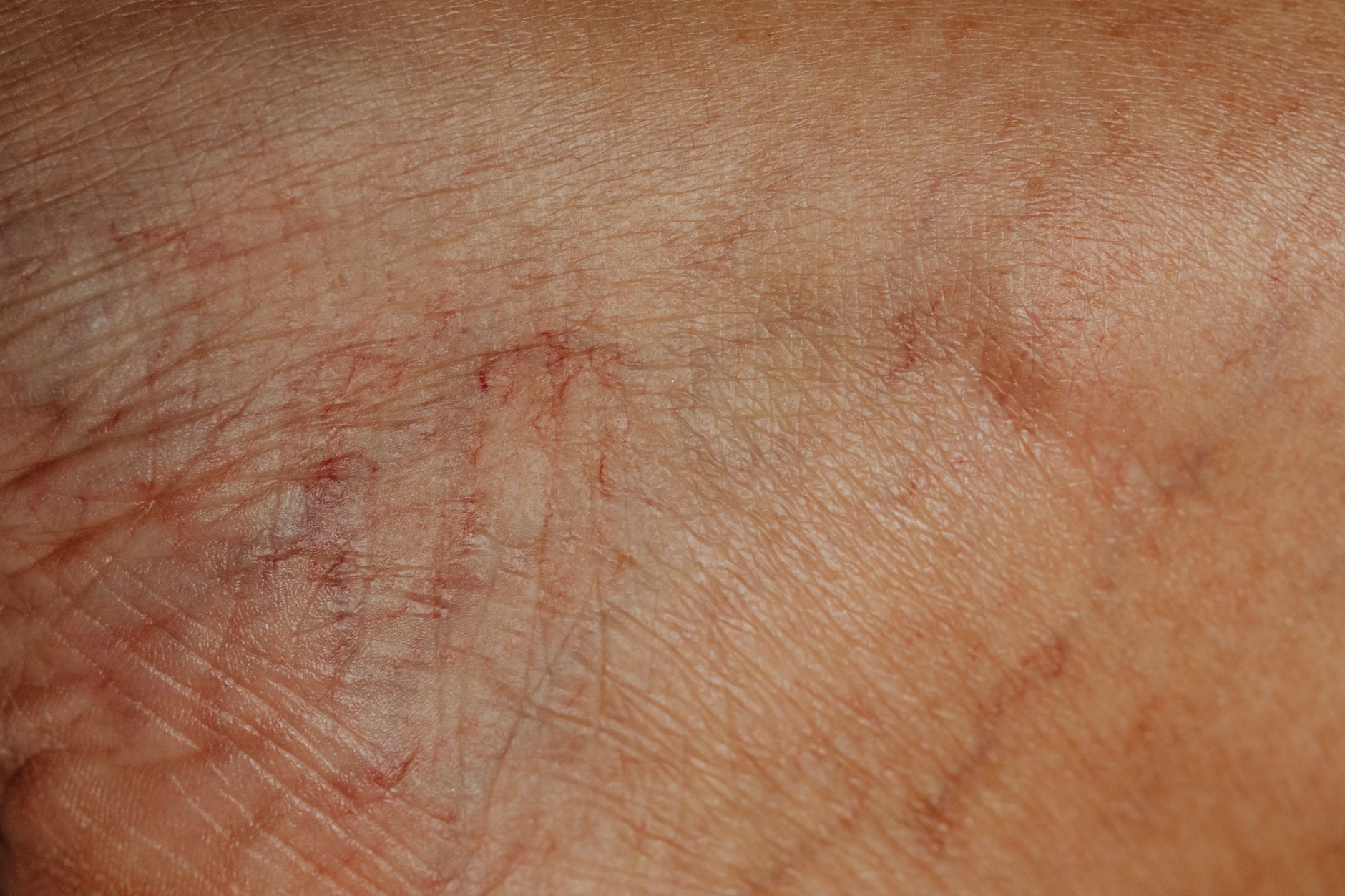
Have you ever looked at your arms or legs and noticed those blue or green lines snaking just beneath the surface of your skin? It's a common sight for many, and often sparks a question: why do veins look green or blue instead of red, especially when we know blood is red? Let's unravel this fascinating aspect of our circulatory system and understand what makes our veins appear in these colors.
The Science Behind the Color: Light, Skin, and WavelengthsIt’s a question that has puzzled many: if the blood flowing through our veins is a deep, rich red, why do the veins themselves often appear blue or green to the naked eye? The answer lies not in the blood itself, but in a complex interplay between light, our skin, and the physical properties of light waves.
Think about how we see color. Objects appear to have a certain color because they absorb some wavelengths of light and reflect others. The light that reaches our eyes is the reflected light. The visible light spectrum, as we learned in school, ranges from red to violet: red, orange, yellow, green, blue, and violet. Red light has the longest wavelength and the least energy, while violet light has the shortest wavelength and the most energy.
So, what happens when light hits our skin? When light strikes your skin, some wavelengths are absorbed by the skin tissues, and others are reflected. The veins, being located beneath the skin’s surface, interact with this light before it reaches our eyes. Here’s where it gets interesting: the deeper the blood vessel, the more light is absorbed before it can be reflected back. Superficial veins, those closer to the surface, are more likely to have their color influenced by how light interacts with the skin above them.
The Role of Wavelengths and Skin PigmentationVeins often appear green or blue because of how our skin scatters and absorbs light. Red light, with its longer wavelength, tends to be scattered more easily by the skin and underlying tissues. Green and blue light, with their shorter wavelengths, penetrate deeper but are also reflected differently. When light enters the skin, the red wavelengths are absorbed more readily by the blood and tissues, while the shorter blue and green wavelengths are scattered back towards the surface and reach our eyes. This selective absorption and scattering by the skin and the blood within the veins create the optical illusion that makes veins appear blue or green.
Furthermore, skin pigmentation plays a significant role. People with lighter skin tones, which have less melanin (the pigment responsible for skin color), often have veins that appear more distinctly blue or green. Melanin absorbs light, including some of the blue and green wavelengths. Therefore, in individuals with darker skin, the veins might be less visible or appear less distinctly colored because more light is absorbed by the increased pigmentation.
Understanding Different Types of VeinsIt’s important to know that not all veins are created equal, and understanding the different types can help explain their visibility. We primarily talk about three types of veins:
- Superficial Veins: These are the veins located just beneath the skin’s surface. They are the ones we can typically see and are responsible for the
Additional Medical Guidance
This section adds practical context and preventive advice to help readers make informed healthcare decisions. It is important to verify symptoms early, consult qualified doctors, and avoid self-medication for persistent health issues.
Maintaining healthy routines, following prescribed treatment plans, and attending regular checkups can improve outcomes. If symptoms worsen or red-flag signs appear, immediate medical evaluation is recommended.
Quick Checklist
Track symptoms and duration.
Follow diagnosis and treatment from a licensed practitioner.
Review medication side effects with your doctor.
Seek urgent care for severe warning signs.