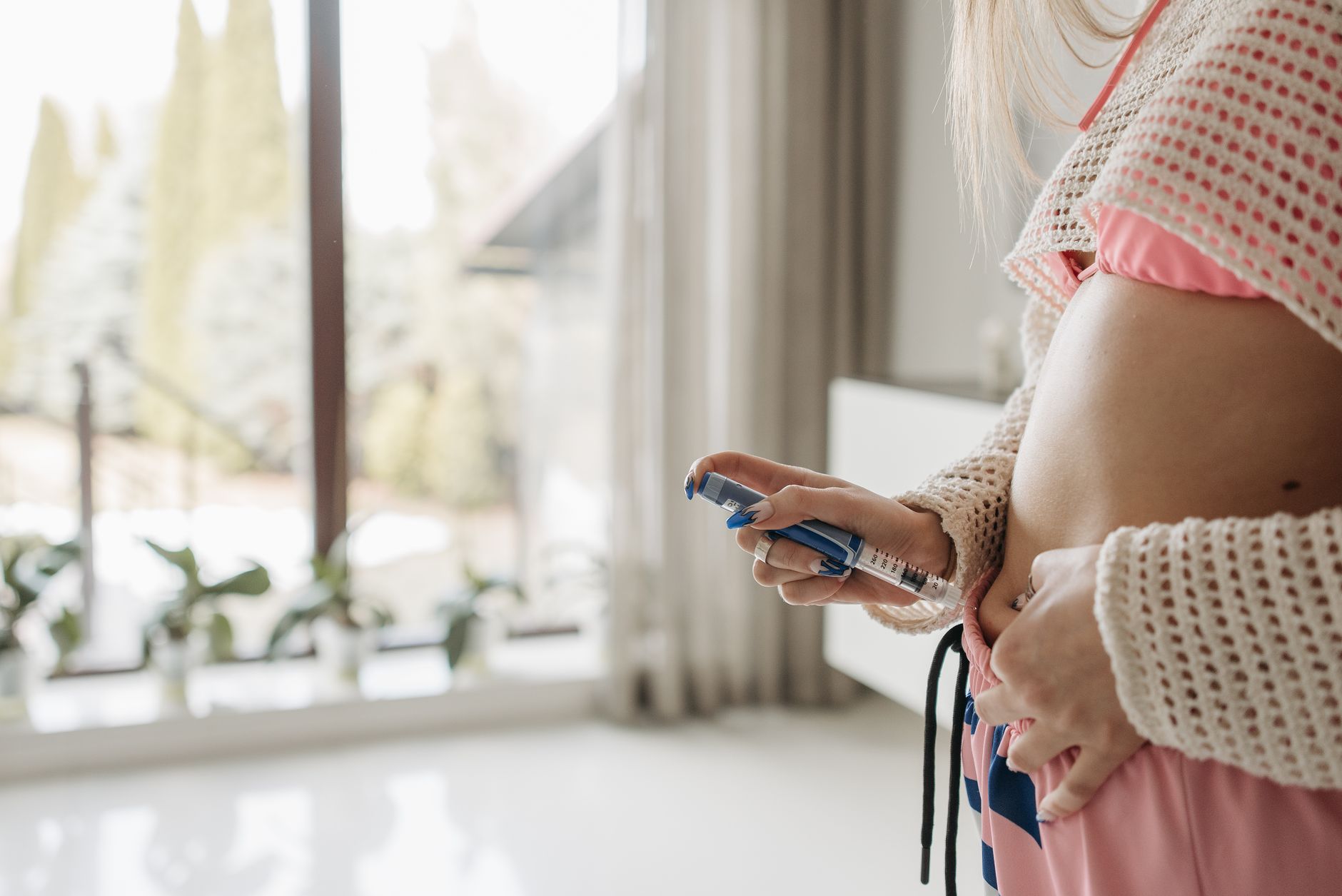
The Flu Shot: A Crucial Defence for Individuals with Diabetes
When the weather turns chilly and coughs and sneezes become common, it signals the arrival of flu season. For individuals living with diabetes, this time of year often brings a strong recommendation to get vaccinated against the influenza virus. But why is the flu shot so critically important for people with diabetes (PWDs)? This article delves into the reasons, the optimal timing for vaccination, and the potential effects on blood sugar management.
Understanding the Increased Risk for PWDs
People with diabetes, whether Type 1, Type 2, LADA, or gestational diabetes during pregnancy, face a significantly higher risk of developing severe complications from any infection, including the flu. This heightened vulnerability is a key reason why health organizations worldwide, including the Centers for Disease Control and Prevention (CDC) and the American Diabetes Association (ADA), strongly recommend annual flu vaccinations for all individuals with diabetes and their close contacts.
The Flu Virus: A Persistent Threat
Influenza, commonly known as the flu, is a highly contagious respiratory illness caused by a family of rapidly evolving influenza viruses. Unlike bacterial infections that can often be treated effectively with antibiotics, viral infections like the flu have more limited treatment options. Antiviral medications can help shorten the duration of the illness and reduce the risk of serious complications if started within 48 hours of symptom onset, but they are not a substitute for prevention.
Why Annual Vaccination is Necessary
The influenza virus is a master of change, with different strains circulating each year. This constant evolution means that last year's flu shot may not provide adequate protection against the current season's dominant strains. Therefore, an annual vaccination is essential to ensure up-to-date protection against the most prevalent influenza viruses.
Impact of Flu on Diabetes Management
Getting the flu can make managing blood sugars considerably more challenging for individuals with diabetes. Infections, in general, can cause fluctuations in blood glucose levels, often leading to hyperglycemia (high blood sugar). This makes it harder to maintain stable glucose control, increasing the risk of both short-term complications like diabetic ketoacidosis (DKA) and long-term damage to nerves, blood vessels, eyes, and kidneys.
When to Get Your Flu Shot
The CDC recommends getting vaccinated before the flu begins to spread widely in your community. This is because it takes approximately two weeks after receiving the flu shot for the body to develop full immunity. For children who require two doses of the vaccine, the first dose should be administered even earlier, as the doses must be given at least four weeks apart.
Flu Shot and Blood Sugar Levels
While the flu shot is designed to protect against the flu, some individuals might experience mild, temporary side effects, such as soreness at the injection site or a low-grade fever. These reactions are generally mild and do not typically cause significant or lasting changes in blood sugar levels. It is important to monitor your blood glucose levels as usual after vaccination and consult your doctor if you have any concerns.
When to Consult a Doctor
It is crucial for individuals with diabetes to consult their healthcare provider about getting the flu shot. Your doctor can provide personalized advice based on your health status, discuss any potential contraindications, and administer the vaccine. Additionally, if you develop flu-like symptoms, seek medical attention promptly. Early diagnosis and treatment with antiviral medications can significantly improve outcomes and reduce the risk of severe complications.
Prevention is Key
Beyond vaccination, practicing good hygiene is paramount in preventing the spread of the flu. This includes frequent handwashing with soap and water, avoiding close contact with sick individuals, and covering your mouth and nose when coughing or sneezing. These simple measures, combined with annual vaccination, offer the best defence against influenza for people with diabetes.
Frequently Asked Questions (FAQ)
Q1: Do all people with diabetes need a flu shot?
Yes. Both the CDC and the ADA recommend annual flu shots for all individuals with diabetes (Type 1, Type 2, LADA, gestational diabetes) and their household members.
Q2: Can the flu shot cause diabetes?
No. The flu shot cannot cause diabetes. It contains inactivated or weakened virus particles, or just a single protein from the virus, which cannot cause the flu or diabetes.
Q3: Will the flu shot affect my blood sugar levels?
Generally, no. While some people may experience mild, temporary side effects, the flu shot typically does not cause significant or lasting changes in blood sugar levels. It's always advisable to monitor your glucose levels as usual.
Q4: What if I get the flu even after getting the flu shot?
The flu shot significantly reduces the risk of getting the flu and its complications. However, it is not 100% effective. If you do get the flu, prompt medical attention and antiviral medication can help manage the illness and prevent severe outcomes.
Q5: When is the best time to get the flu shot?
The best time is before flu activity begins in your community, typically in the early fall, to allow your body two weeks to build immunity.
Additional Medical Guidance
This section adds practical context and preventive advice to help readers make informed healthcare decisions. It is important to verify symptoms early, consult qualified doctors, and avoid self-medication for persistent health issues.
Maintaining healthy routines, following prescribed treatment plans, and attending regular checkups can improve outcomes. If symptoms worsen or red-flag signs appear, immediate medical evaluation is recommended.
Quick Checklist
Track symptoms and duration.
Follow diagnosis and treatment from a licensed practitioner.
Review medication side effects with your doctor.
Seek urgent care for severe warning signs.