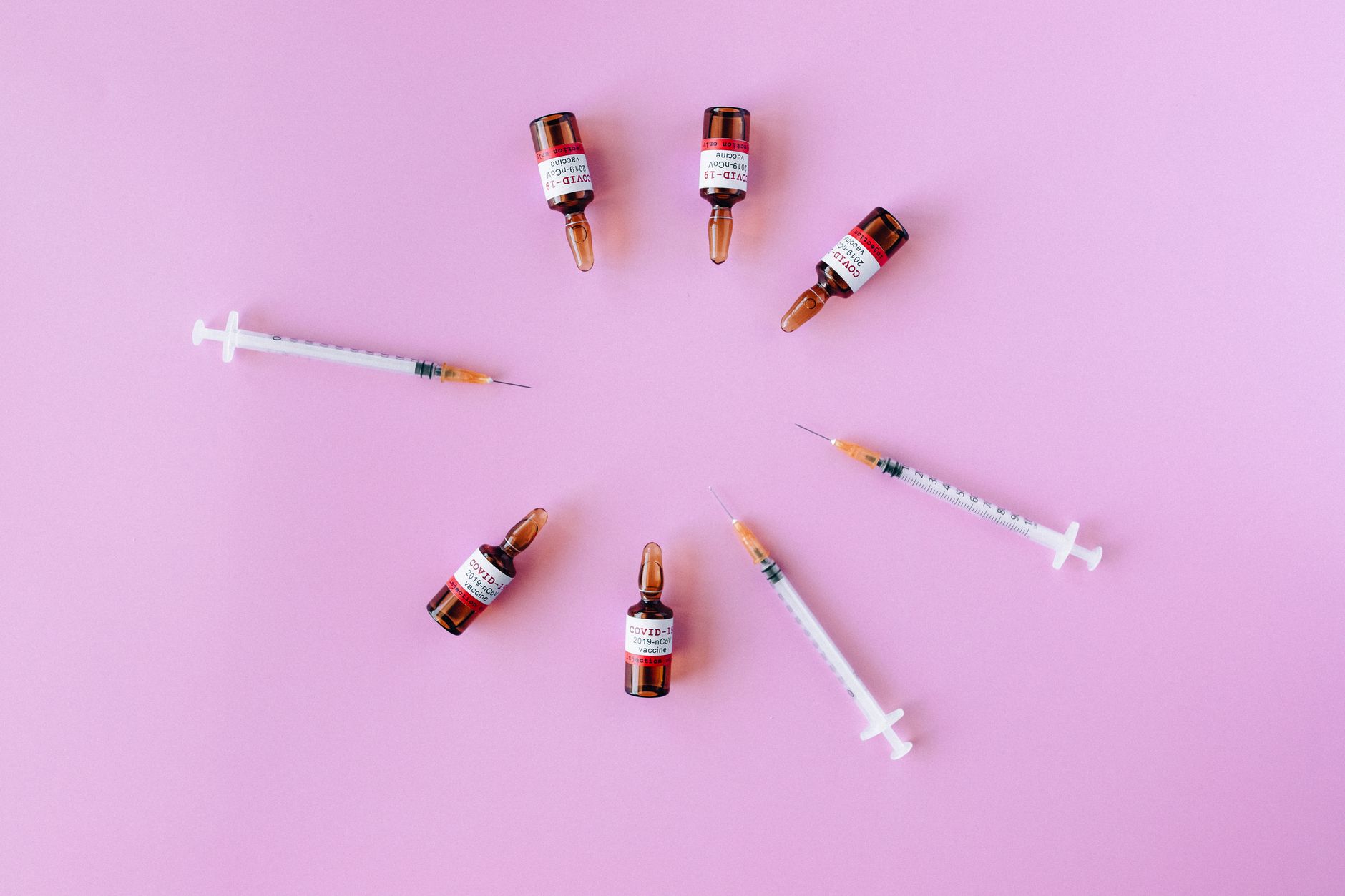
The COVID-19 pandemic has significantly impacted our lives, and vaccination has emerged as a cornerstone of our defense against this virus. You might have heard about the importance of getting two doses of certain vaccines, like those from Pfizer-BioNTech and Moderna. But why exactly are two doses recommended? It's not just a arbitrary number; it's rooted in solid scientific principles that ensure our bodies build robust and lasting protection. Let's break down the science in a way that's easy to understand, addressing common questions and concerns for our readers in India and around the world.
The Immune System's Two-Step Dance with Vaccines
Think of your immune system as a highly trained army. When a foreign invader, like a virus, enters your body, your army needs to recognize it, learn how to fight it, and remember it for future encounters. Vaccines are like training exercises for this army. They introduce a harmless piece of the virus (or instructions to make that piece) to your immune system, triggering a response without causing illness.
First Dose: The Initial Training Session
The first dose of a COVID-19 vaccine serves as the initial introduction. It shows your immune system a specific part of the SARS-CoV-2 virus, typically the spike protein. Your immune cells, such as B cells and T cells, begin to recognize this spike protein as foreign. B cells start producing antibodies, which are like specialized missiles designed to neutralize the virus. T cells, on the other hand, help coordinate the immune response and can directly kill infected cells.
However, after this first exposure, your immune system's response is usually moderate. It's like giving your army a brief overview of the enemy. They know who they're up against, but they haven't fully developed the advanced strategies and weaponry needed for a decisive victory.
The Waiting Period: Letting the Memory Build
There's a recommended interval between the first and second doses – typically a few weeks. This waiting period is not idle time; it's crucial for your immune system to develop immunological memory. During this phase, your B cells mature into plasma cells, which are antibody factories, and memory B cells are formed. These memory cells are like experienced soldiers who remember the enemy's tactics and can mount a faster and stronger response if they encounter the virus again.
Second Dose: The Advanced Training and Reinforcement
The second dose acts as a powerful booster. When it's administered, your immune system, which already has a memory of the spike protein from the first dose, mounts a much more vigorous and rapid response. This is often referred to as a secondary immune response.
Here's what happens:
- Higher Antibody Levels: Your body produces significantly more antibodies than after the first dose. These antibodies are more effective at binding to and neutralizing the virus, preventing it from entering your cells and causing infection.
- Stronger Cellular Immunity: The number and activity of memory T cells also increase, enhancing your body's ability to clear infected cells and regulate the immune response.
- Longer-Lasting Protection: This intensified response leads to more durable immunity. The memory cells generated are more robust and persist for a longer duration, offering better protection against future infections or severe illness.
Imagine our army again. The first dose was the basic training. The second dose is the advanced combat simulation, followed by deployment of seasoned veterans. They are now much better equipped to handle a real invasion.
What About Booster Doses?
As time passes, even robust immunity can wane. This is a natural process for many infections and vaccinations. Booster doses are recommended to 'remind' the immune system about the virus and to further enhance protection, especially against new variants that might have mutations in the spike protein.
Booster shots work on the same principle as the second dose: they stimulate the immune system to produce more antibodies and strengthen memory cell responses, ensuring your defenses remain high.
Real-Life Scenario: Priya's Vaccination Journey
Priya, a 35-year-old teacher in Mumbai, initially felt a bit tired after her first COVID-19 vaccine dose. She wondered if it was enough. Her doctor explained that the first dose was teaching her body to recognize the virus. A few weeks later, she received her second dose. This time, she felt a bit more fatigue for a day, but her doctor reassured her that this was a sign her immune system was building a strong defense. Priya felt more confident knowing she had significantly better protection against severe illness.
Understanding Different Vaccine Technologies
It's important to note that different types of COVID-19 vaccines (mRNA, viral vector, inactivated virus) work through slightly different mechanisms, but the principle of needing a primary series (often two doses for mRNA and viral vector vaccines) to establish adequate immunity remains consistent. mRNA vaccines (like Pfizer and Moderna) instruct your cells to make a piece of the spike protein, while viral vector vaccines use a modified harmless virus to deliver these instructions. Inactivated virus vaccines use a killed version of the virus.
Symptoms After Vaccination: What to Expect
Experiencing mild side effects after vaccination is common and usually a sign that your immune system is responding. These can include:
- Pain, redness, or swelling at the injection site
- Fever
- Chills
- Fatigue
- Headache
- Muscle aches
These symptoms typically appear within a day or two of vaccination and resolve on their own within a few days. Over-the-counter pain relievers like paracetamol can help manage discomfort. However, severe or persistent side effects should always be reported to a healthcare provider.
When to Consult a Doctor
While most vaccine side effects are mild and temporary, it's important to seek medical attention if you experience any of the following:
- Severe allergic reaction (anaphylaxis) with symptoms like difficulty breathing, swelling of the face and throat, rapid heartbeat, dizziness, or a rash. This is rare but requires immediate medical care.
- Symptoms that are worrying you or do not seem to be improving after a few days.
- Any new or unusual symptoms that concern you.
Your doctor can assess your situation and provide appropriate guidance.
The Bigger Picture: Community Protection
Achieving high vaccination rates, including completing the primary series of two doses, is not just about individual protection. It's also about community protection, often referred to as herd immunity. When a large percentage of the population is immune, it becomes much harder for the virus to spread, protecting those who cannot be vaccinated or for whom the vaccine is less effective.
Frequently Asked Questions (FAQs)
- Can I get COVID-19 from the vaccine? No, the COVID-19 vaccines do not contain the live virus that causes COVID-19, so they cannot give you the disease.
- Is it safe to get the second dose if I had side effects from the first? Yes, it is generally safe. Mild to moderate side effects from the first dose are expected and usually mean your immune system is responding well. If you had a severe reaction, consult your doctor before getting the second dose.
- What if I miss the appointment for my second dose? If you miss your second dose, get it as soon as possible. There isn't a strict cut-off, but it's best to get it at the recommended interval for optimal protection. Contact your nearest vaccination centre or healthcare provider for advice.
- Do the two doses protect against all COVID-19 variants? The vaccines remain highly effective at preventing severe illness, hospitalization, and death from COVID-19, including against variants. However, protection against infection or mild illness might be reduced for some variants, which is why booster doses are often recommended.
- Are there any long-term side effects of the COVID-19 vaccines? Serious long-term side effects are extremely rare. The safety monitoring systems in place have not identified any significant long-term risks associated with COVID-19 vaccines. The benefits of vaccination in preventing severe disease and death far outweigh the minimal risks.
Completing your COVID-19 vaccination series with both doses is a vital step in protecting yourself, your loved ones, and your community. It's a powerful tool that empowers your immune system to fight the virus effectively, allowing us to move towards a healthier future together.
What This Means In Daily Life
Most people do not notice early warning signs right away. That is common. A simple symptom diary, basic routine checks, and timely follow-up visits can prevent small problems from becoming serious.
If you are already on treatment, stay consistent with medicines and lifestyle advice. If your symptoms change, do not guess. Check with a qualified doctor and update your plan early.
Simple Action Plan
Write down symptoms, triggers, and timing for a few days.
Carry old prescriptions and test reports to your consultation.
Ask clearly about side effects, red-flag signs, and follow-up dates.
Seek urgent care for severe pain, breathing trouble, bleeding, fainting, or sudden worsening.