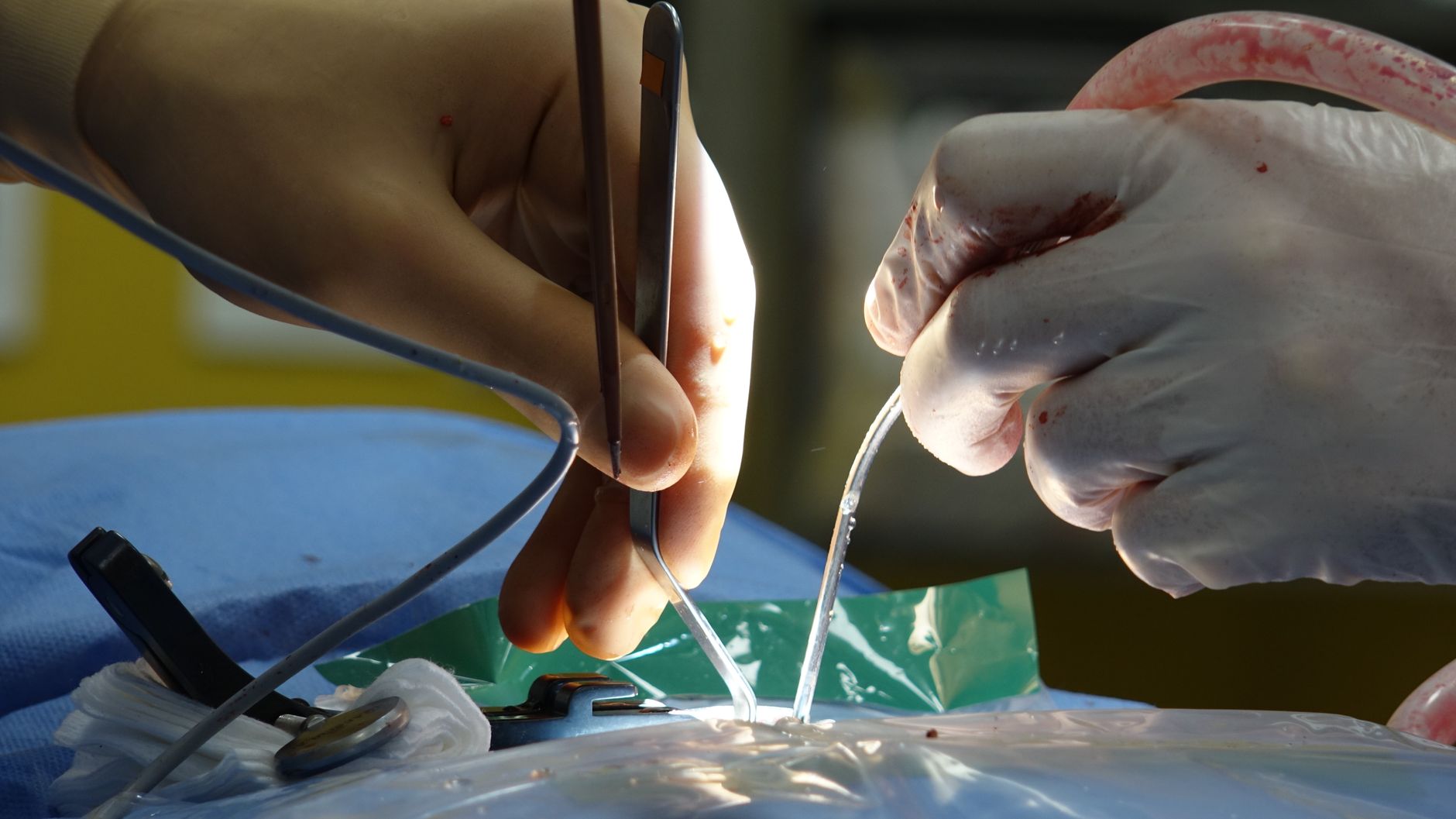
Understanding Wrist Surgery: A Comprehensive Guide Our wrists are complex marvels of engineering, enabling a vast range of motion essential for daily activities. From typing and writing to lifting and grasping, these intricate joints are constantly at work. However, this constant use can lead to wear and tear, injuries, or conditions that may eventually require surgical intervention. Wrist surgery is a common procedure aimed at restoring function, relieving pain, and correcting problems within the wrist joint. This guide delves into the intricacies of wrist surgery, covering common reasons for the procedure, diagnostic methods, surgical techniques, the recovery process, and crucial advice on when to seek medical attention. The Anatomy of the Wrist and Common Issues The wrist is a complex structure composed of eight small bones (carpals) arranged in two rows, along with the lower ends of the radius and ulna (the forearm bones). Numerous tendons, nerves, blood vessels, and muscles crisscross this area, facilitating movement and sensation in the hand and fingers. Due to its pivotal role and constant exposure to stress, various issues can arise, including: Arthritis: Both osteoarthritis (wear-and-tear) and rheumatoid arthritis (autoimmune) can affect the wrist joint, causing pain, stiffness, and reduced mobility. Fractures: Breaks in the wrist bones, often resulting from falls or direct trauma, require proper healing, which may involve surgery for complex fractures. Carpal Tunnel Syndrome: This condition occurs when the median nerve, which runs through the wrist, becomes compressed, leading to numbness, tingling, and pain in the hand and fingers. Tendon Injuries: Tears or inflammation of the tendons that control wrist and finger movement can cause pain and limit function. Ligament Tears: The ligaments that stabilize the wrist bones can be torn due to injury, leading to instability and pain. Ganglion Cysts: These non-cancerous lumps that form along tendons or joints in the wrist can sometimes cause pain or discomfort. Diagnosis: Pinpointing the Problem Before recommending surgery, a thorough diagnosis is crucial. Doctors, often orthopedic specialists or hand surgeons, will typically: Take a Medical History: Discussing your symptoms, their onset, and any previous injuries or conditions. Perform a Physical Examination: Assessing the range of motion, strength, and identifying areas of tenderness or swelling. Order Imaging Tests: X-rays: To visualize bones and detect fractures or signs of arthritis. MRI (Magnetic Resonance Imaging): Provides detailed images of soft tissues like tendons, ligaments, and nerves, helping to identify tears or inflammation. CT Scan (Computed Tomography): Offers cross-sectional views of the bones, useful for complex fractures. Nerve Conduction Studies (NCS) and Electromyography (EMG): To evaluate nerve function, particularly for suspected carpal tunnel syndrome. Wrist Arthroscopy: A Minimally Invasive Approach Wrist arthroscopy is a diagnostic and sometimes therapeutic procedure that uses a small camera (arthroscope) inserted through tiny incisions. This allows the surgeon to visualize the inside of the wrist joint, identify problems, and in some cases, perform repairs simultaneously. It offers several advantages, including smaller scars, reduced pain, and potentially faster recovery compared to open surgery. Arthroscopy is often used to diagnose conditions such as: Ligament tears Triangular fibrocartilage complex (TFCC) tears Early-stage arthritis Loose bodies within the joint When possible, repairs for issues like TFCC tears or certain ligament injuries can be performed arthroscopically, leading to less invasive treatment. Open Wrist Surgery: For More Complex Issues In cases where the condition is too complex for arthroscopy, or when extensive repair is needed, open surgery may be recommended. This involves a larger incision, providing the surgeon with direct access to the affected area. Common open wrist surgeries include: Fracture Repair: Stabilizing broken bones with plates, screws, or wires. Ligament Reconstruction: Repairing or replacing torn ligaments. Carpal Tunnel Release: Cutting the ligament that forms the roof of the carpal tunnel to relieve pressure on the median nerve. Arthritis Treatment: Procedures like wrist fusion (arthrodesis) to eliminate painful motion, or joint replacement with artificial implants. Cyst Removal: Excision of ganglion cysts or other benign growths. The choice of surgical technique and any implants (like artificial bones, rods, or screws) will be discussed by your surgeon based on your specific condition and overall health. The Surgical Procedure and Duration The duration of wrist surgery can vary significantly, typically ranging from 30 minutes to several hours. Factors influencing the length include: The complexity of the condition being treated. Whether the surgery is performed using an open or minimally invasive (arthroscopic) technique. The specific surgical procedures required. While the wrist is an accessible area, the density of important structures like nerves and tendons can make surgery intricate and time-consuming. Recovery After Wrist Surgery Recovery is a critical phase and varies greatly depending on the type of surgery performed. Immediately after surgery, you can expect: Pain and Swelling: These are common and usually managed with pain medications, elevation, and ice. Immobilization: A brace, splint, or cast is often used to protect the surgical site and promote healing. This immobilization period can last for several weeks, typically around 6 weeks, before you can begin to use your wrist more actively. Rehabilitation: Once the immobilization period is over, a structured physiotherapy or rehabilitation program is essential. This typically involves: Gentle Range of Motion Exercises: To gradually restore flexibility. Strengthening Exercises: To rebuild muscle strength and endurance. Functional Activities: Gradually reintroducing everyday tasks. Full recovery can take several months, and it's vital to follow your doctor's and therapist's instructions diligently to achieve the best possible outcome and minimize the risk of complications. When to Consult
In summary, timely diagnosis, evidence-based treatment, and prevention-focused care improve long-term health outcomes.